







How to choose and care for leather and suede boots
When choosing boots, it is often the shape that catches the eye first. Yet the material matters just as much, as it determines when they can be worn and how they should be cared for. This guide explores each material in turn: what it brings to your boots, the occasions it suits best and how to care for it, winter after winter.
Which material should you choose for boots ?
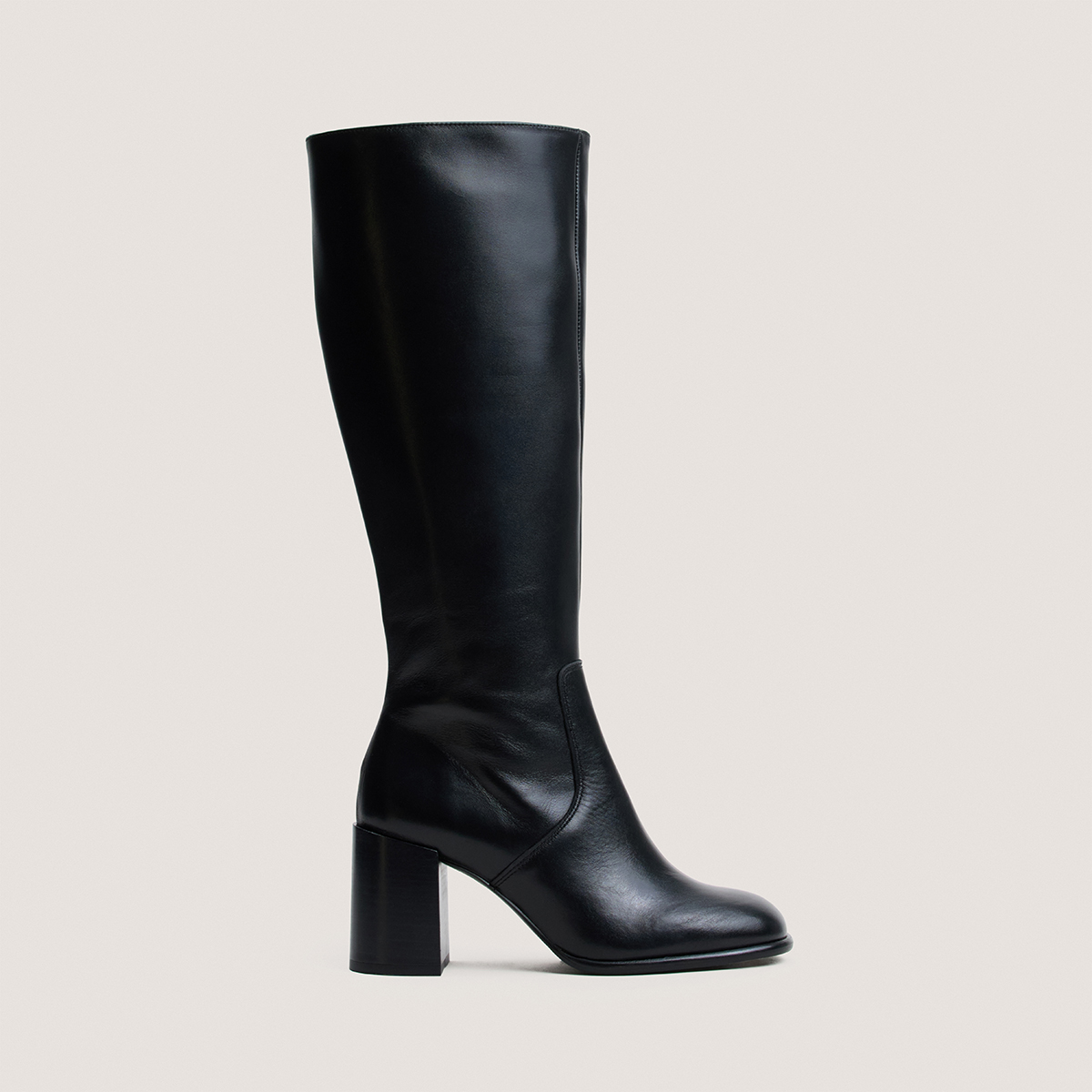
Leather boots
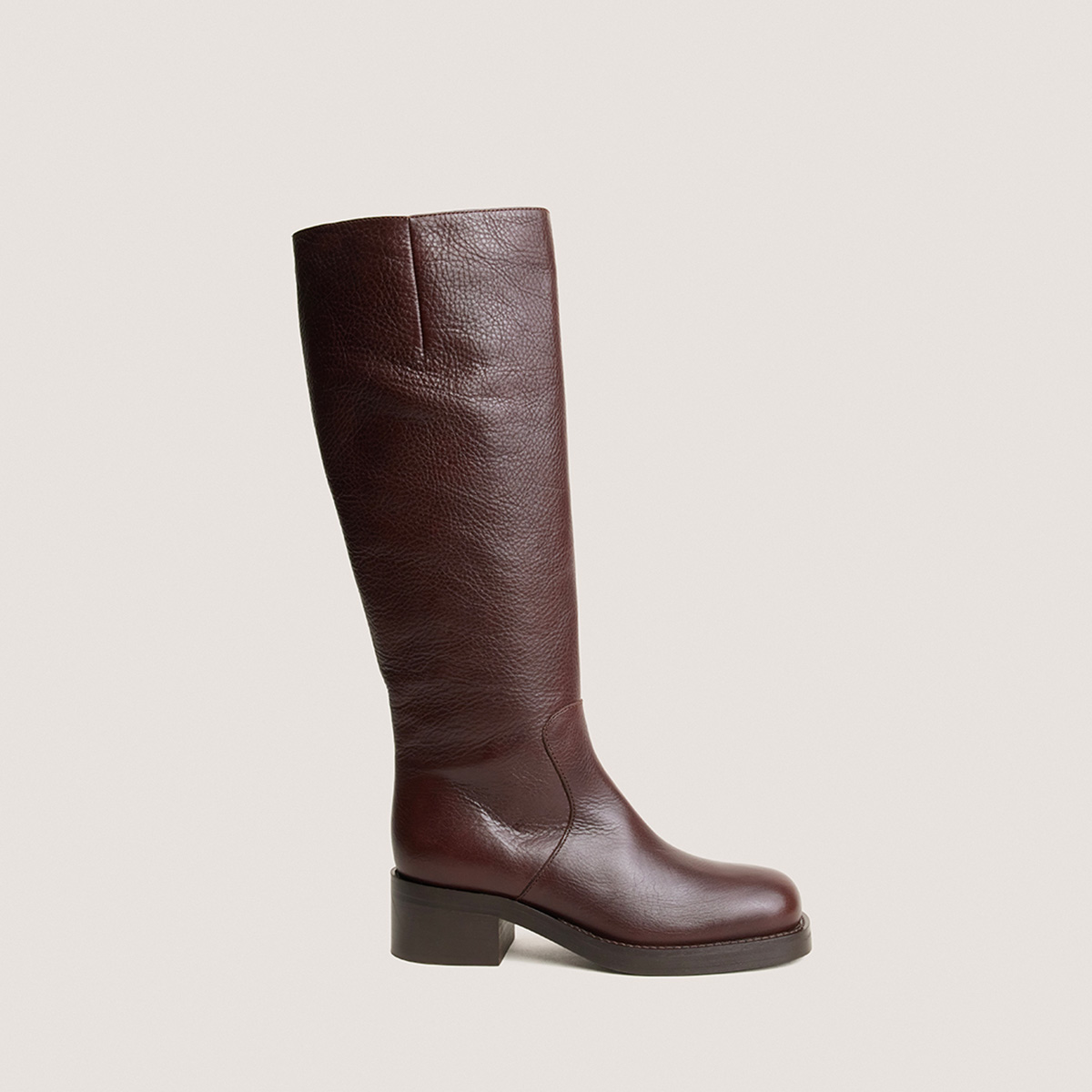
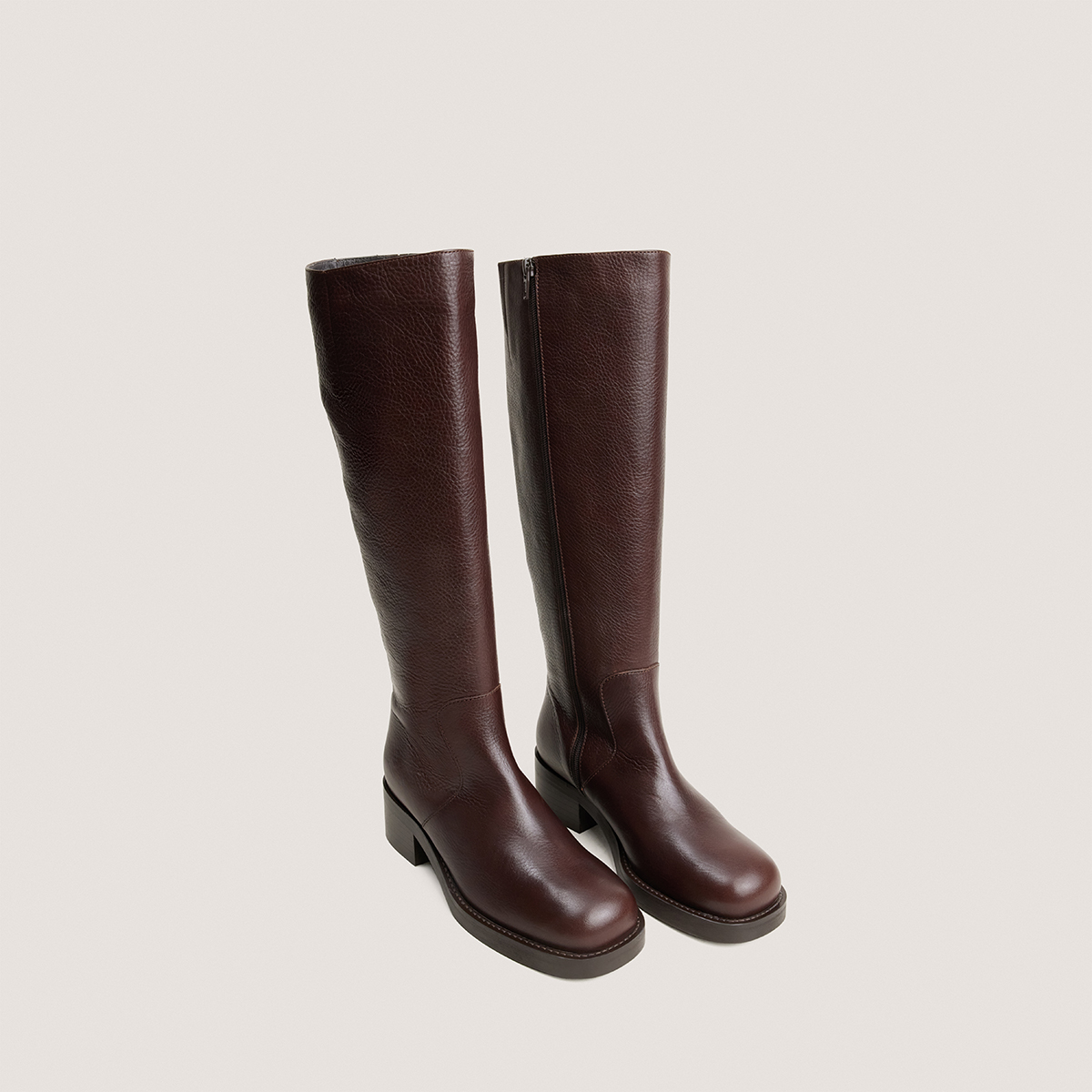
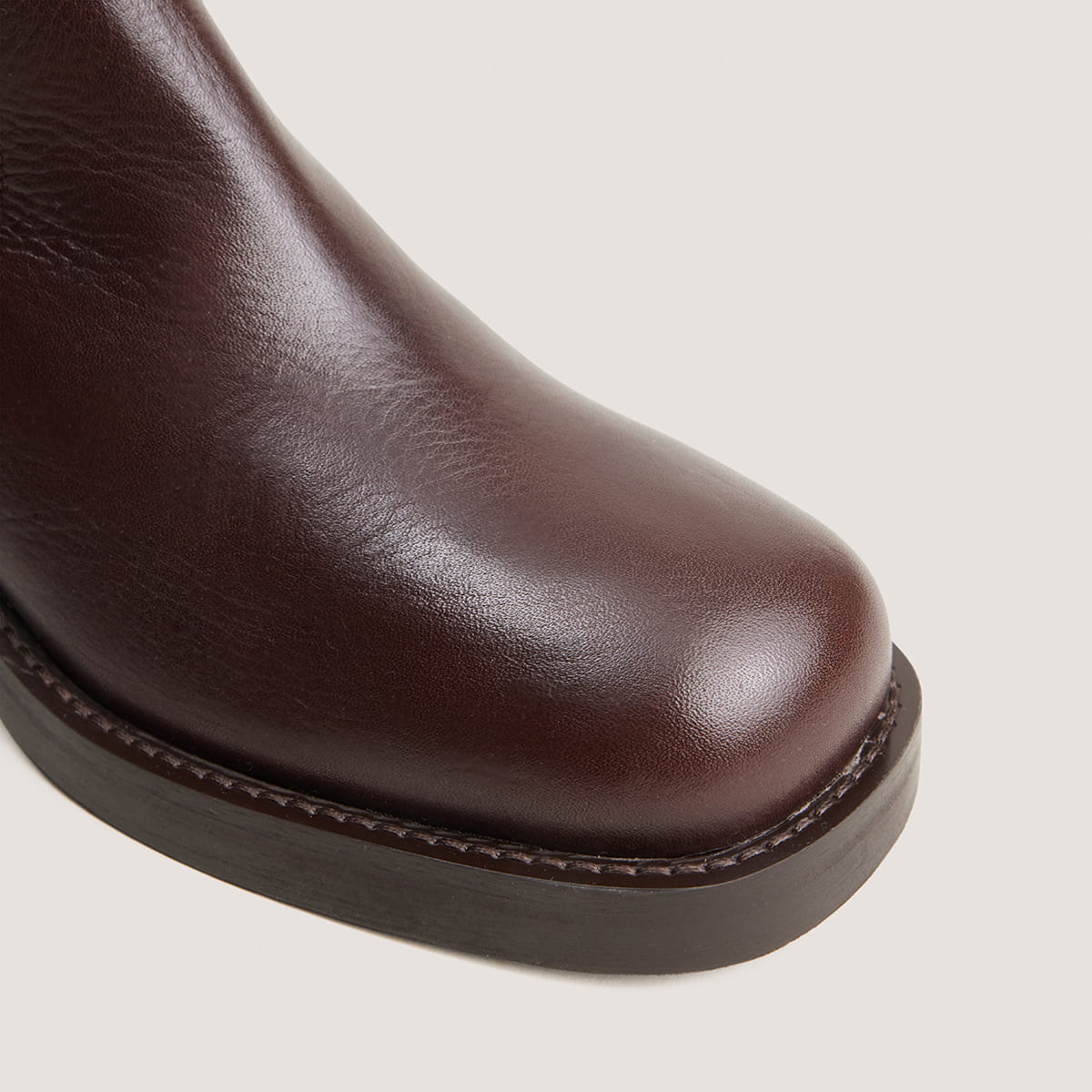
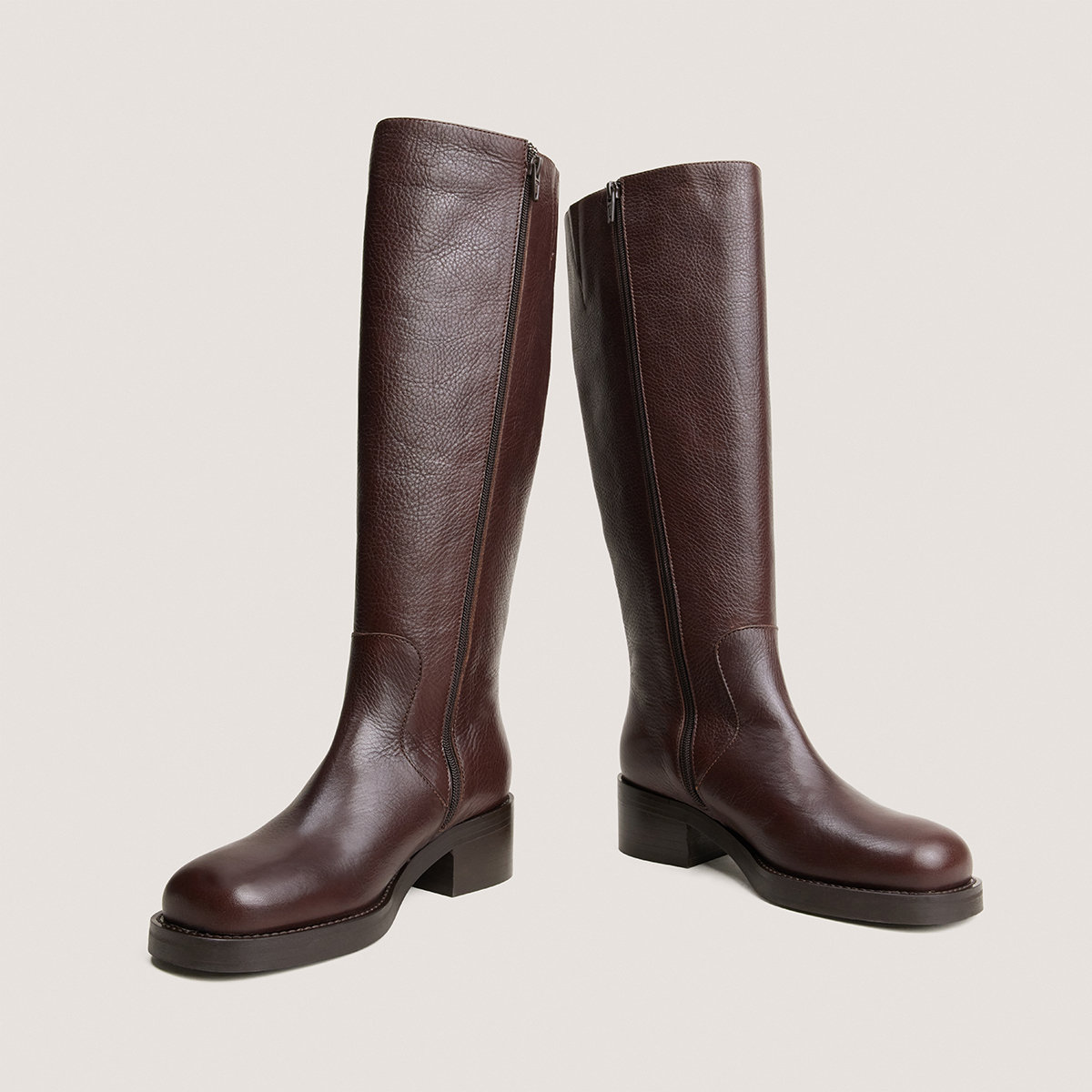
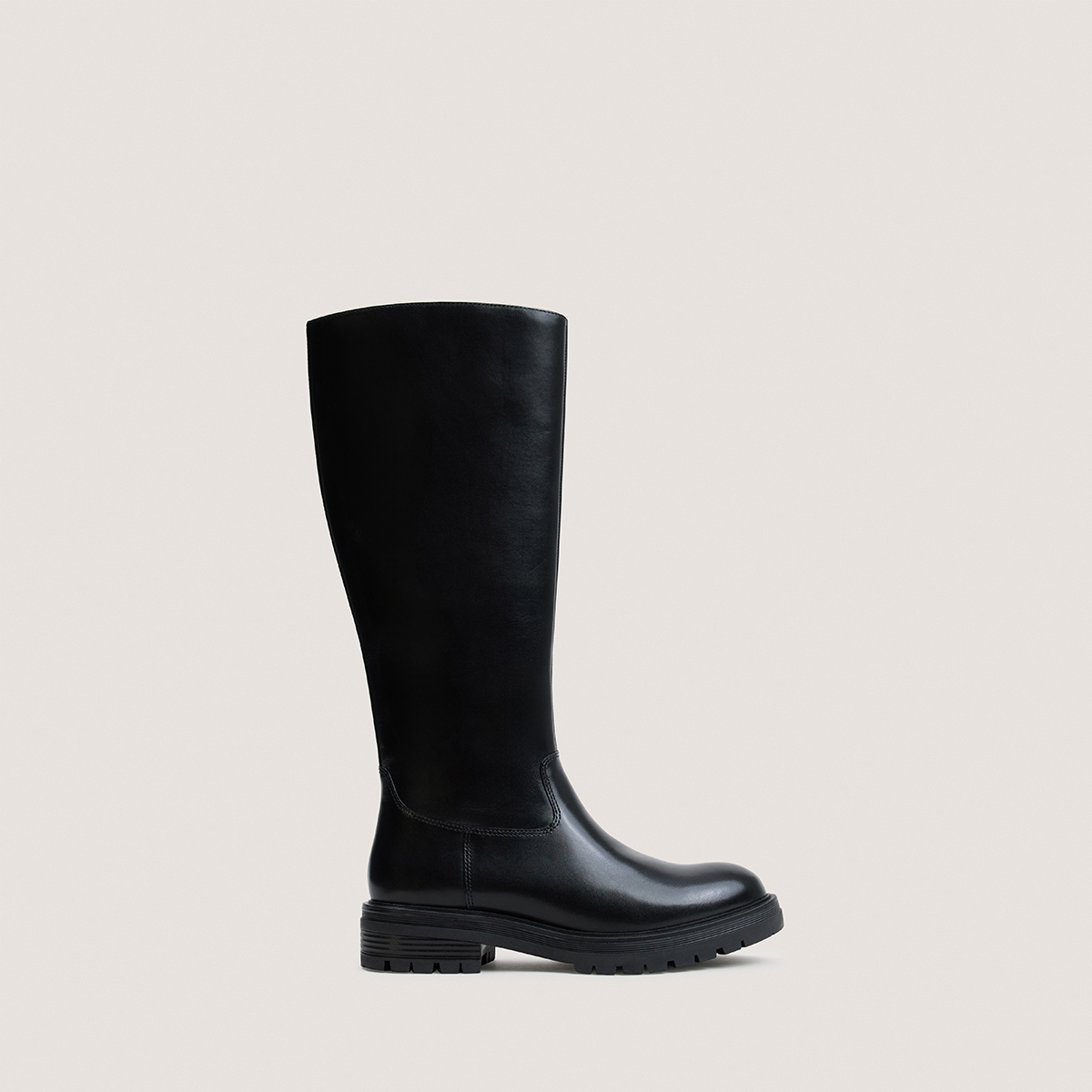
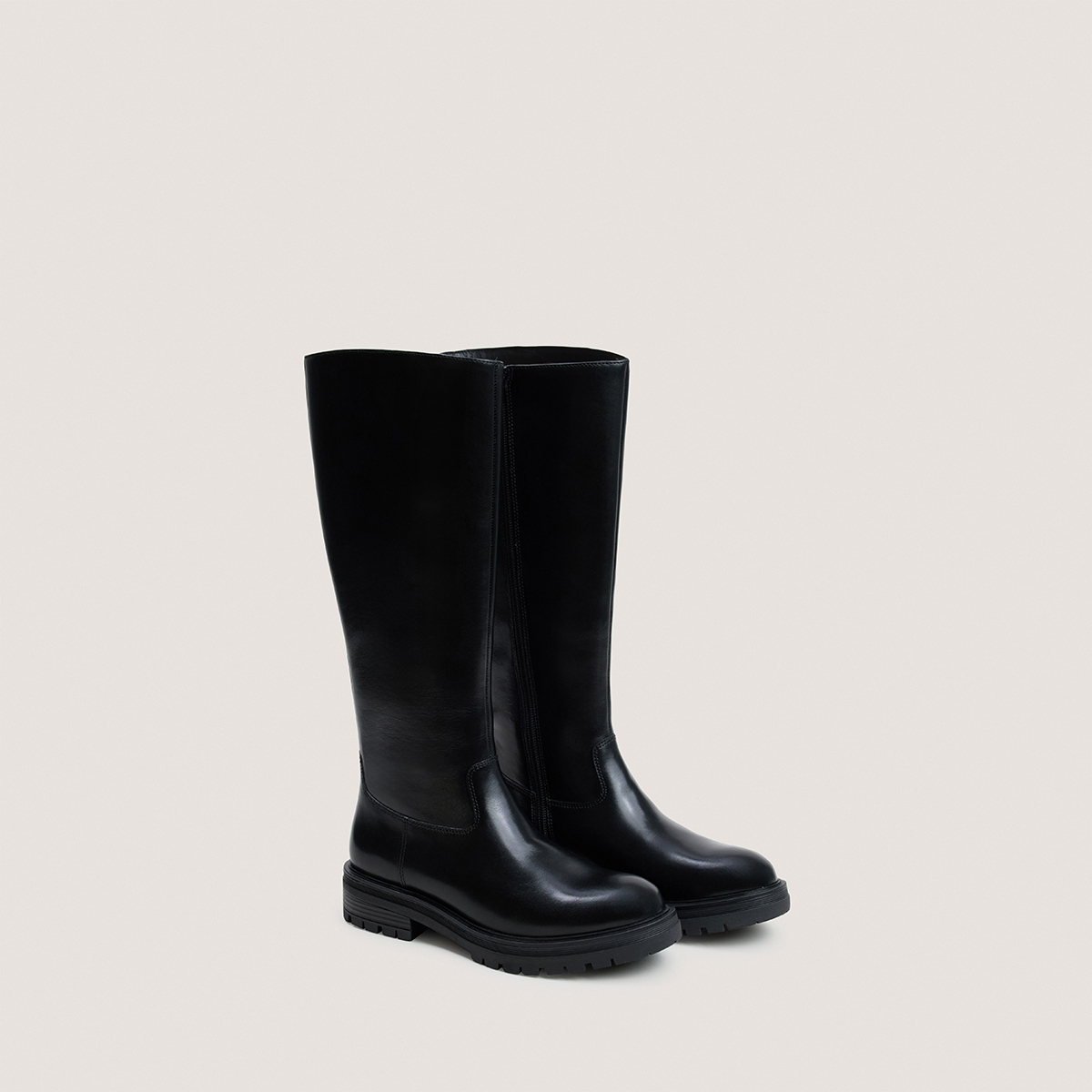
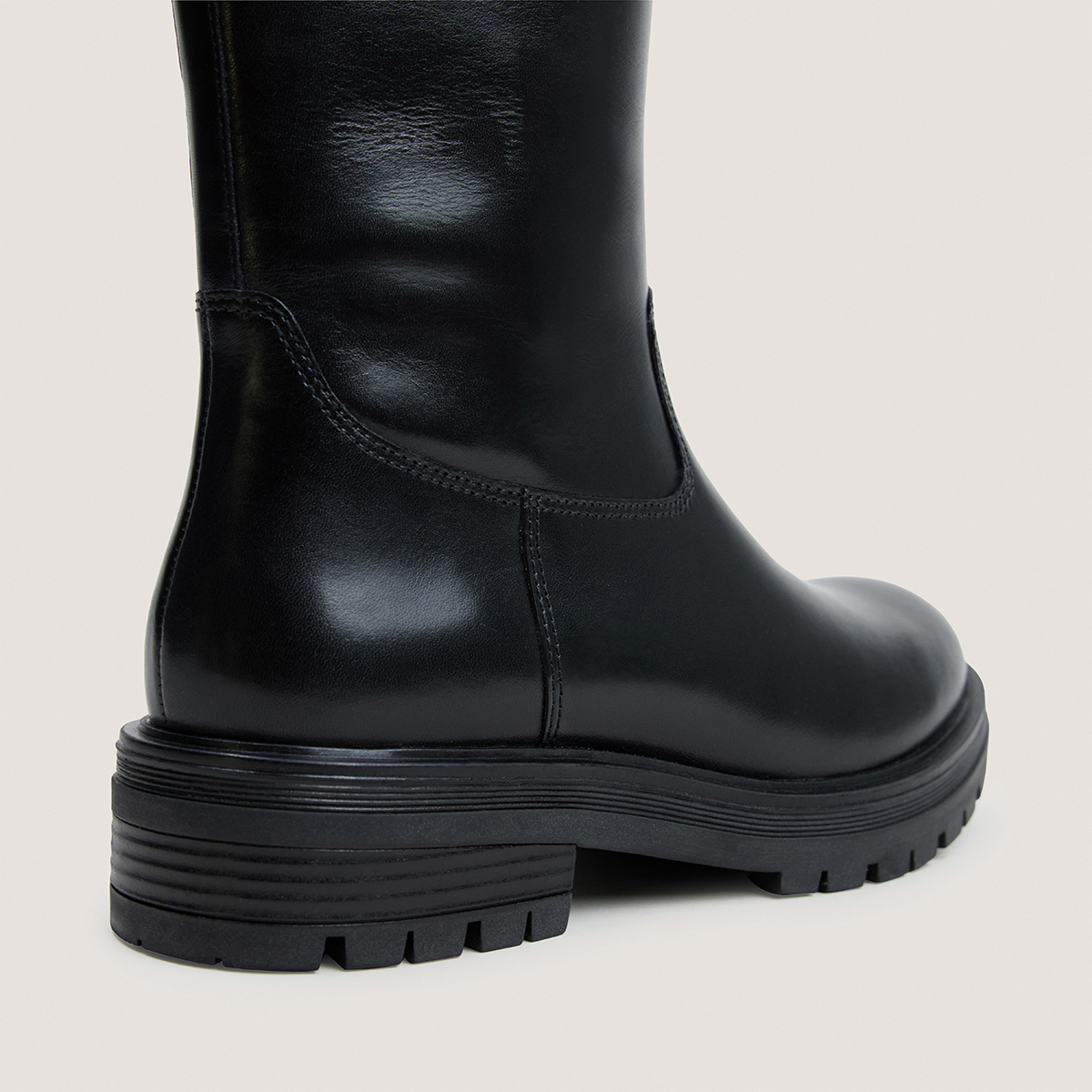
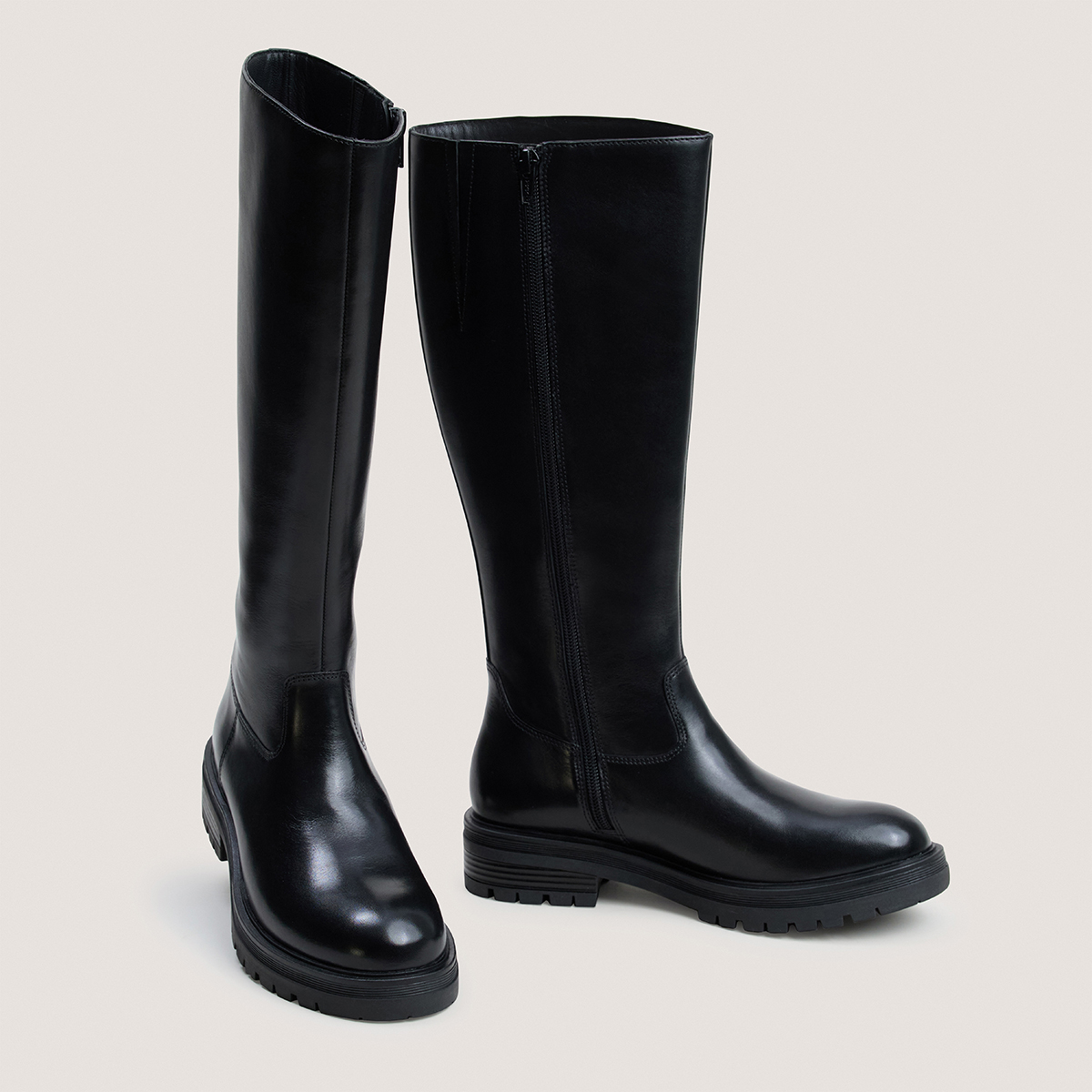
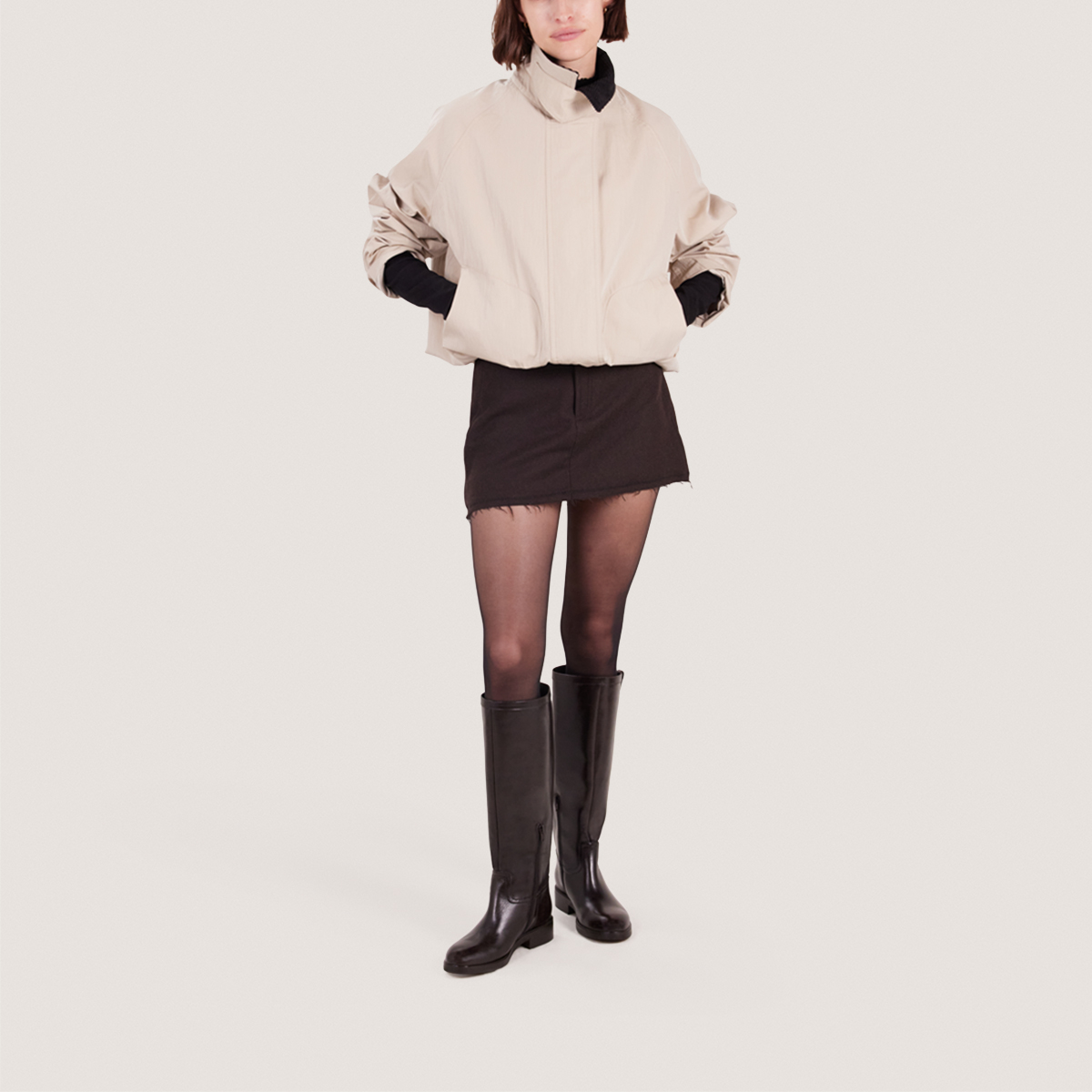
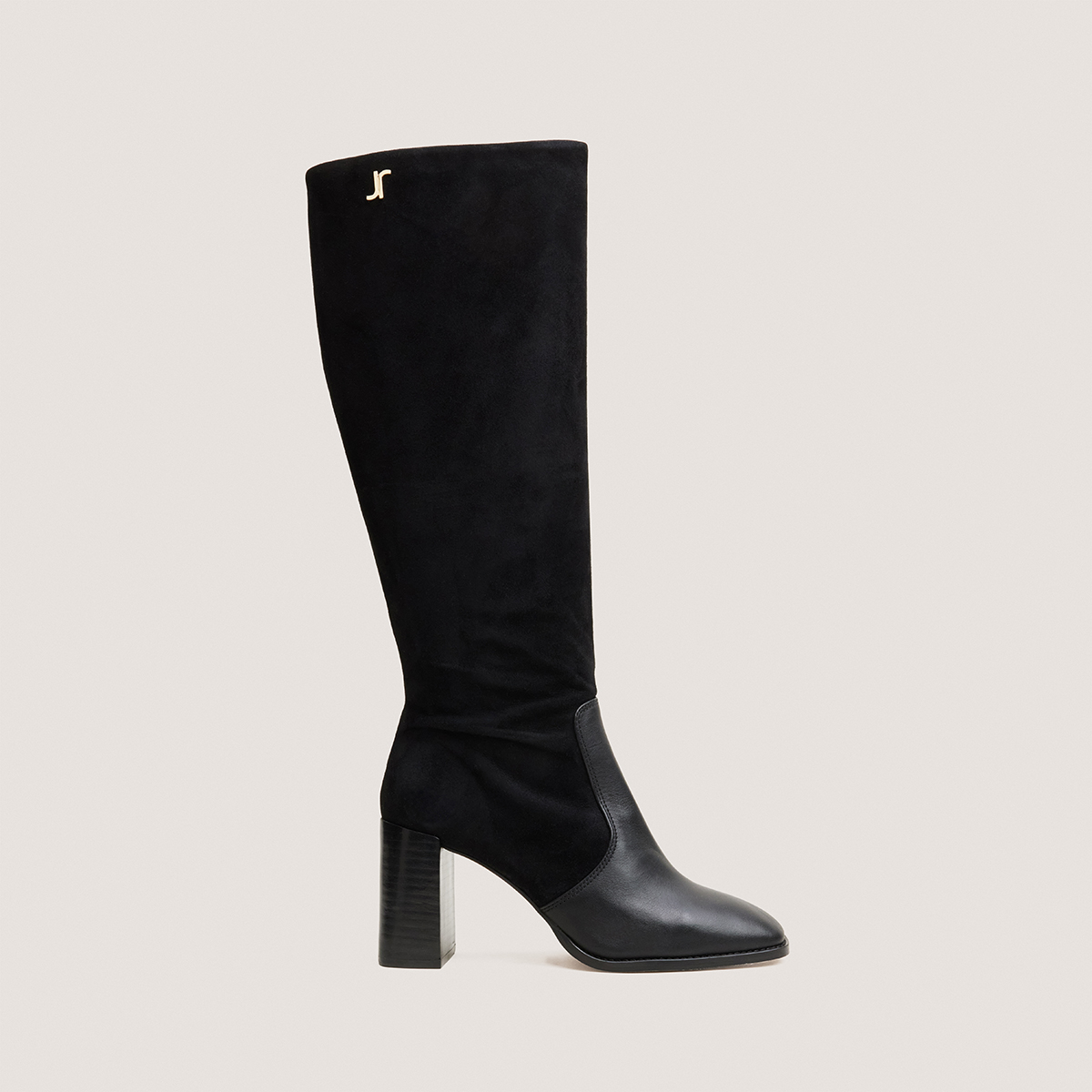
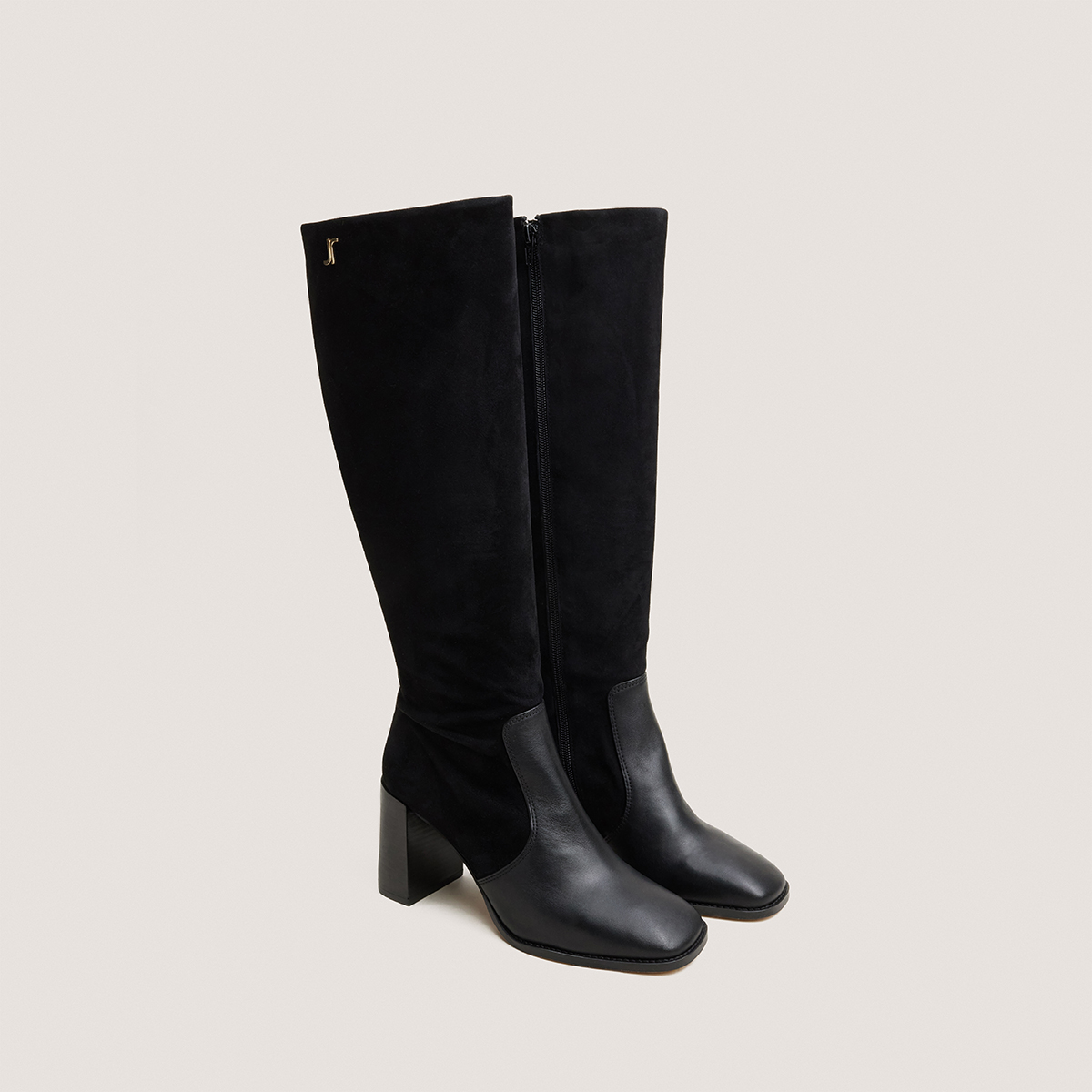
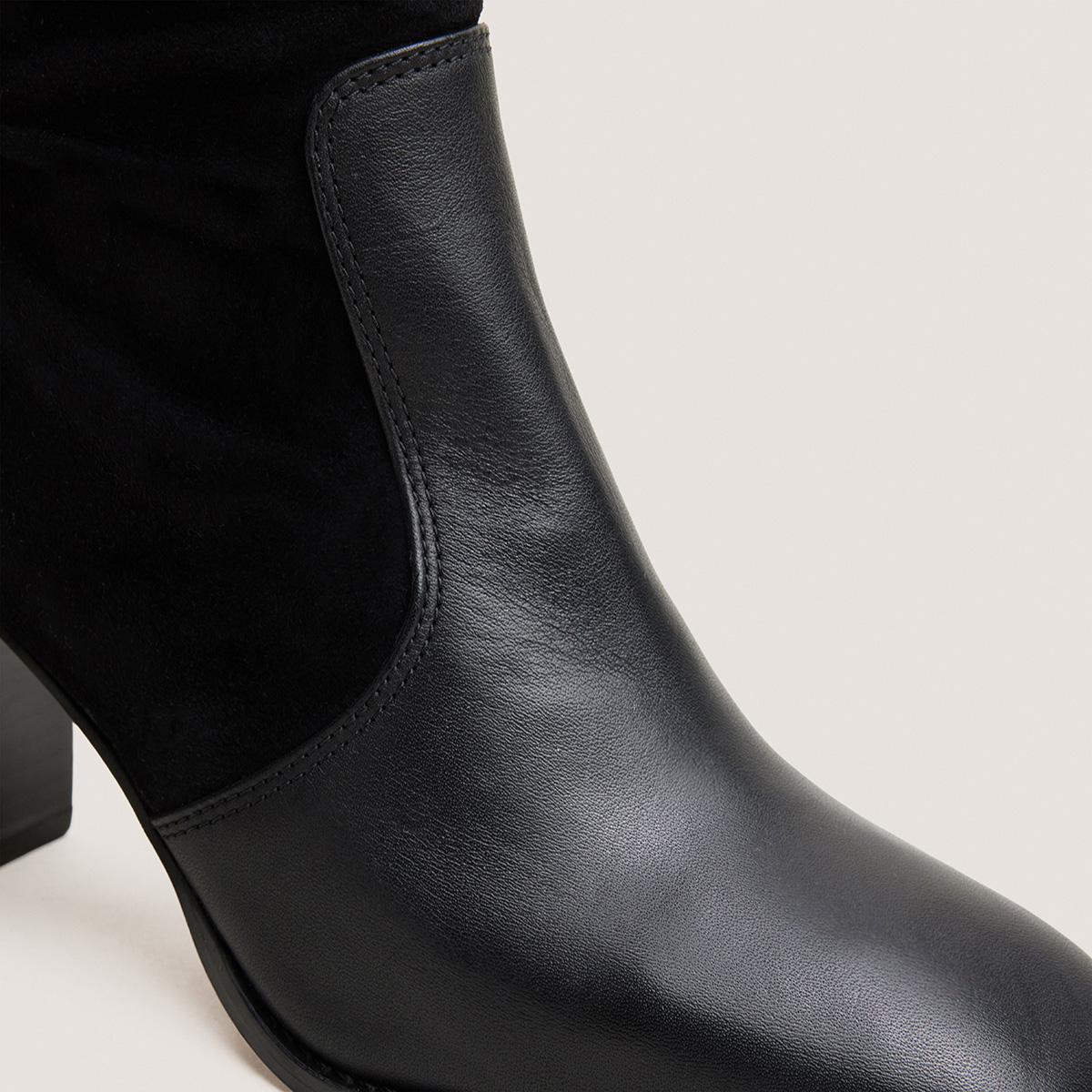
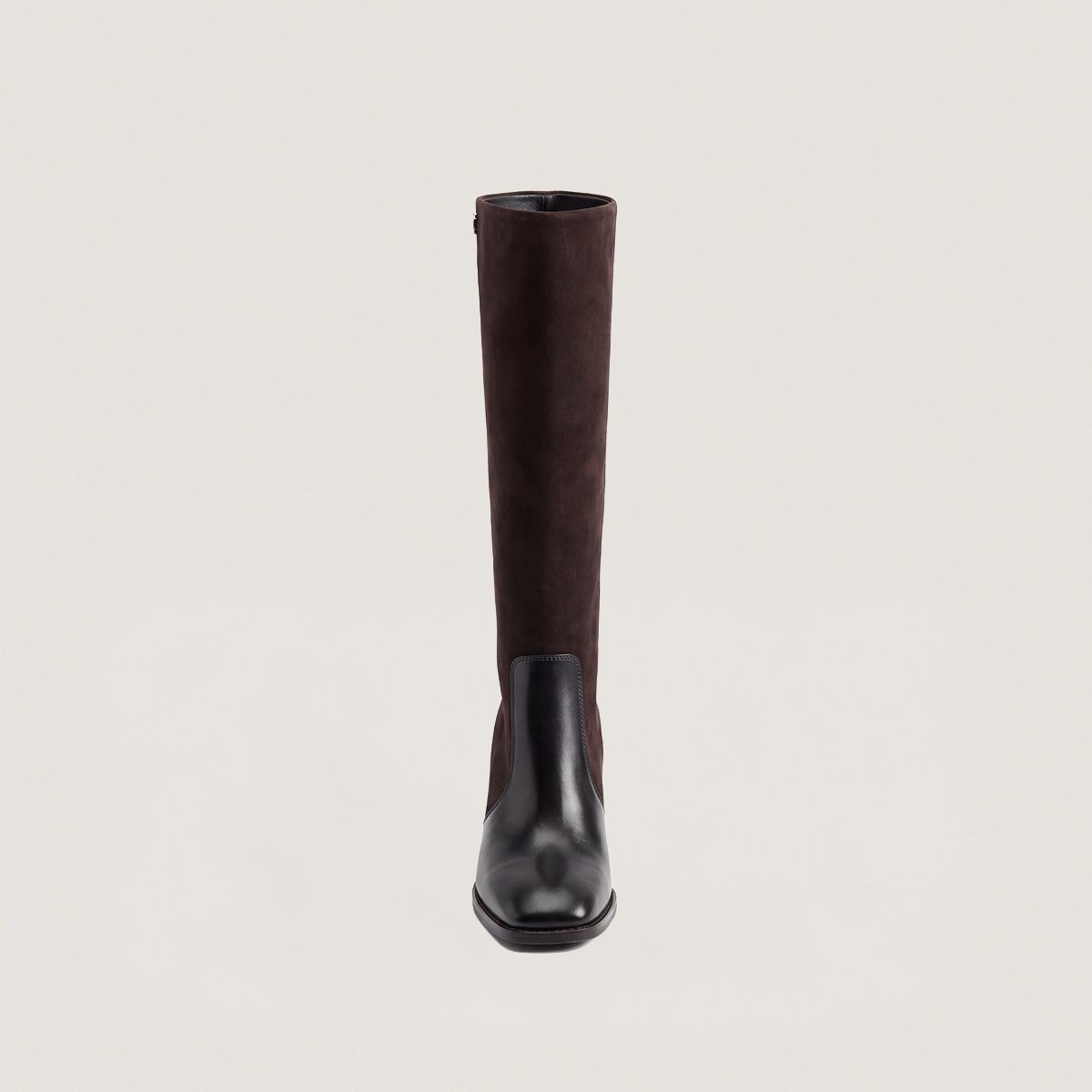
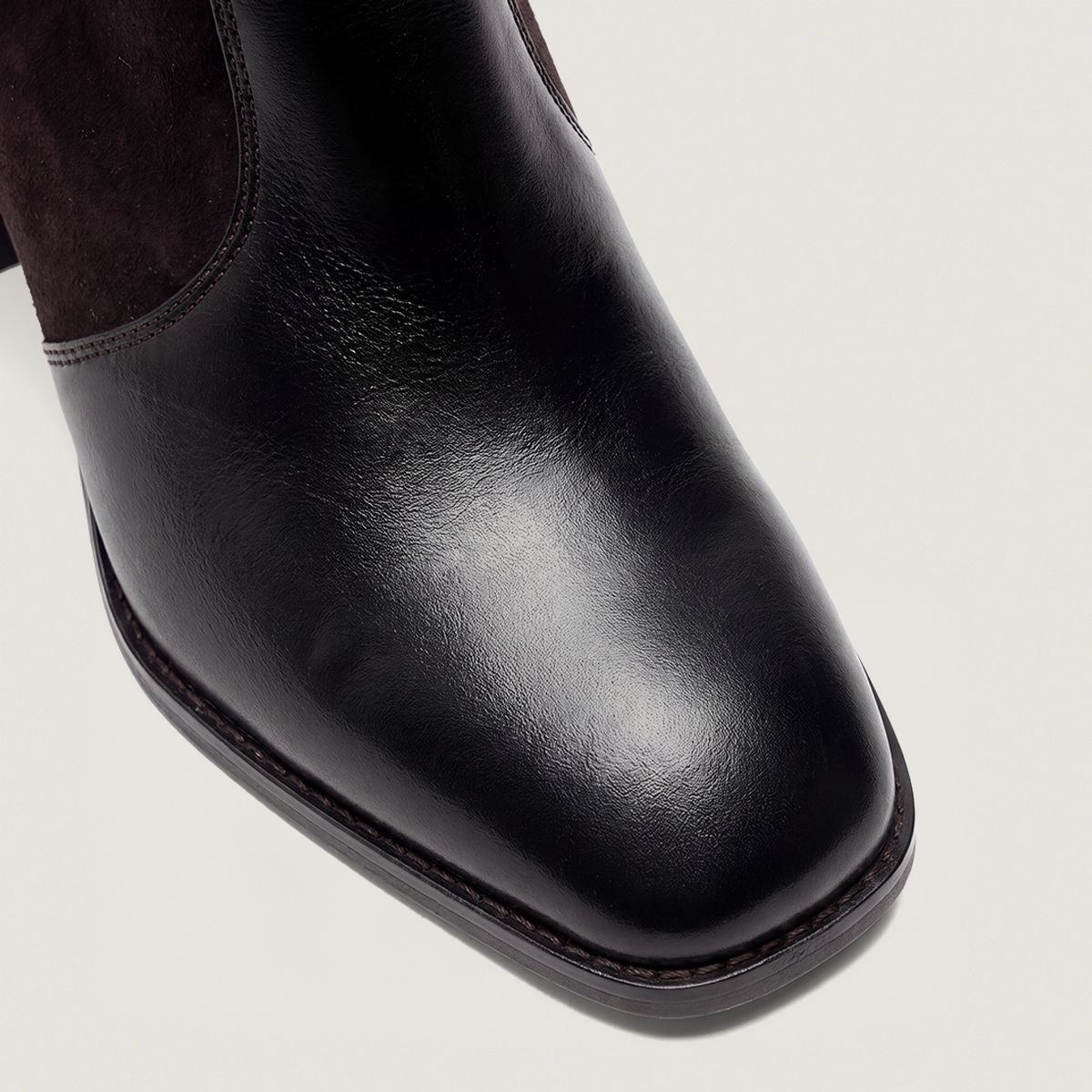
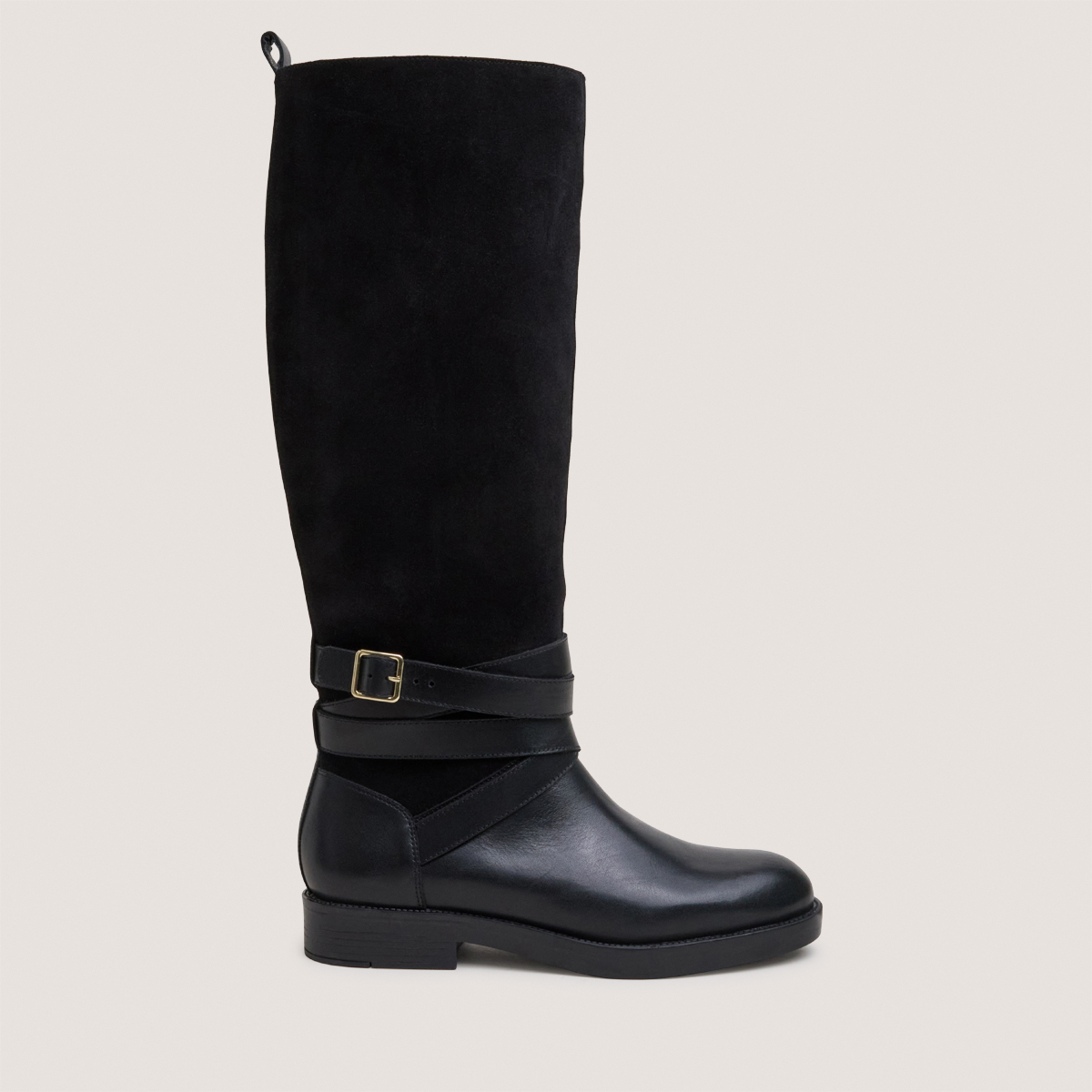
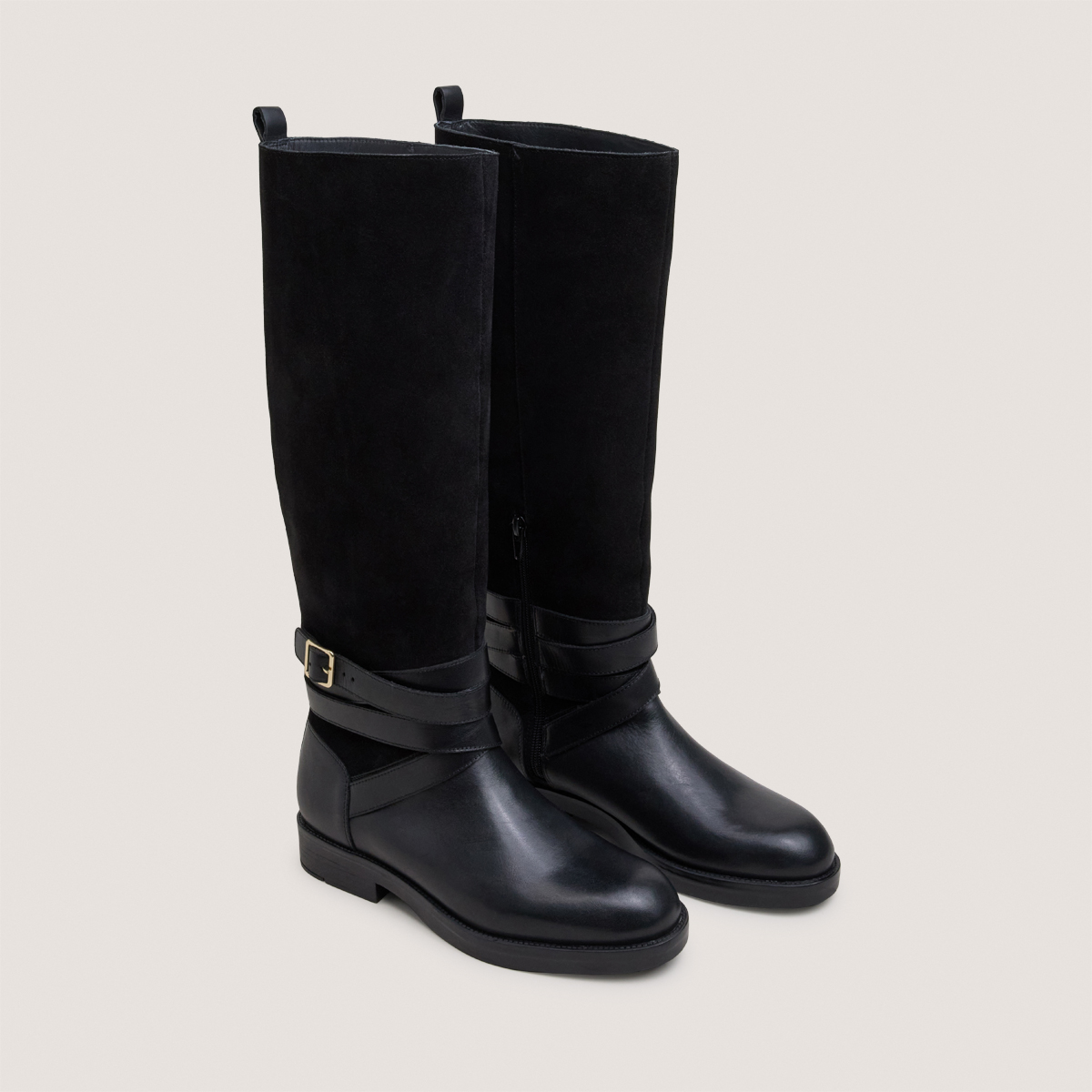
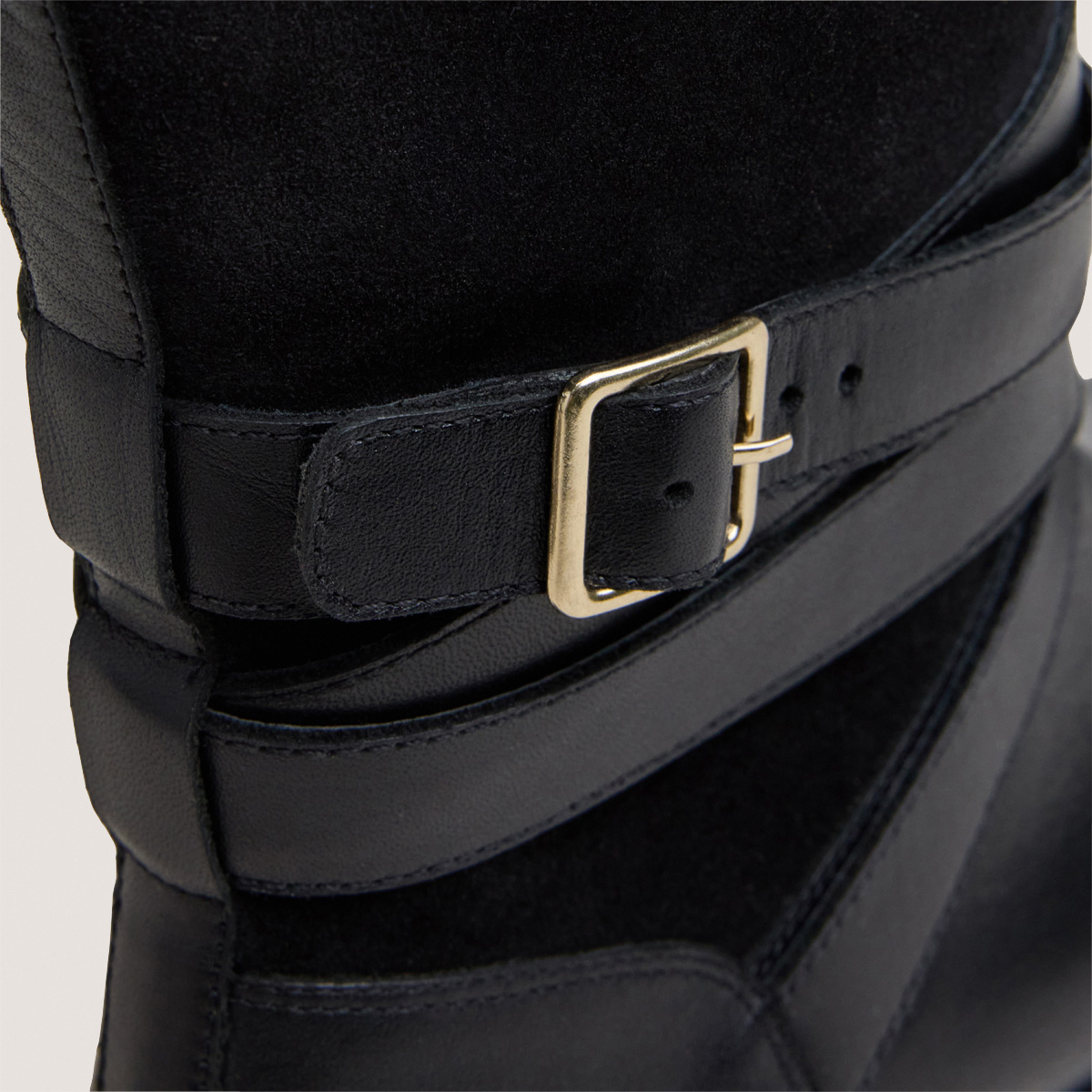
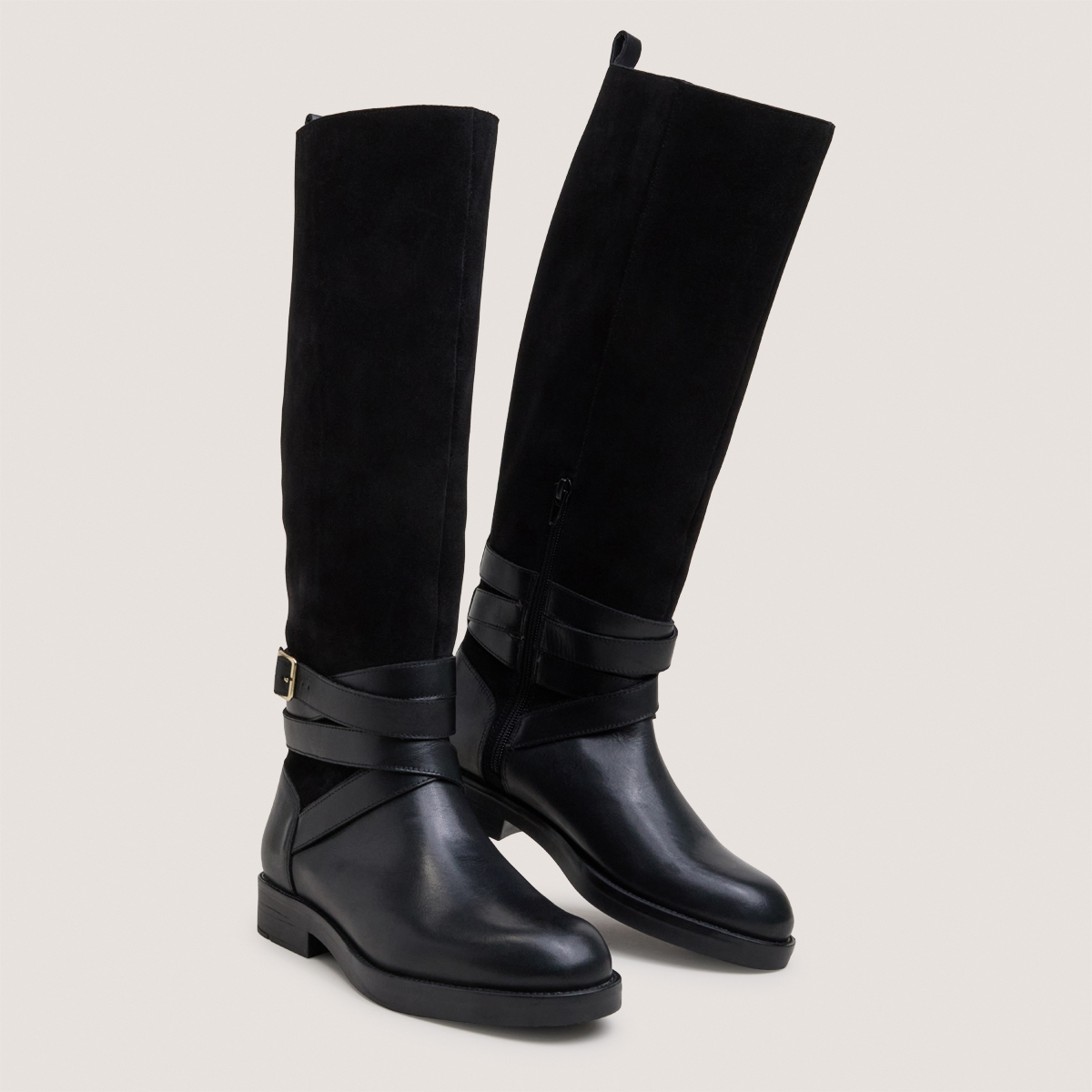
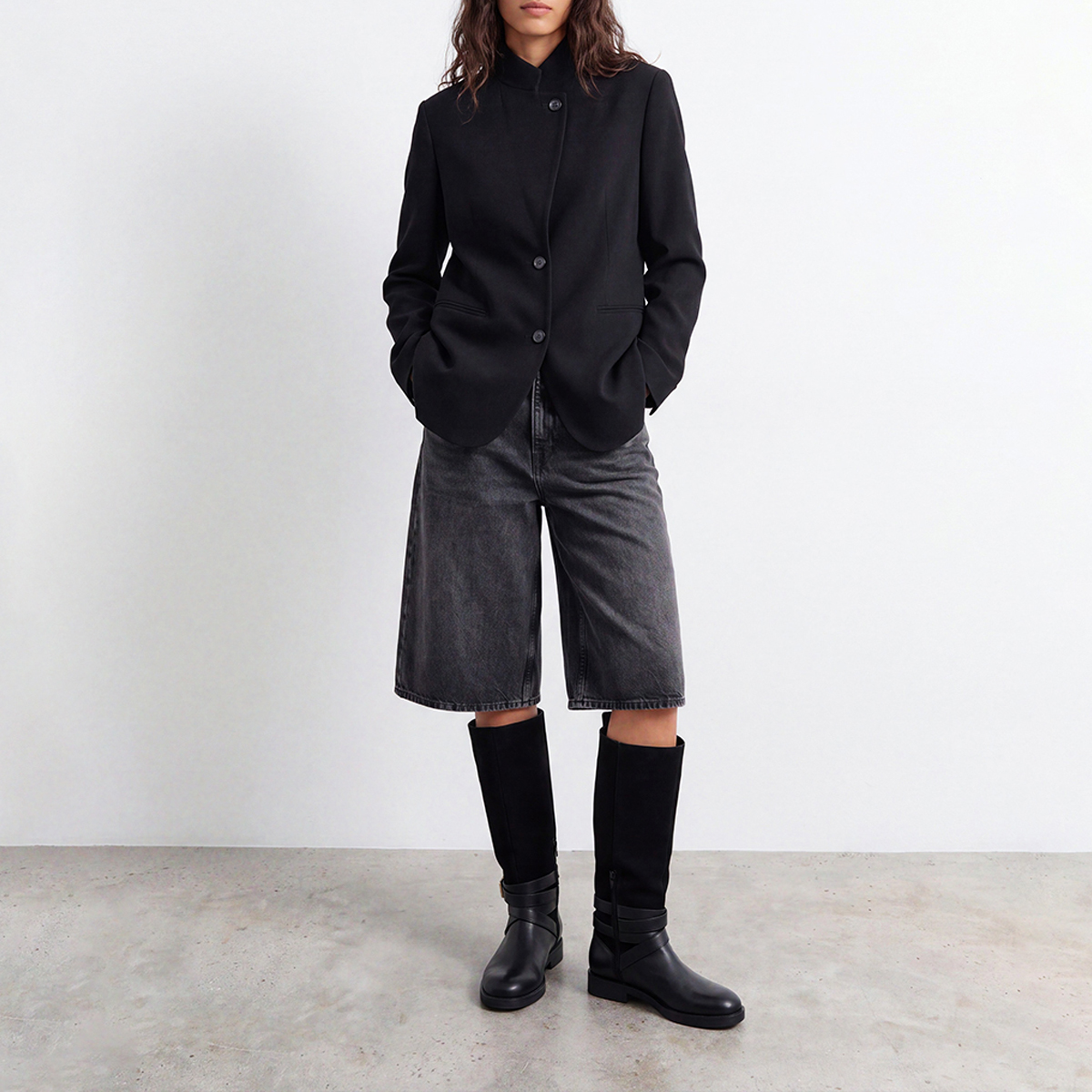
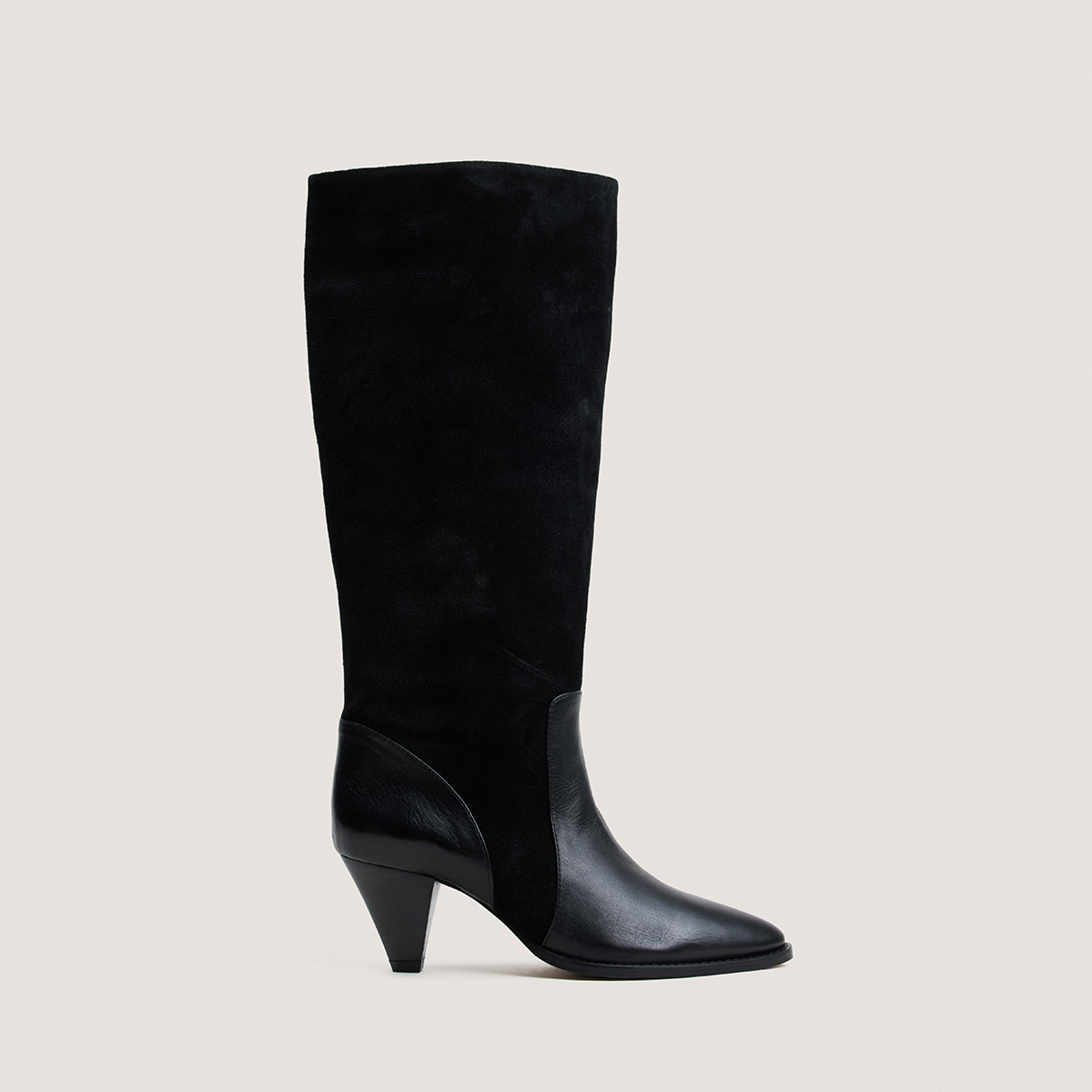
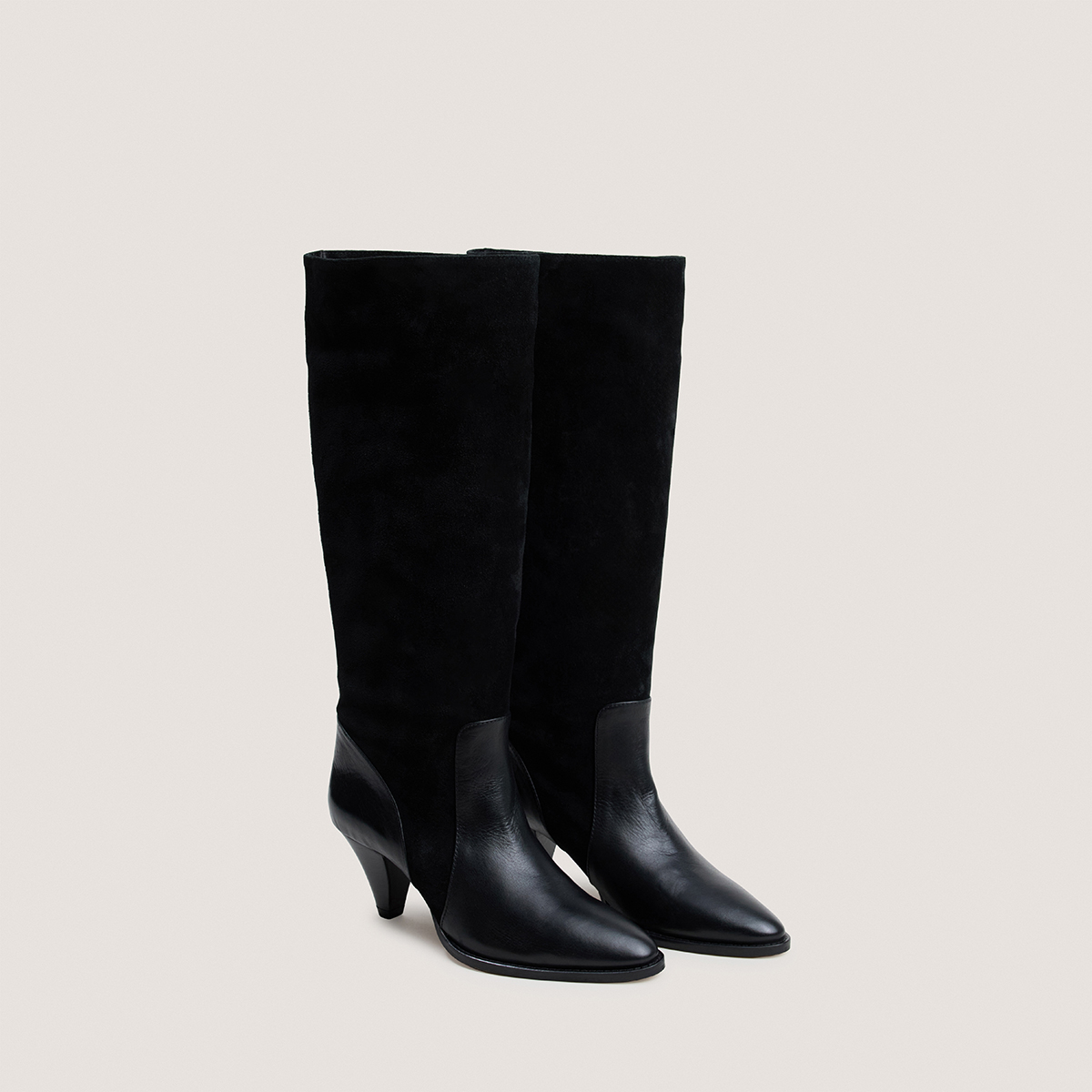
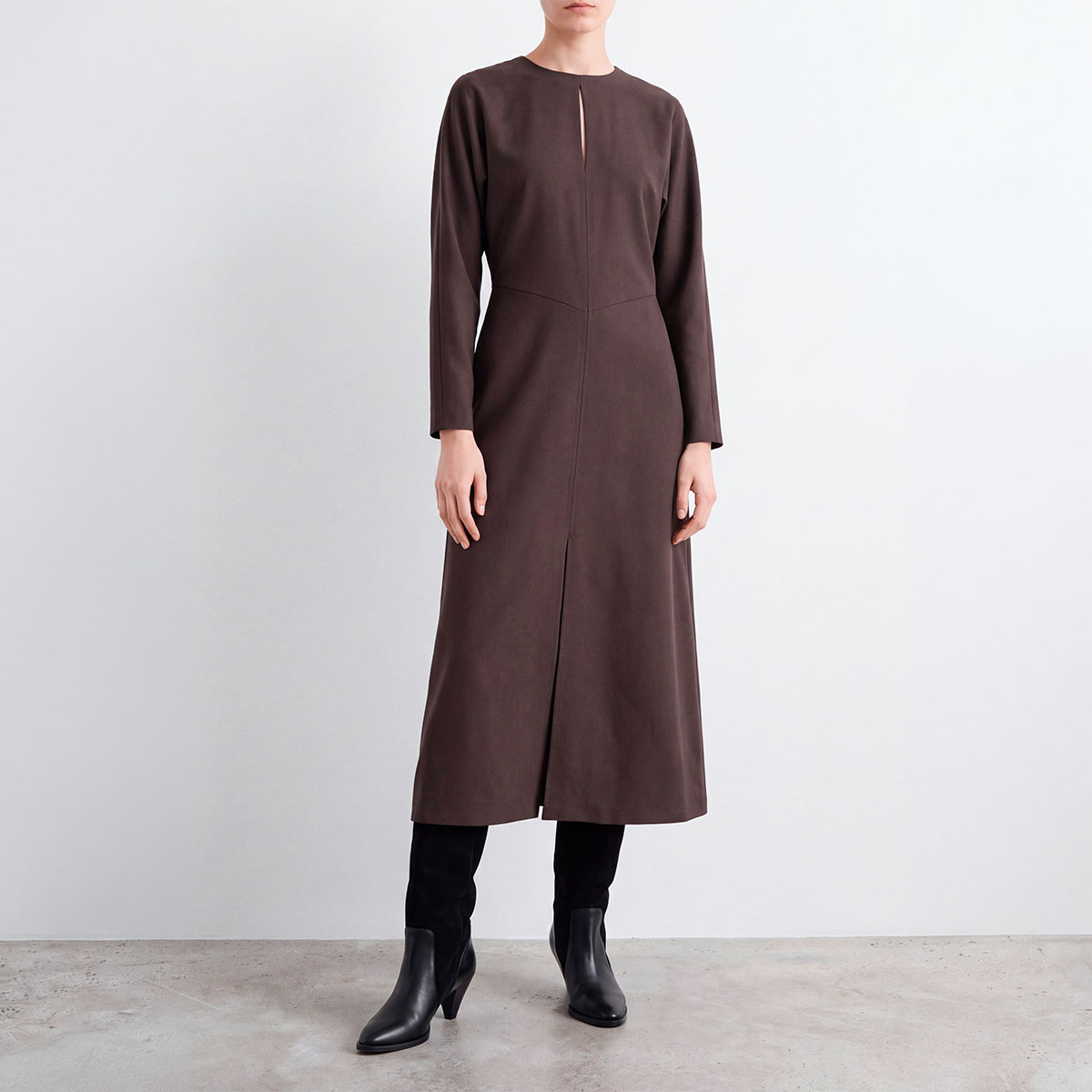
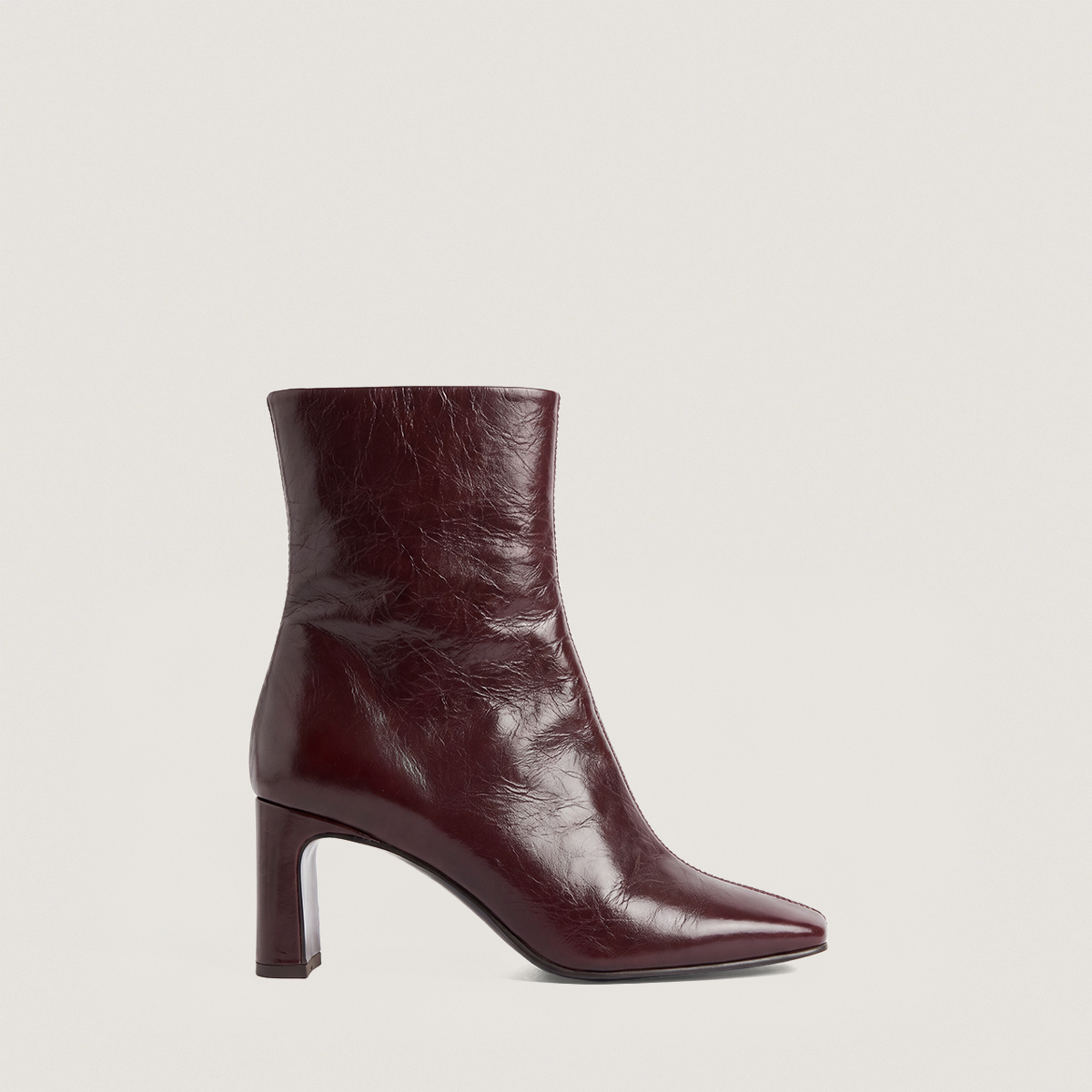
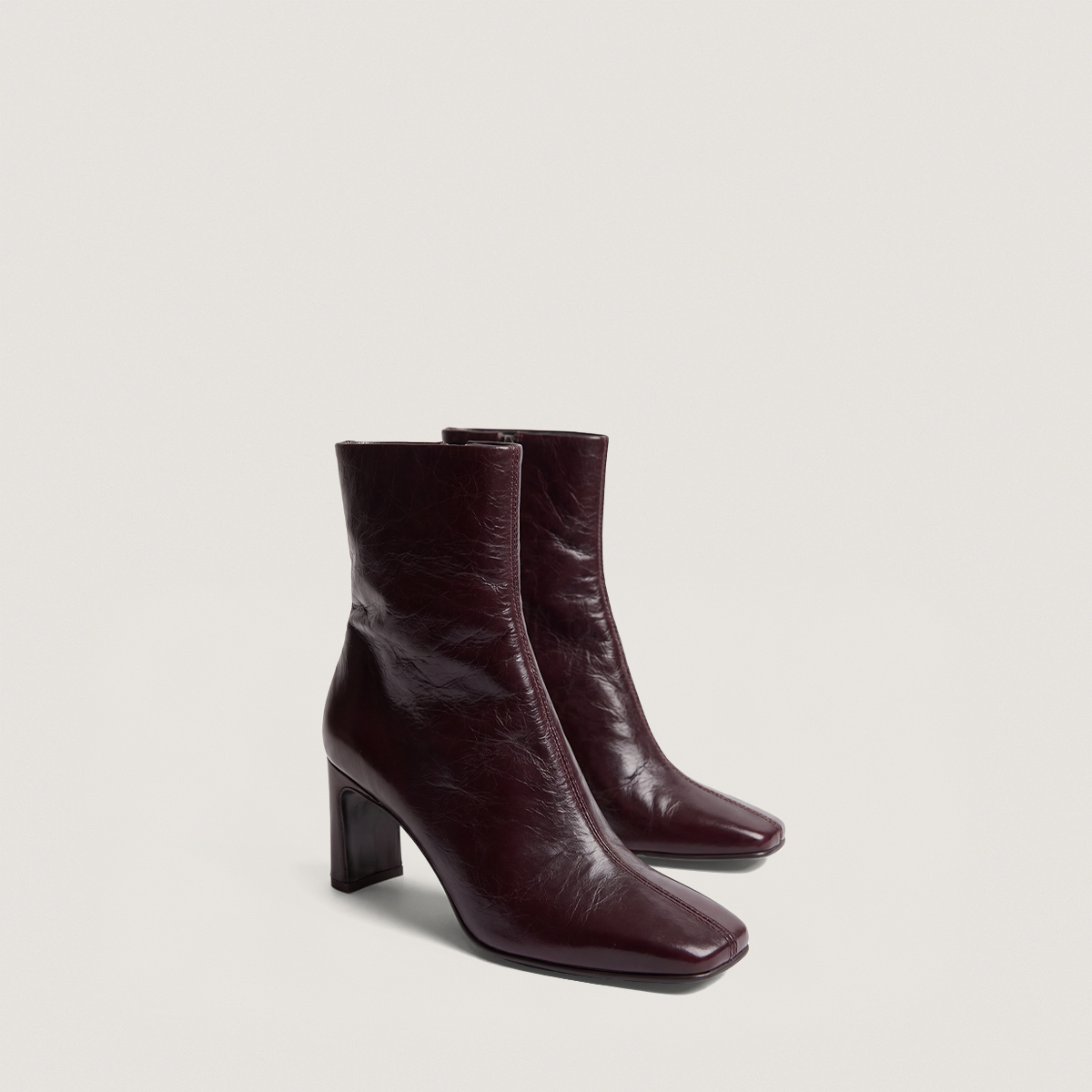
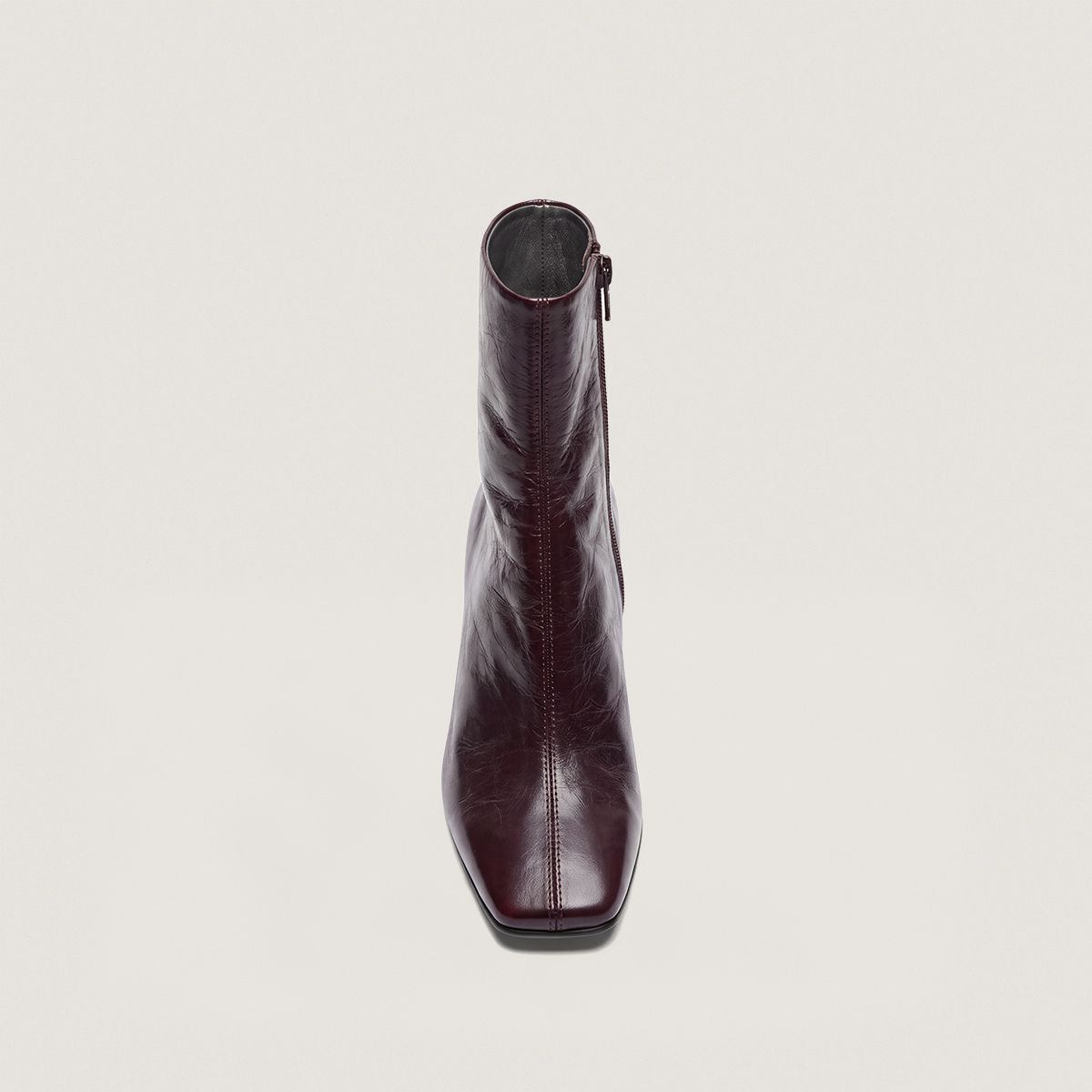
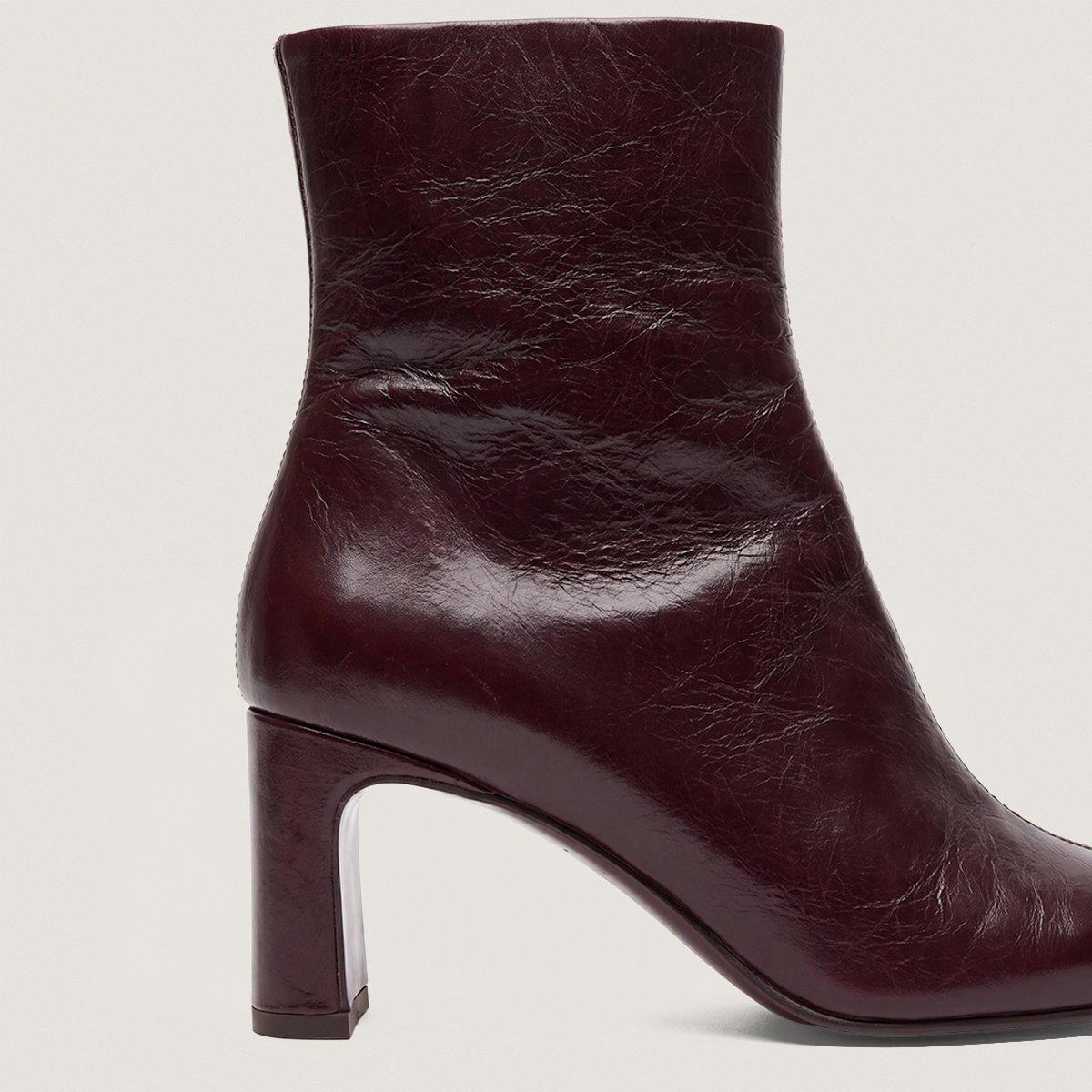
Leather boots are made to be worn all winter, rain or shine. The more you wear them, the softer the leather becomes, gradually molding to your foot. Smooth leather is always a safe bet, with a clean, timeless look that works with any style. Grained leather stands out for its natural texture, which gives the boot extra character. Patinated leather, with its subtle shifts in color, only gets better with time.
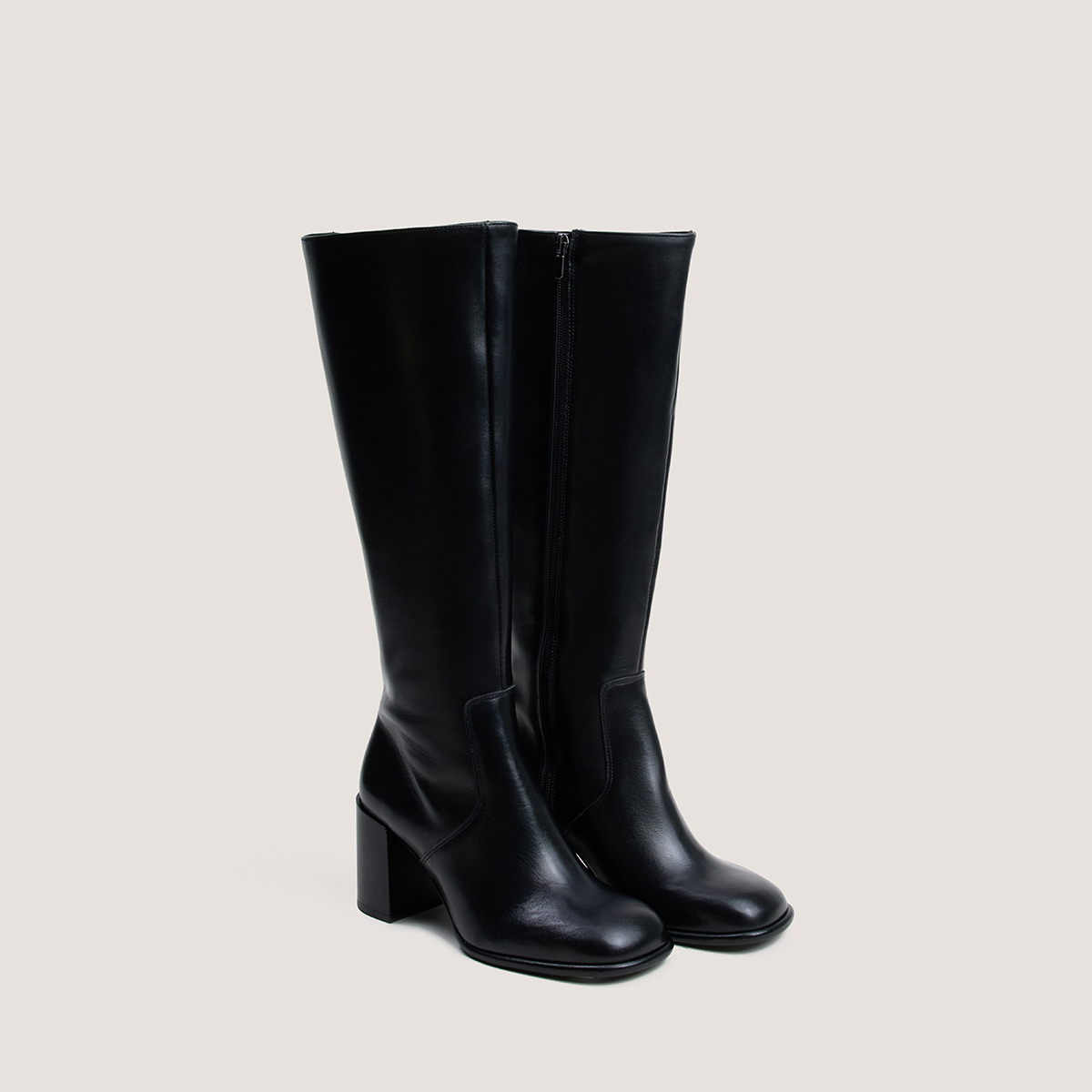
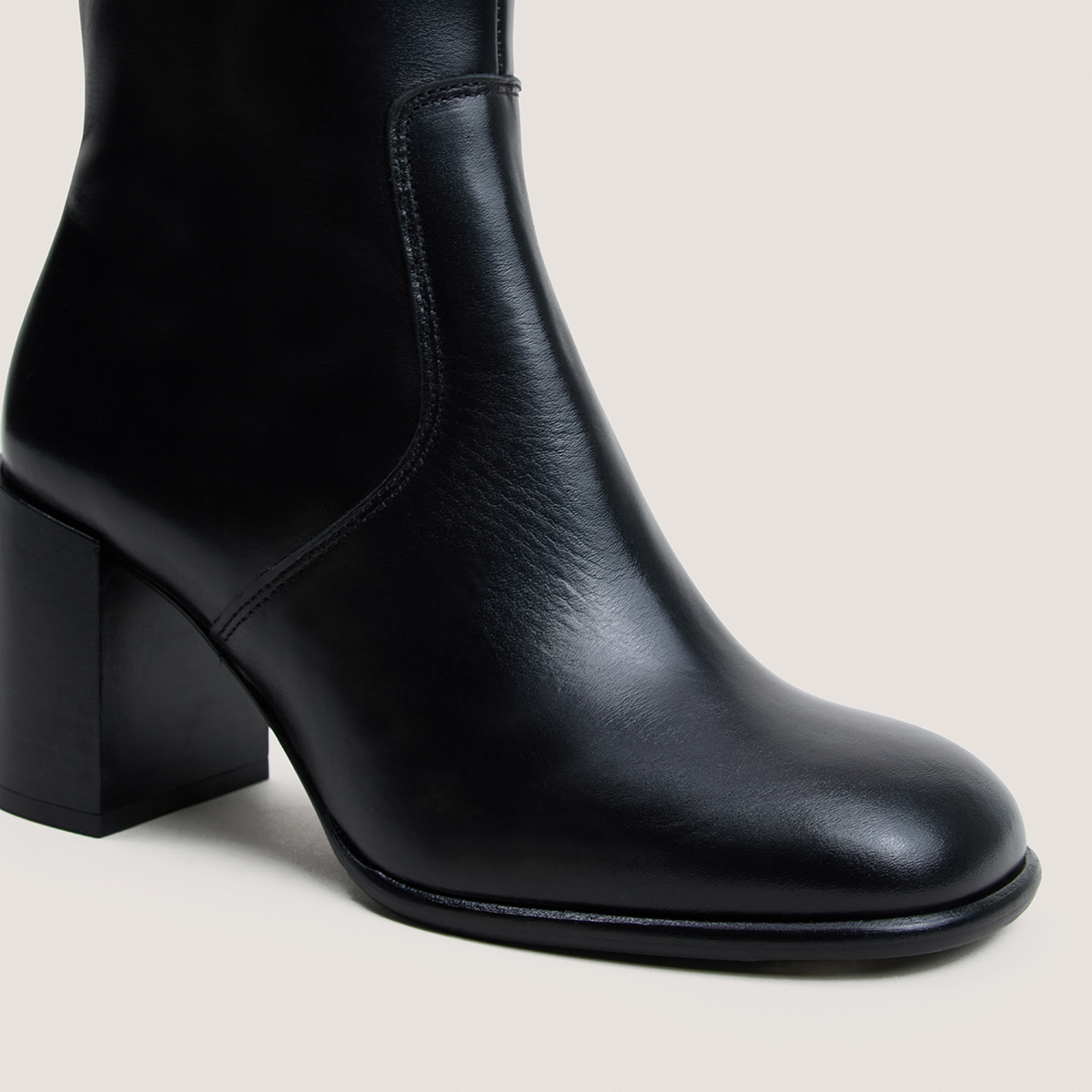
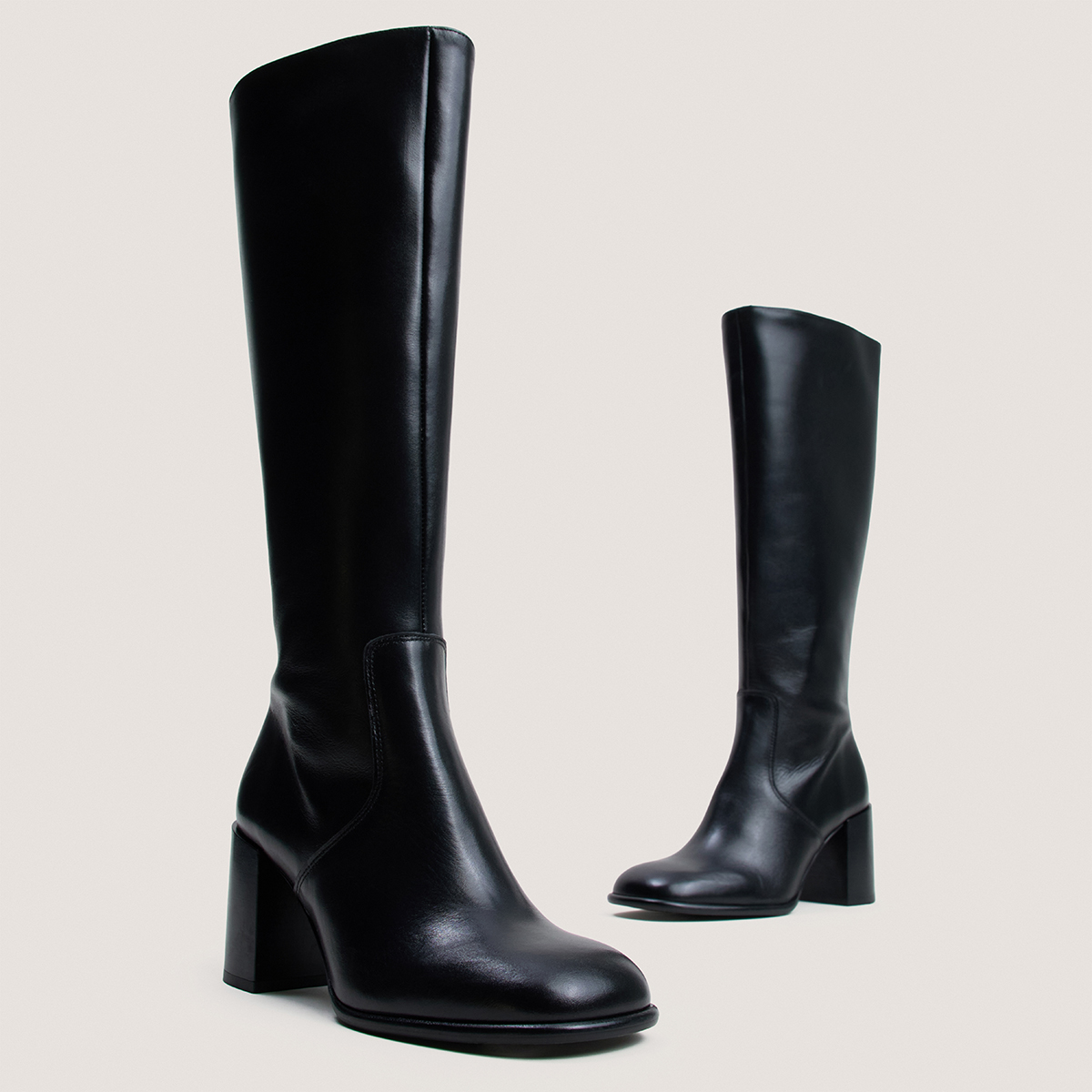
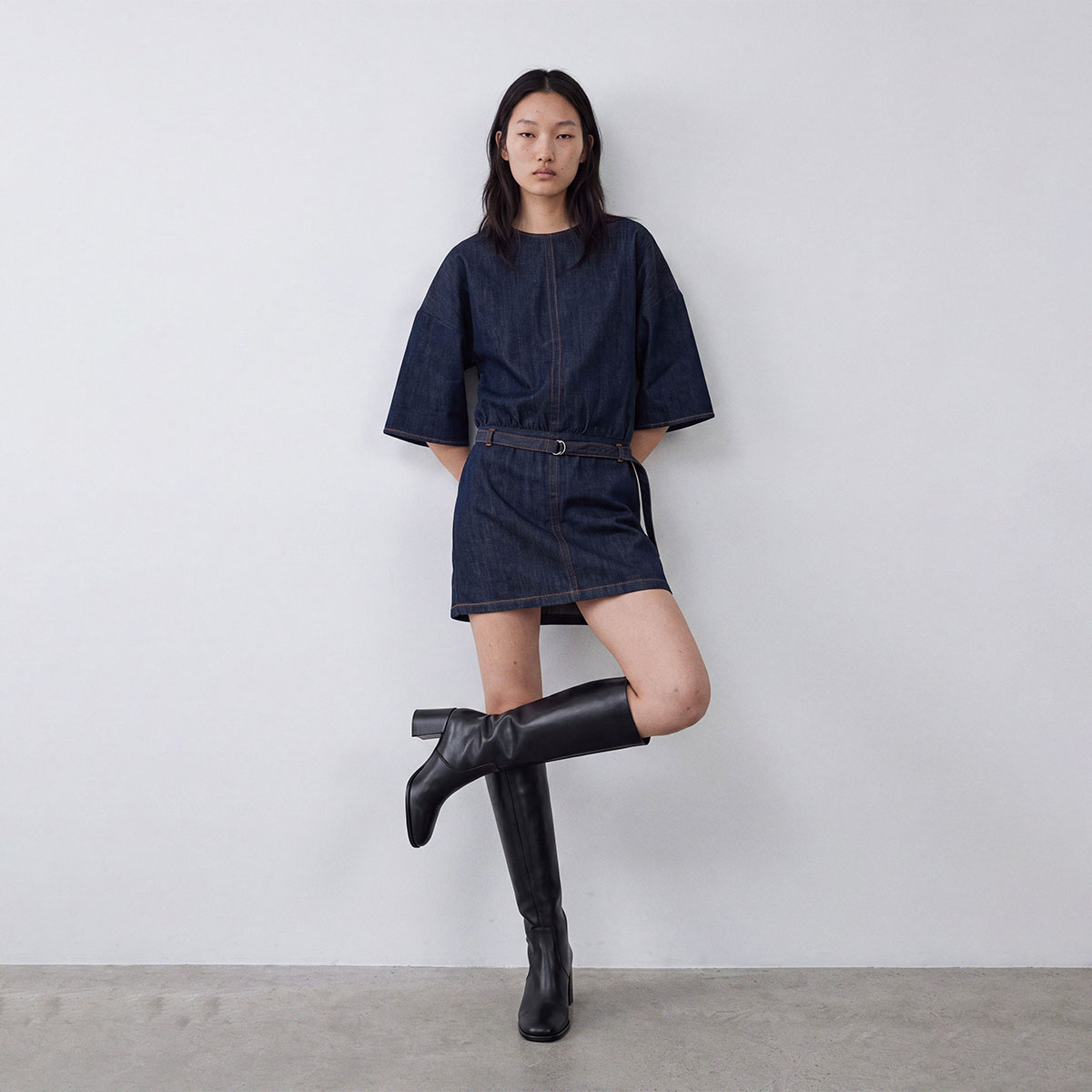
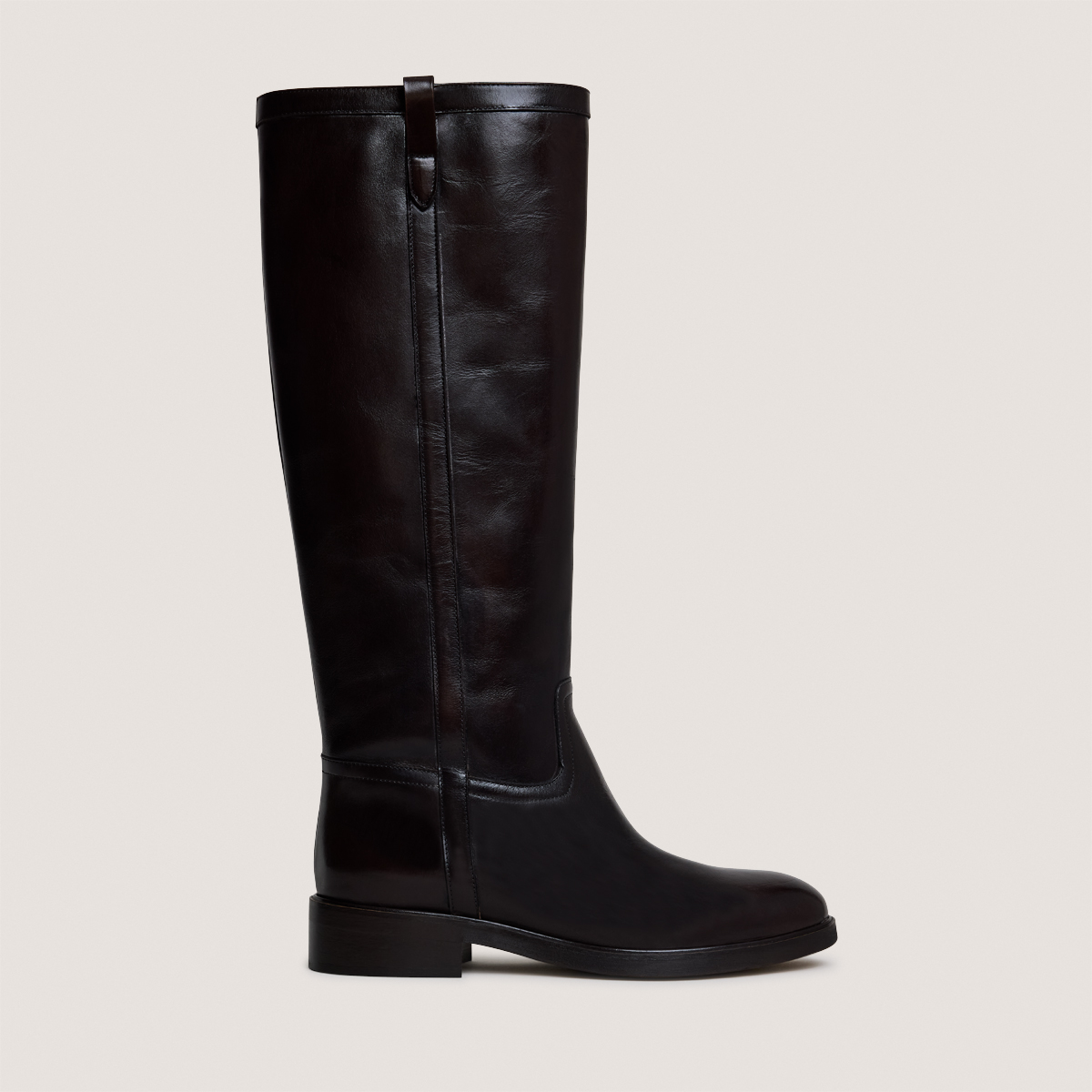
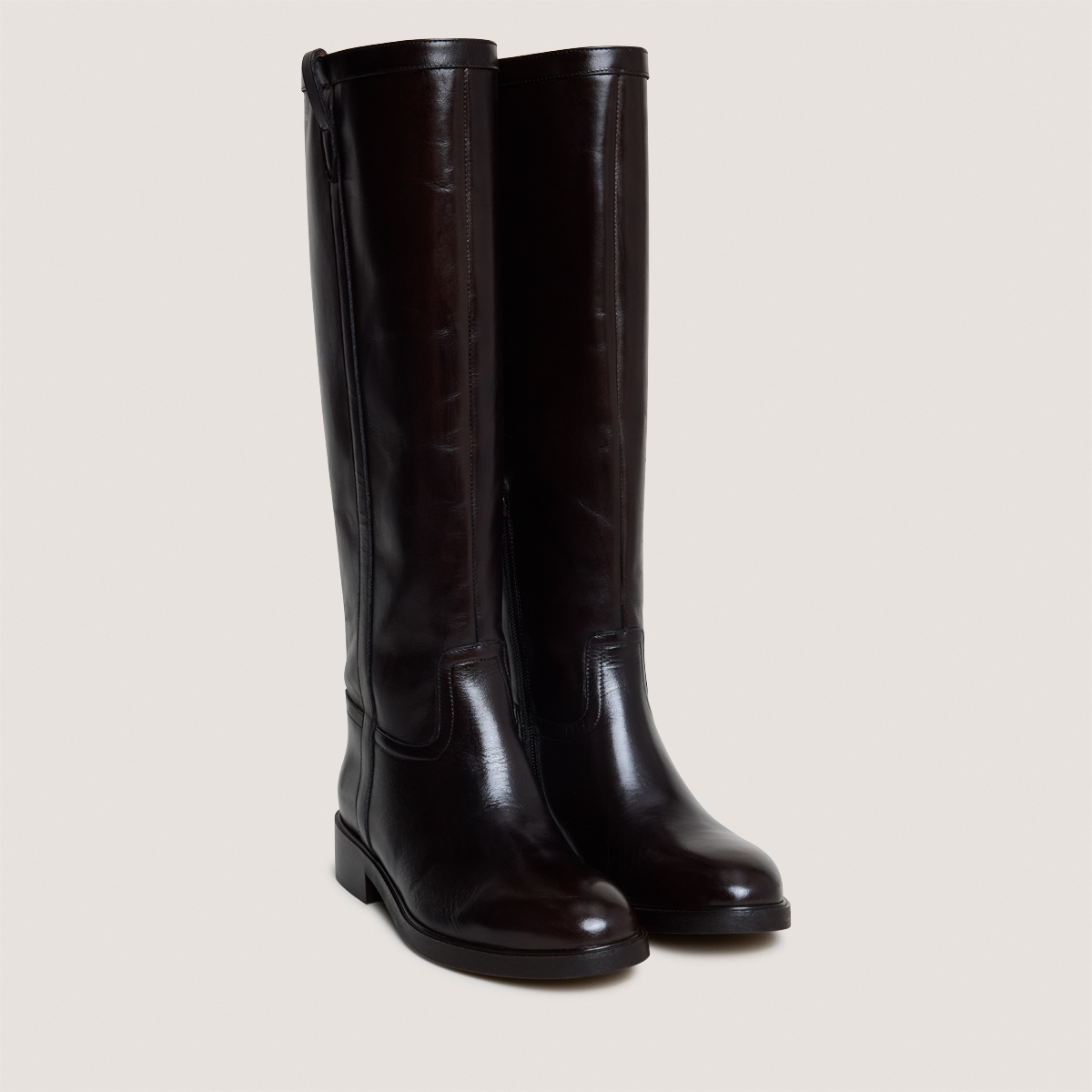
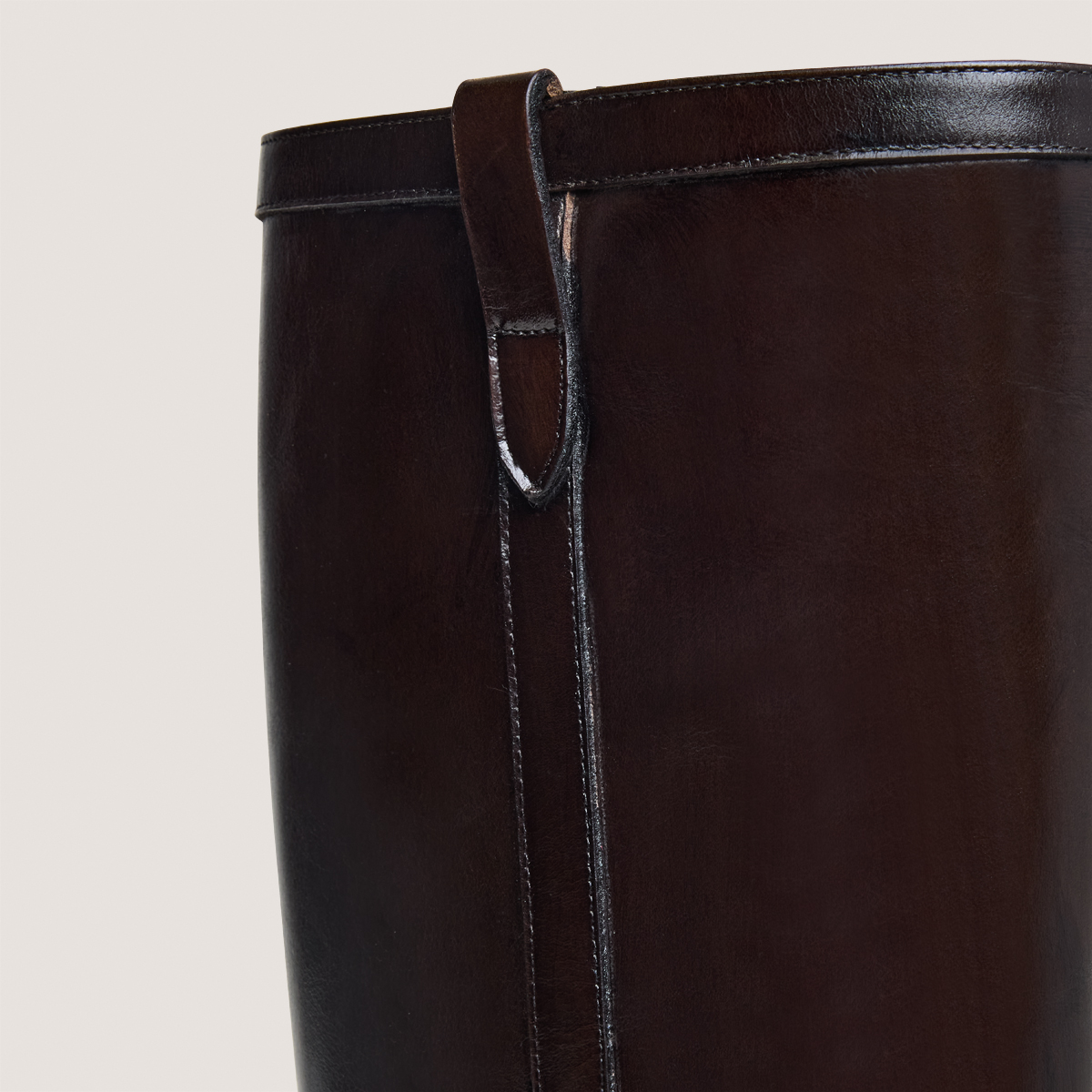
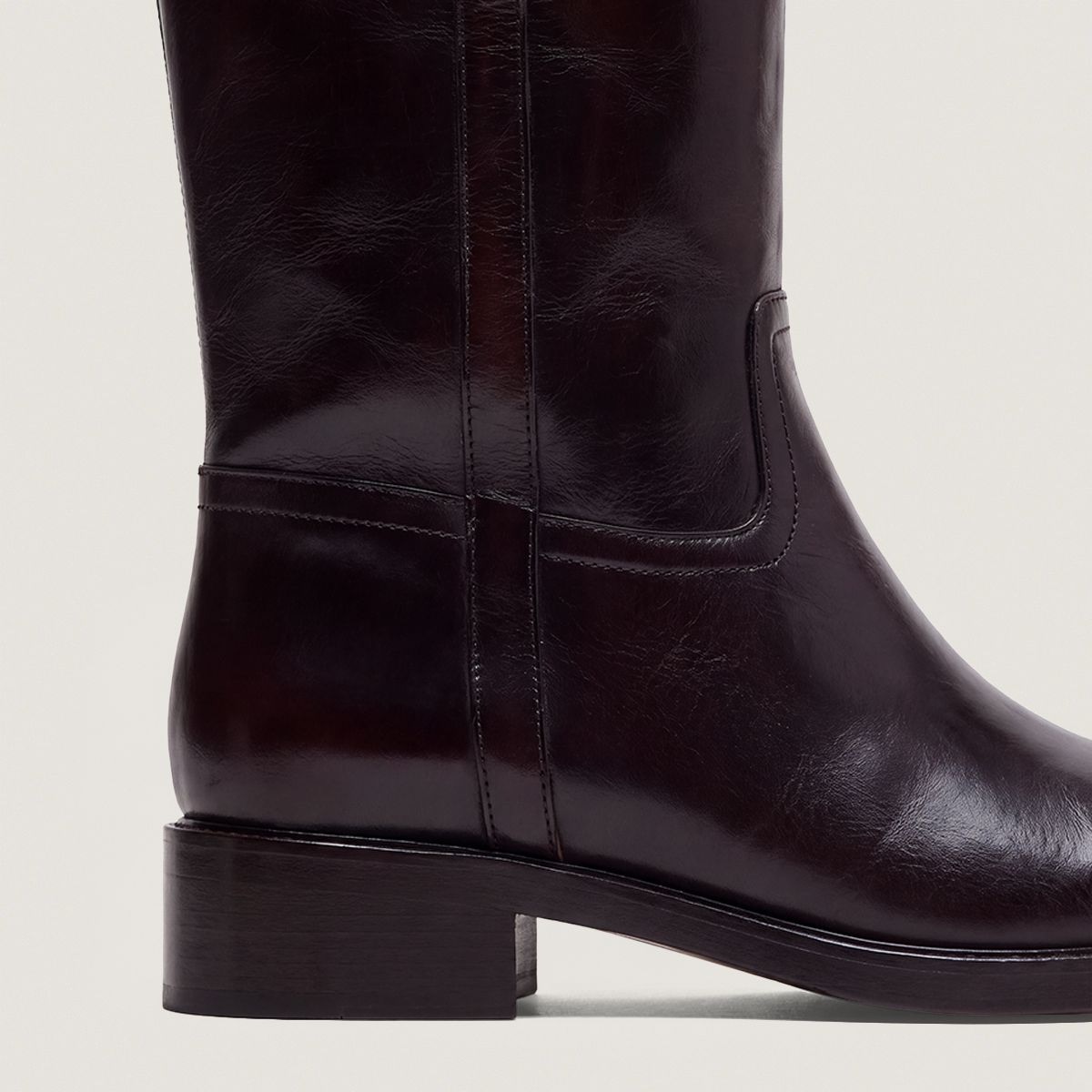
Suede boots
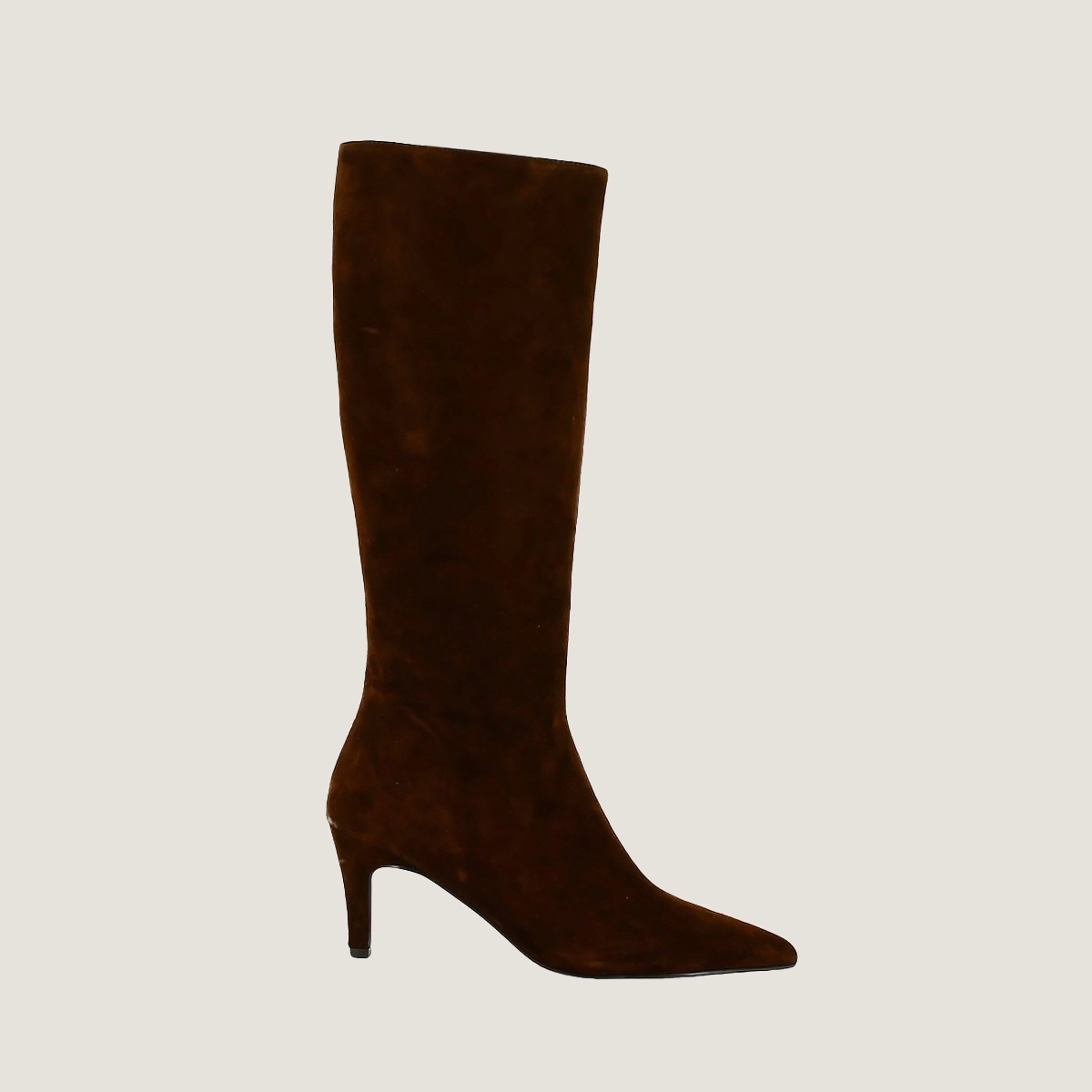
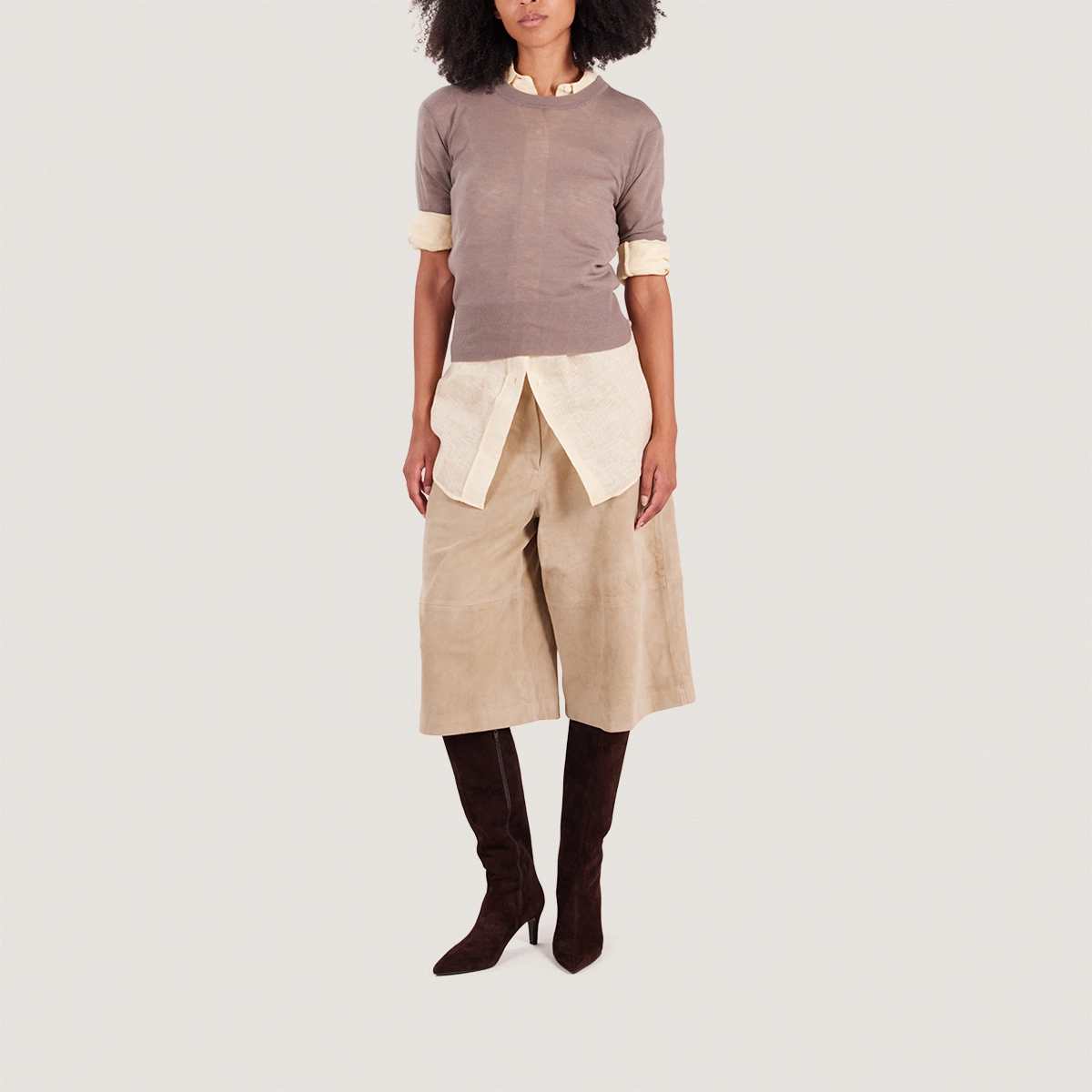
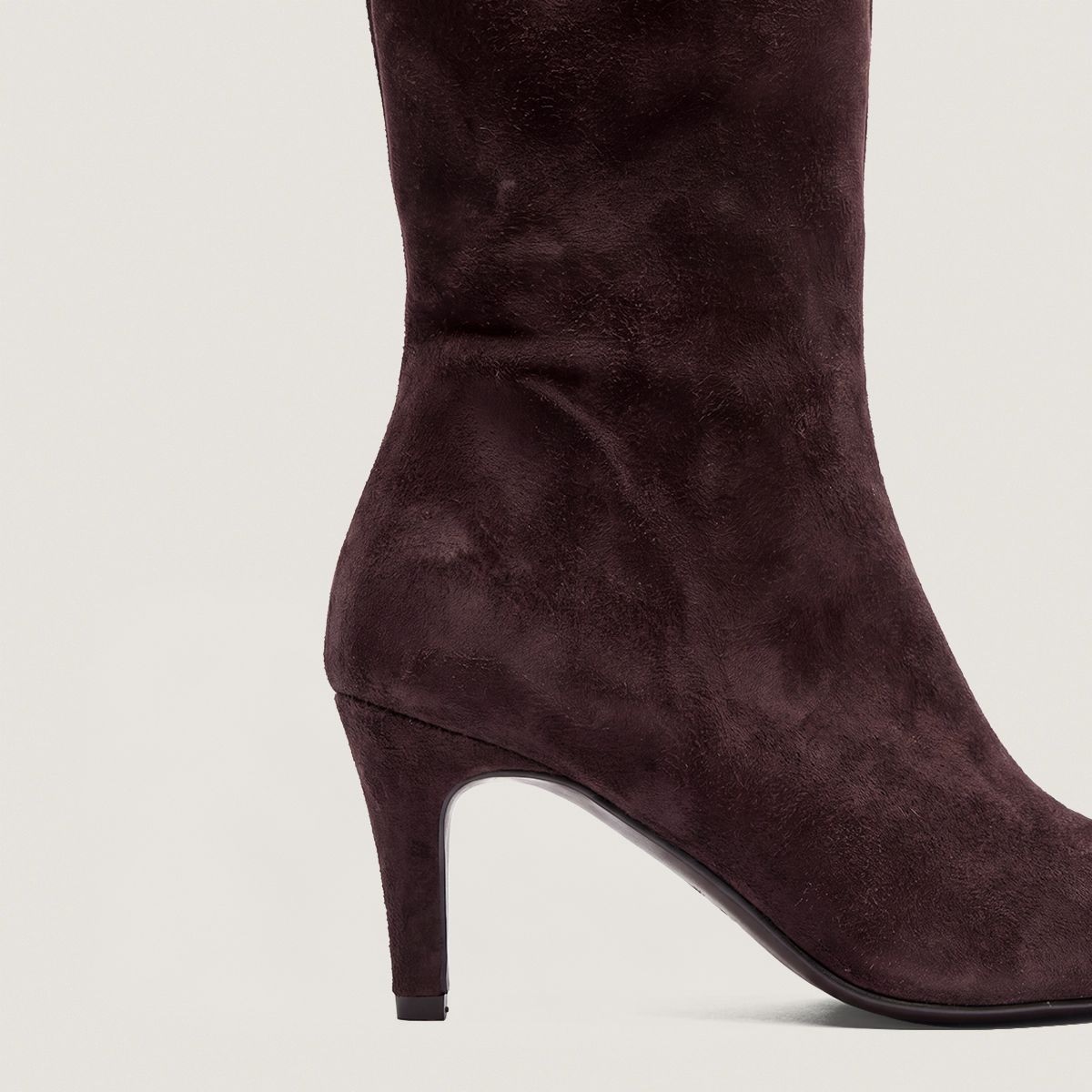
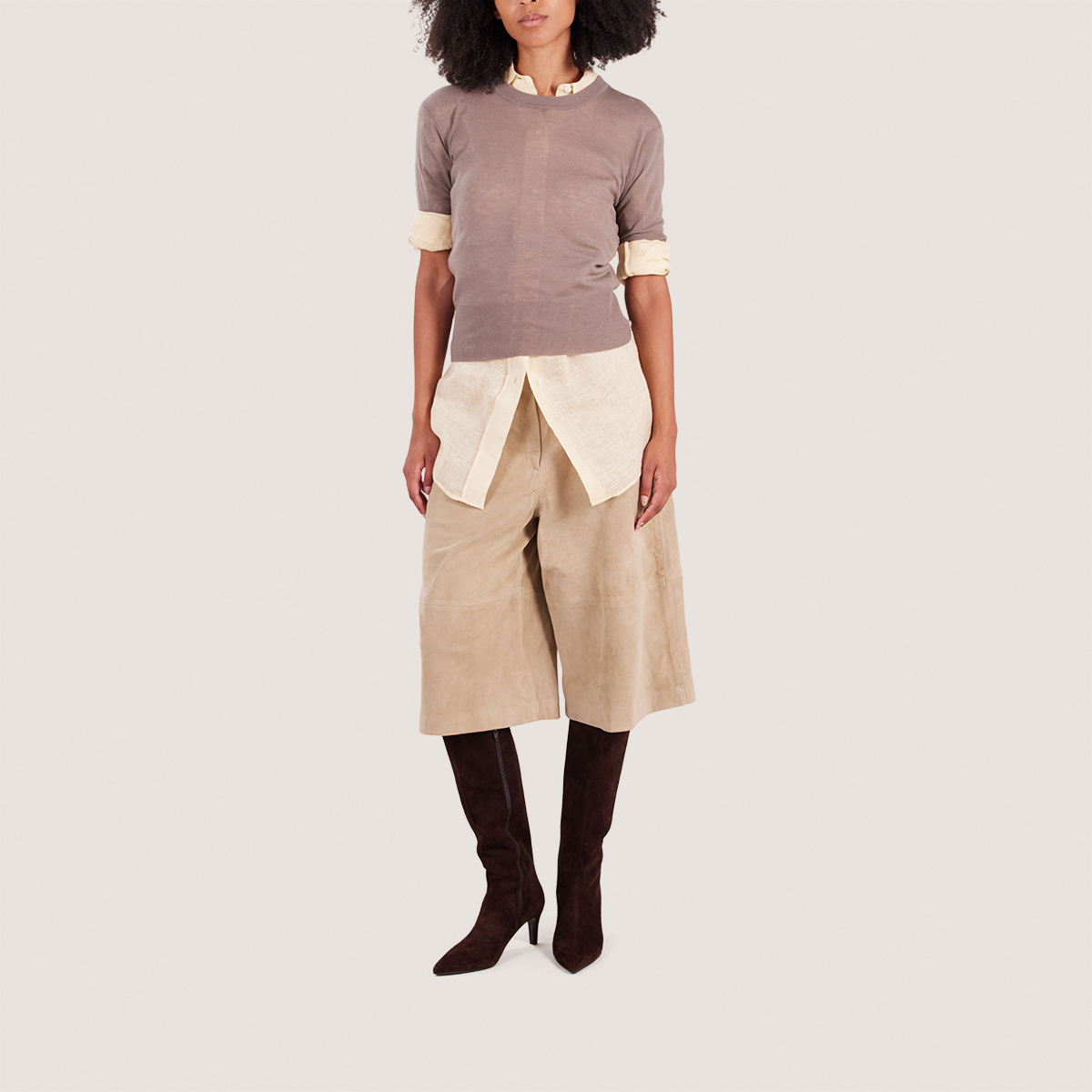
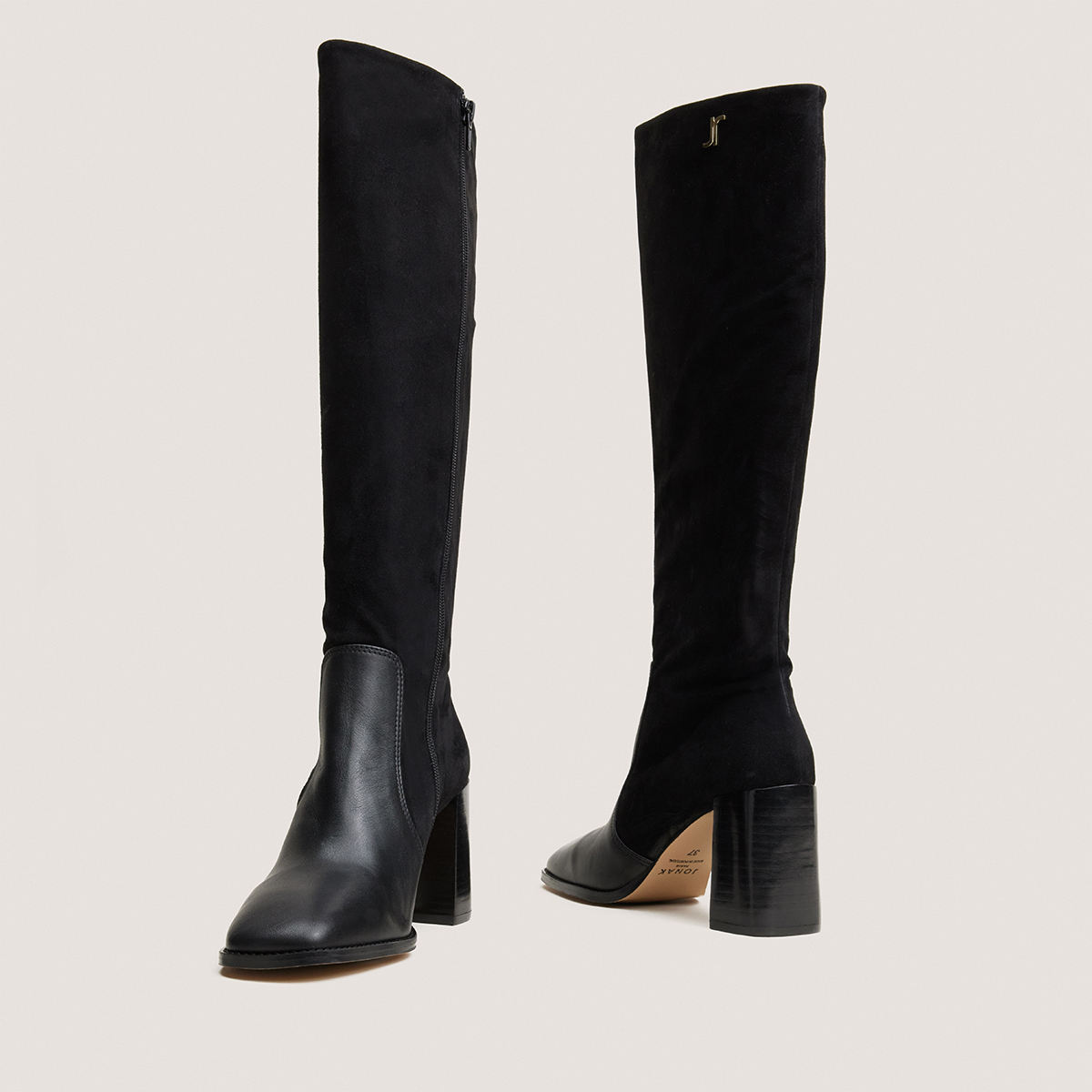
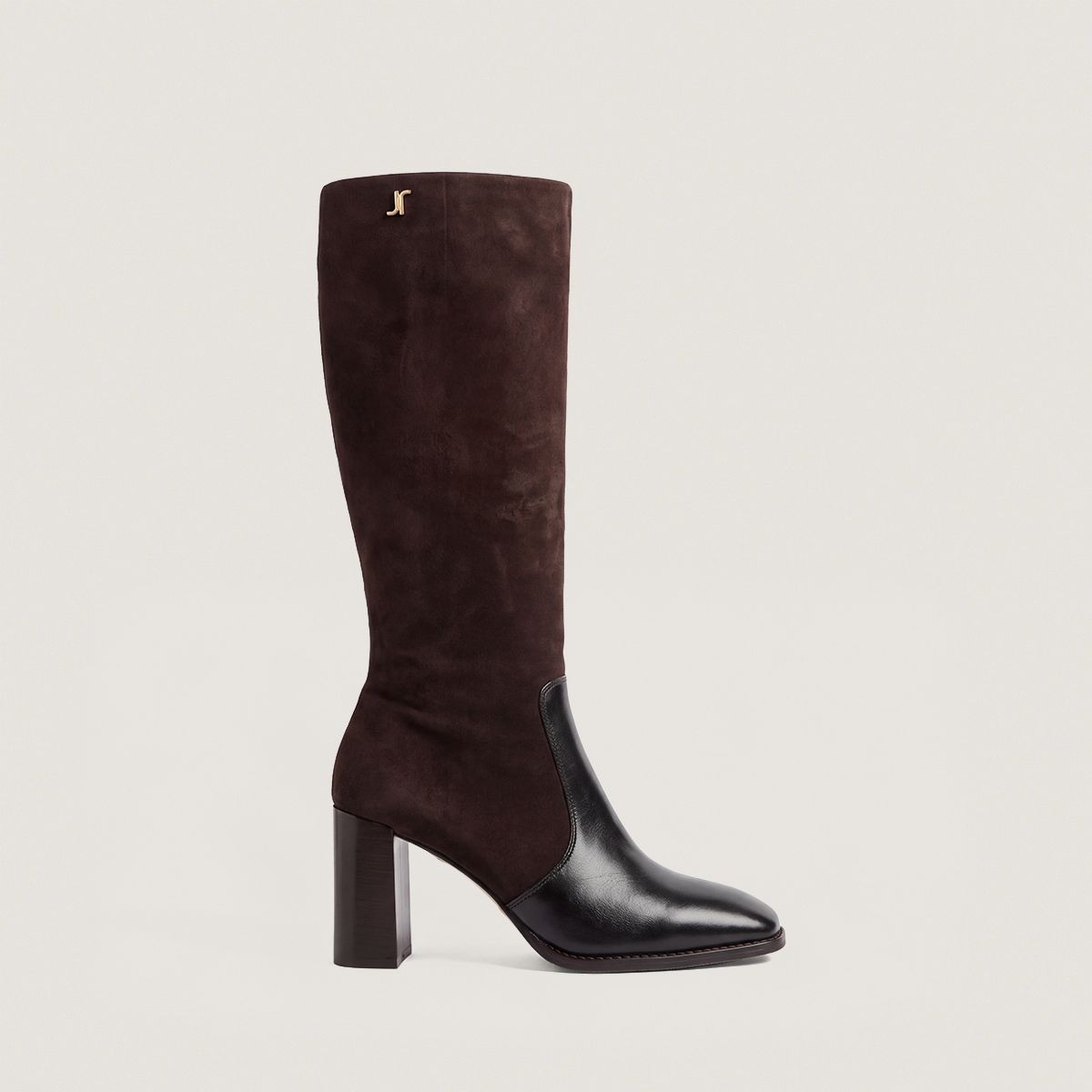
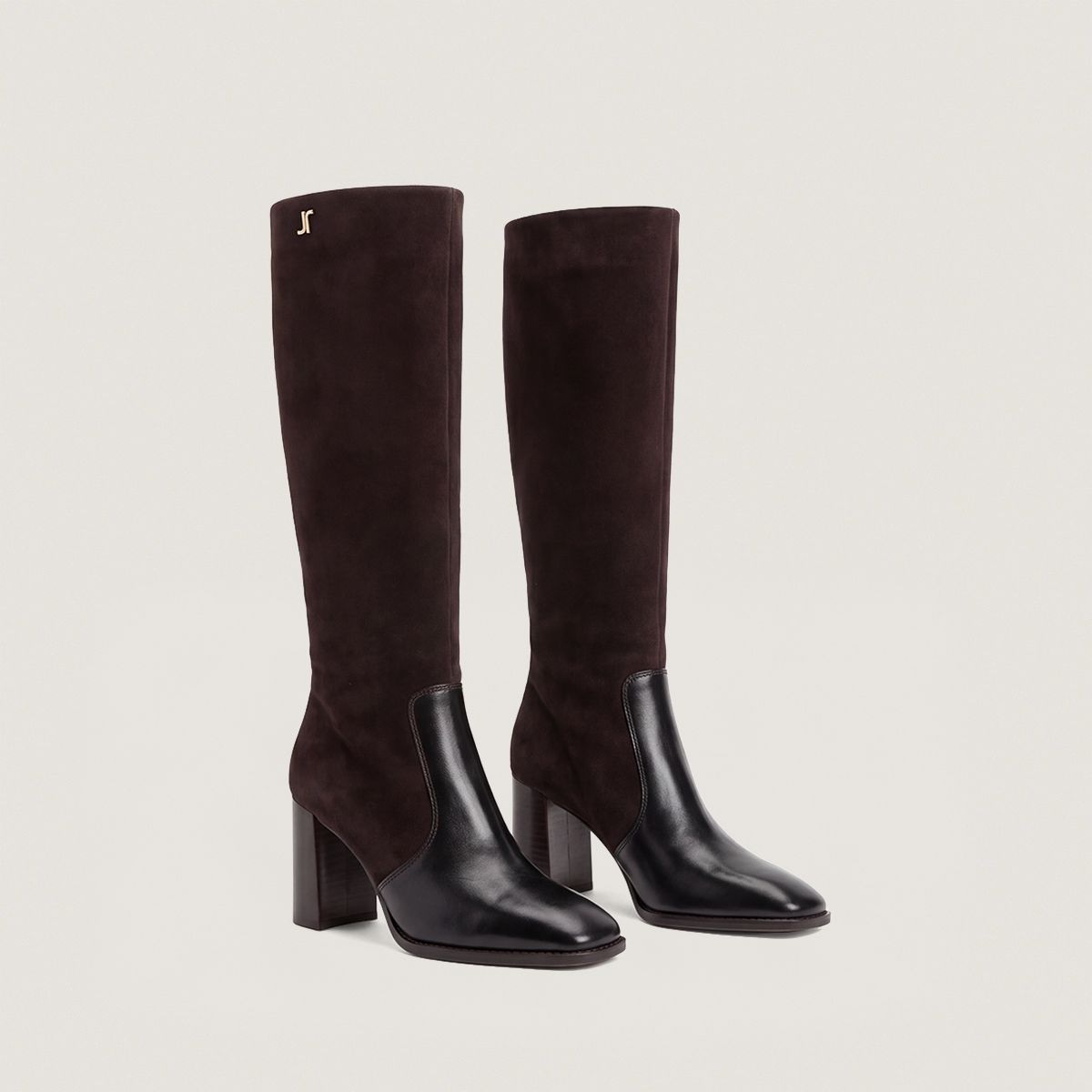
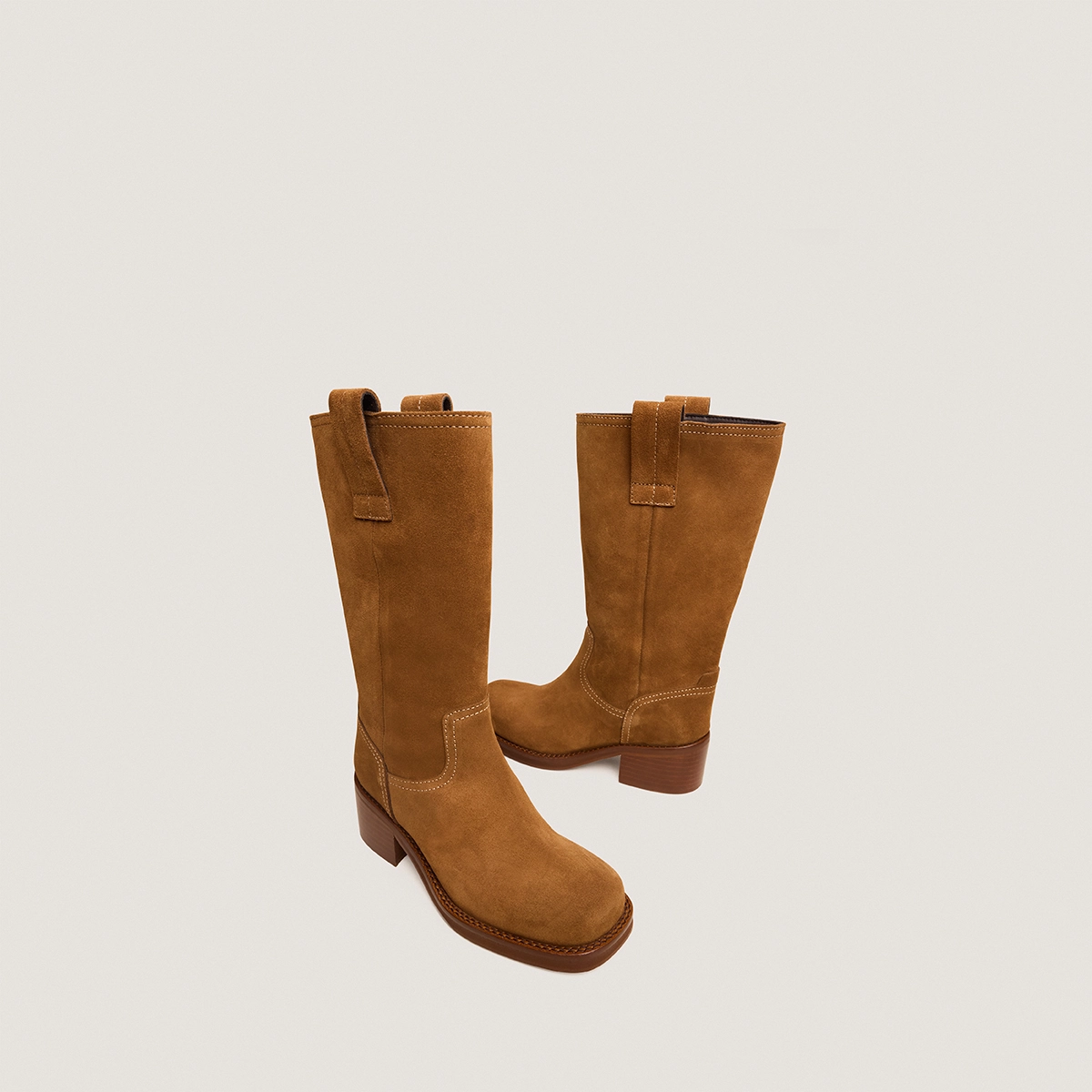
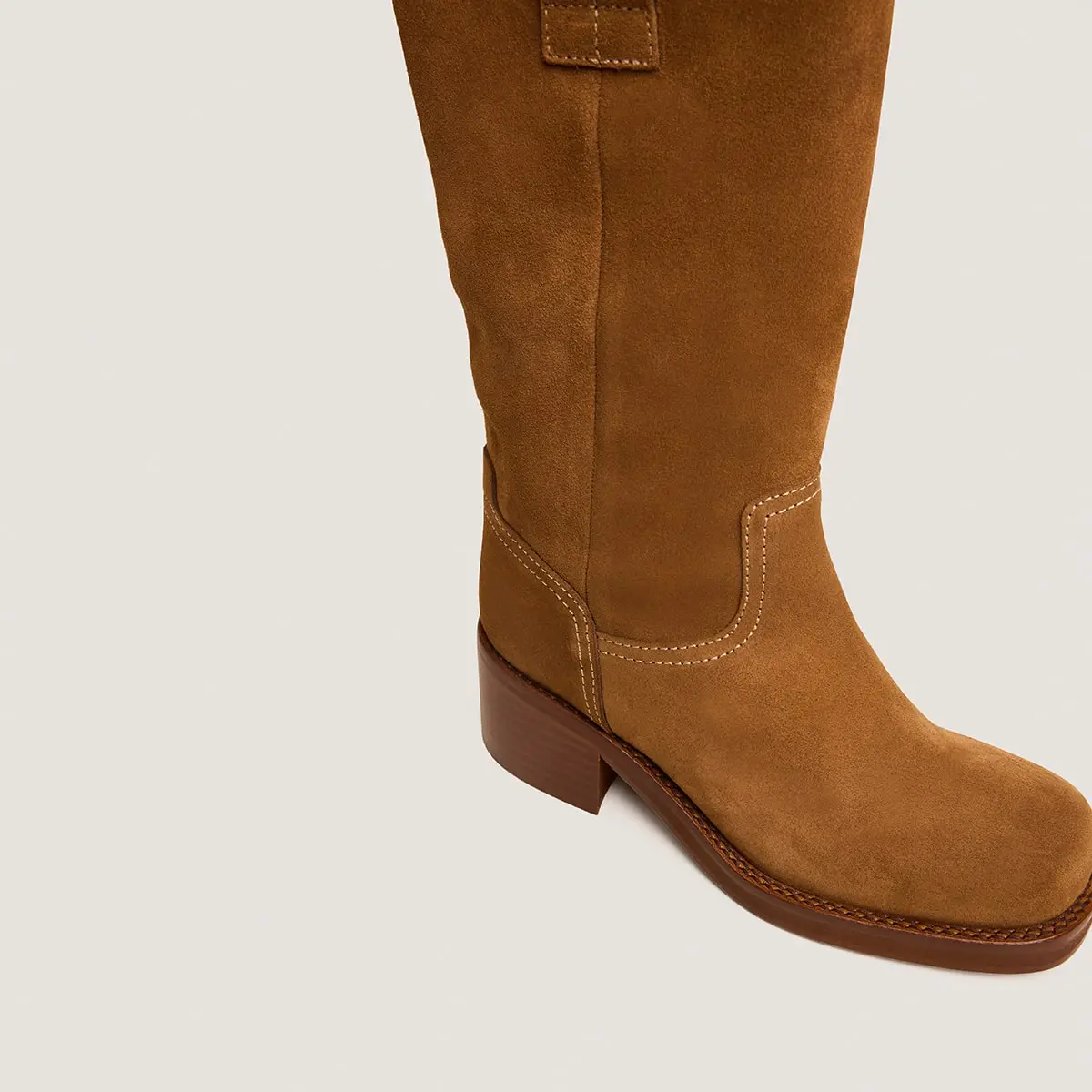
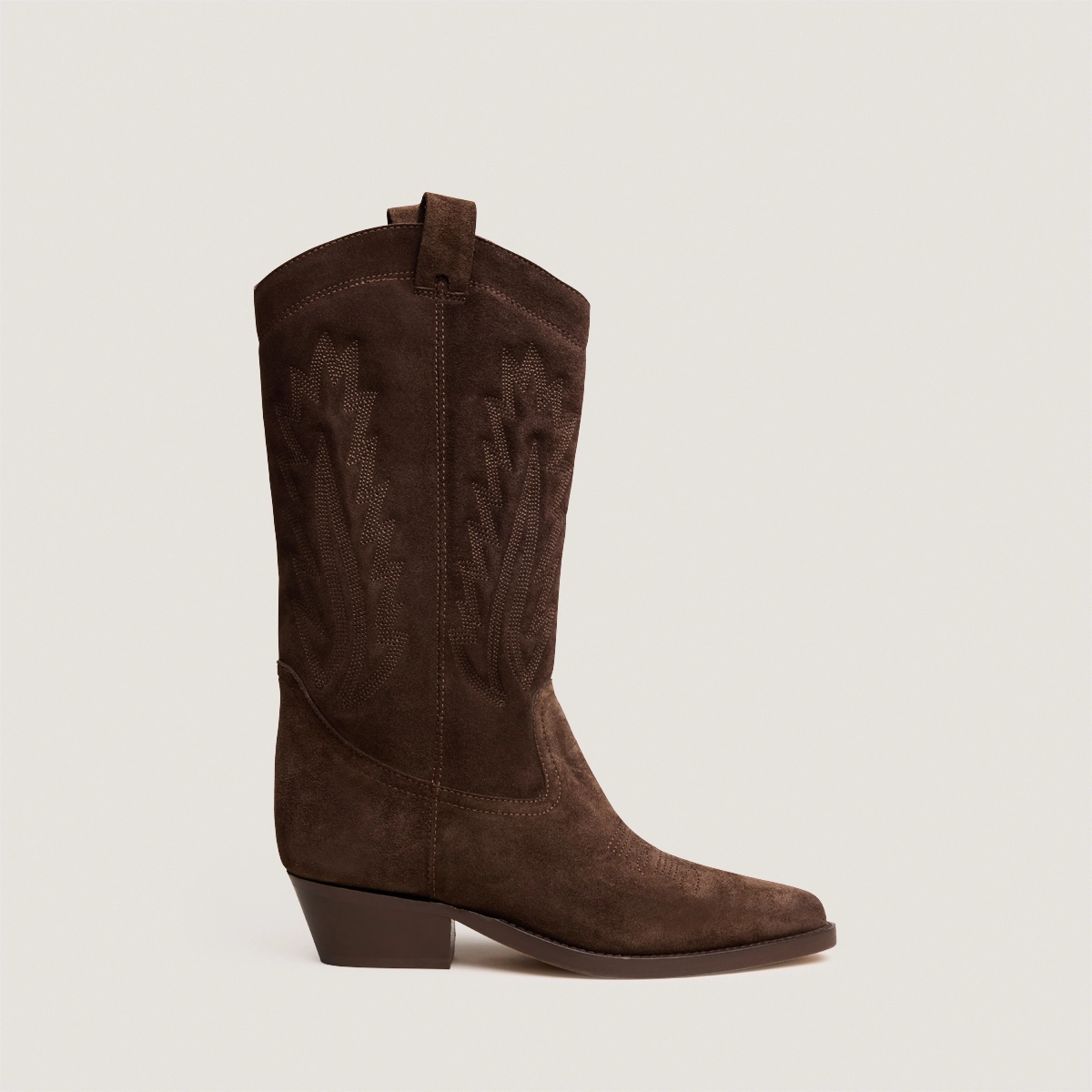
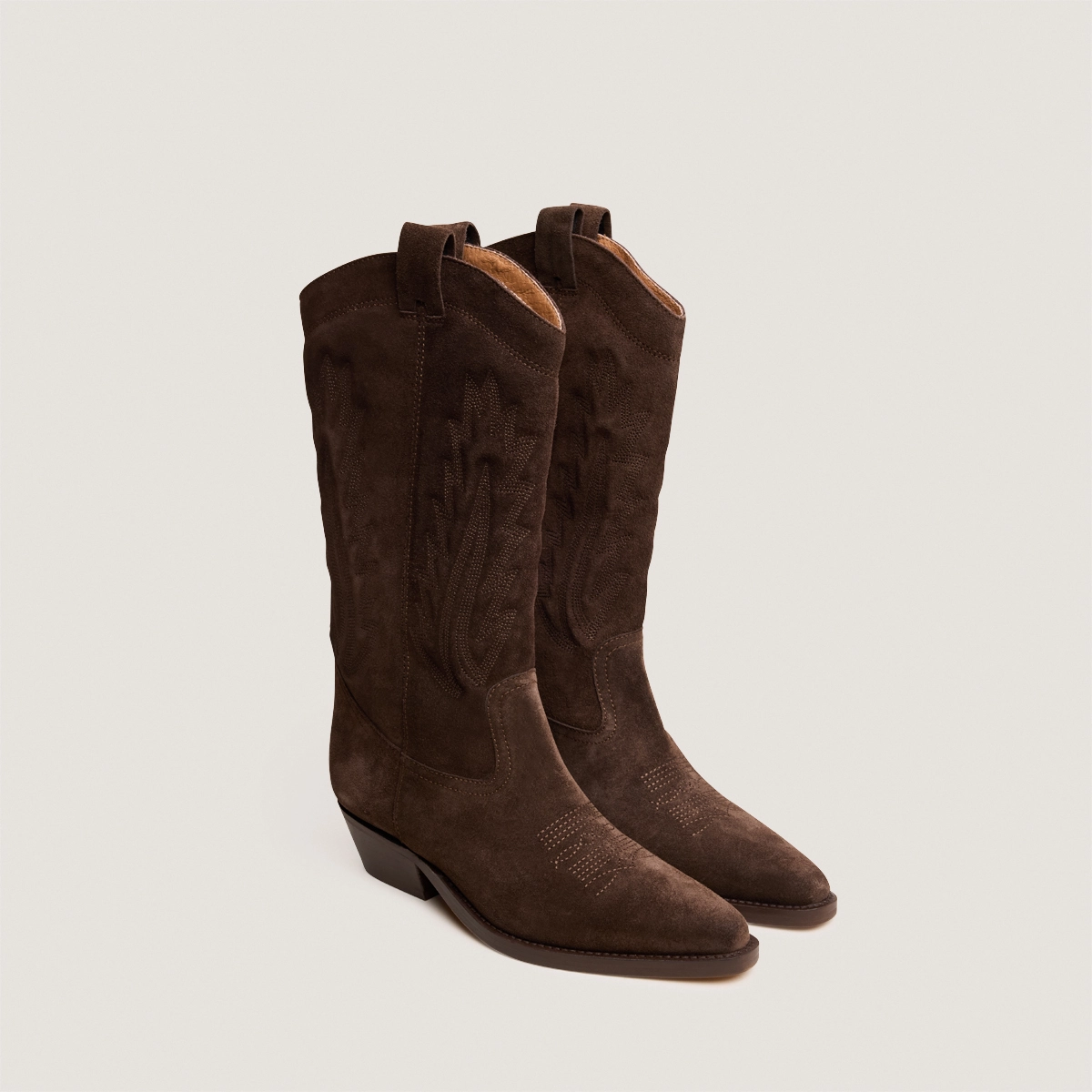
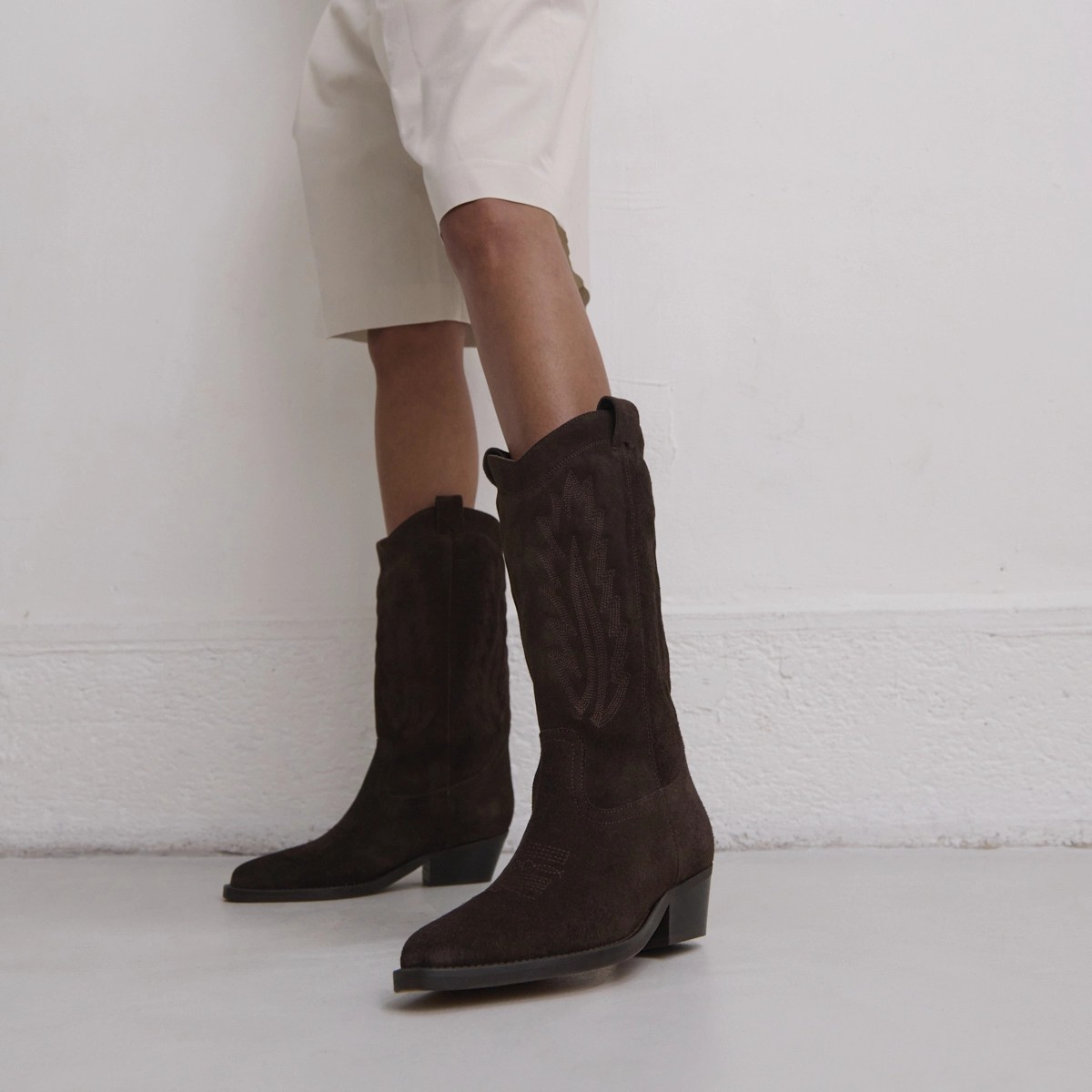
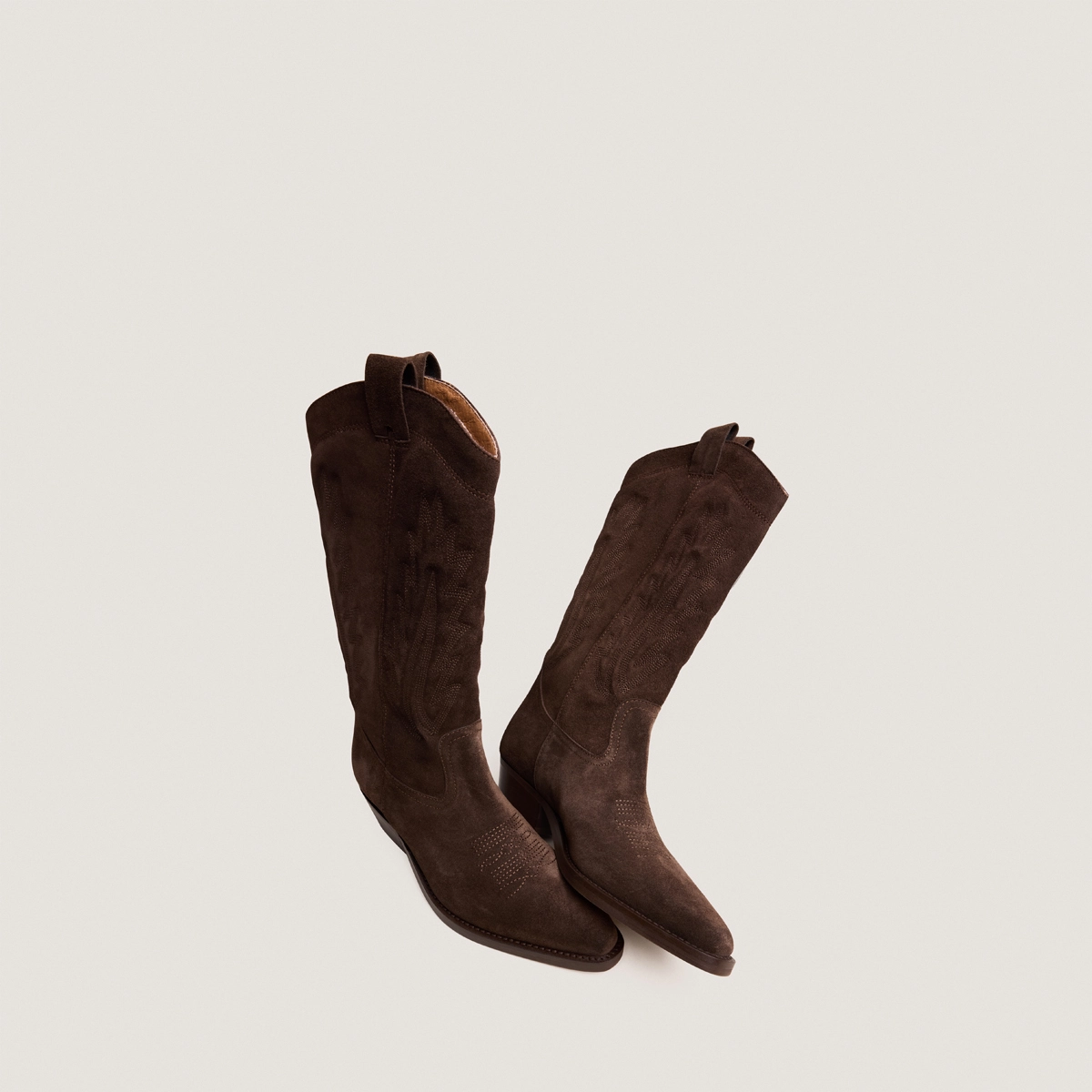
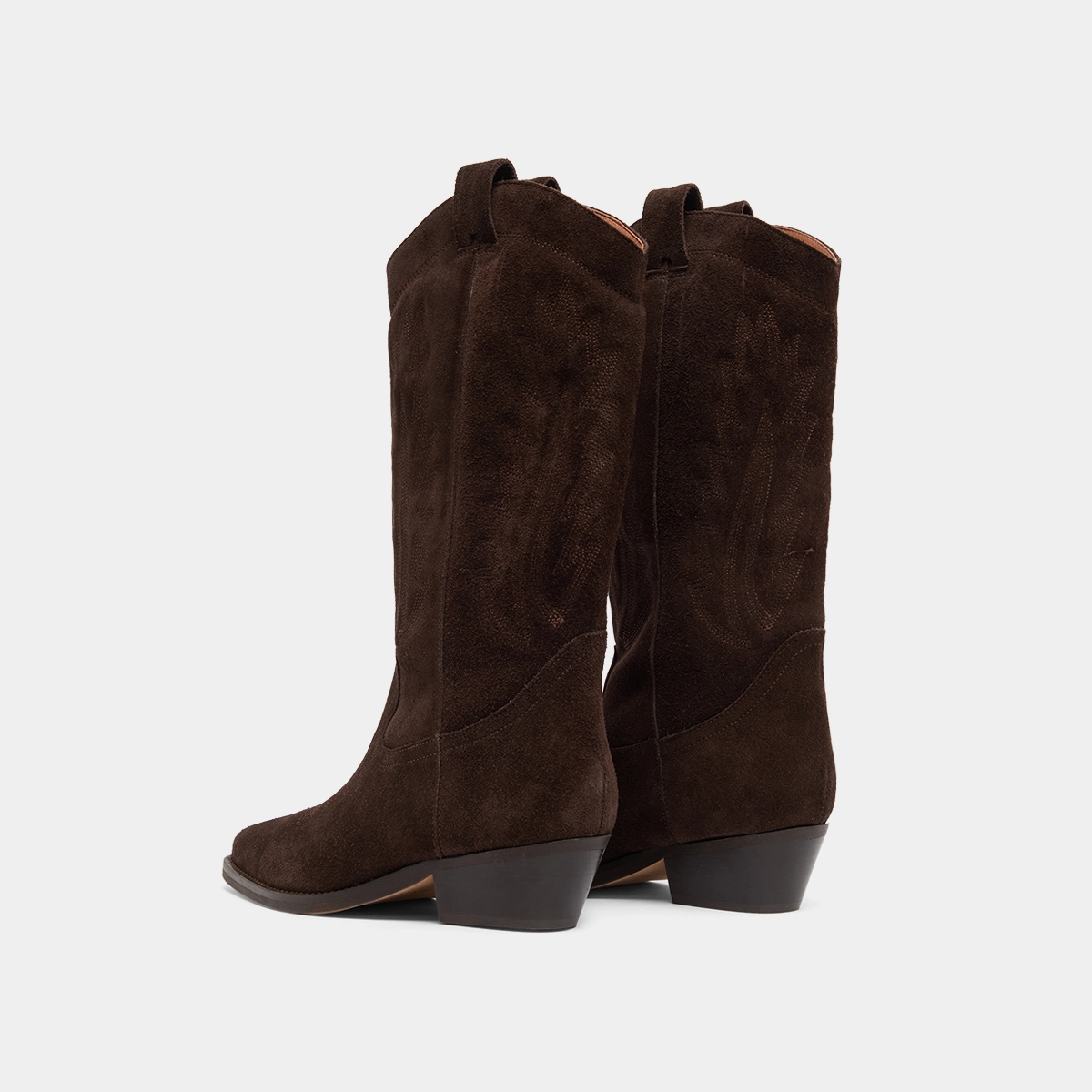
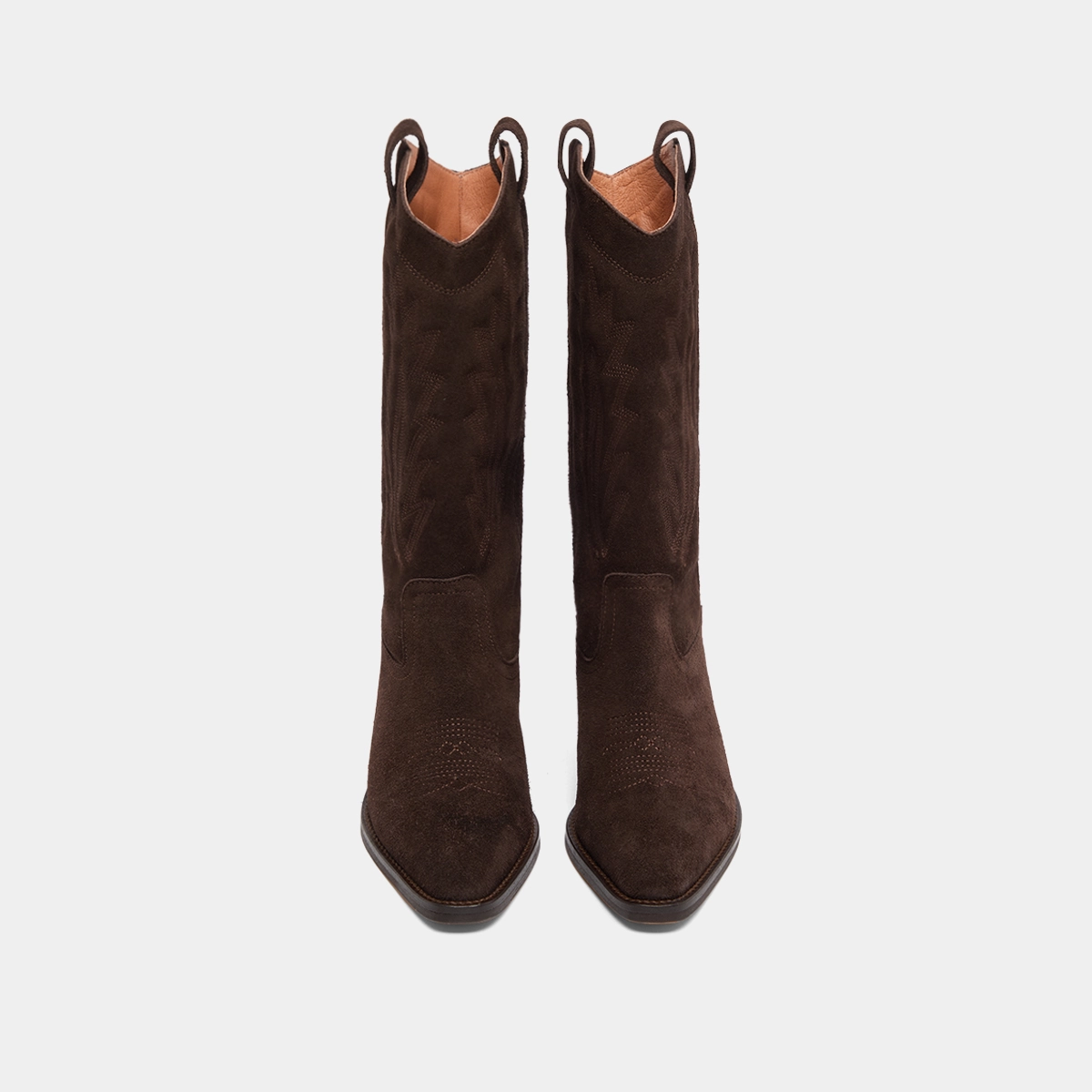
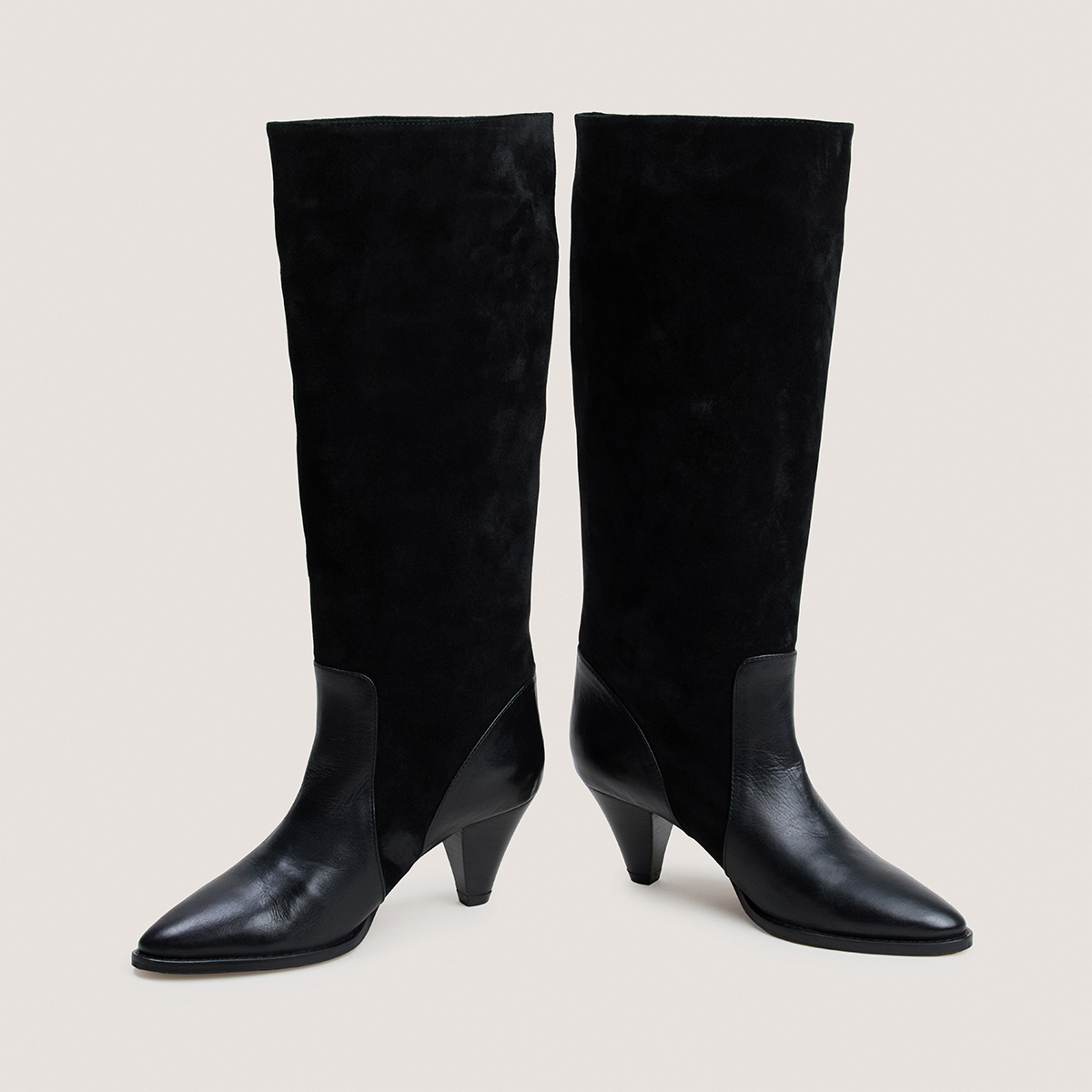
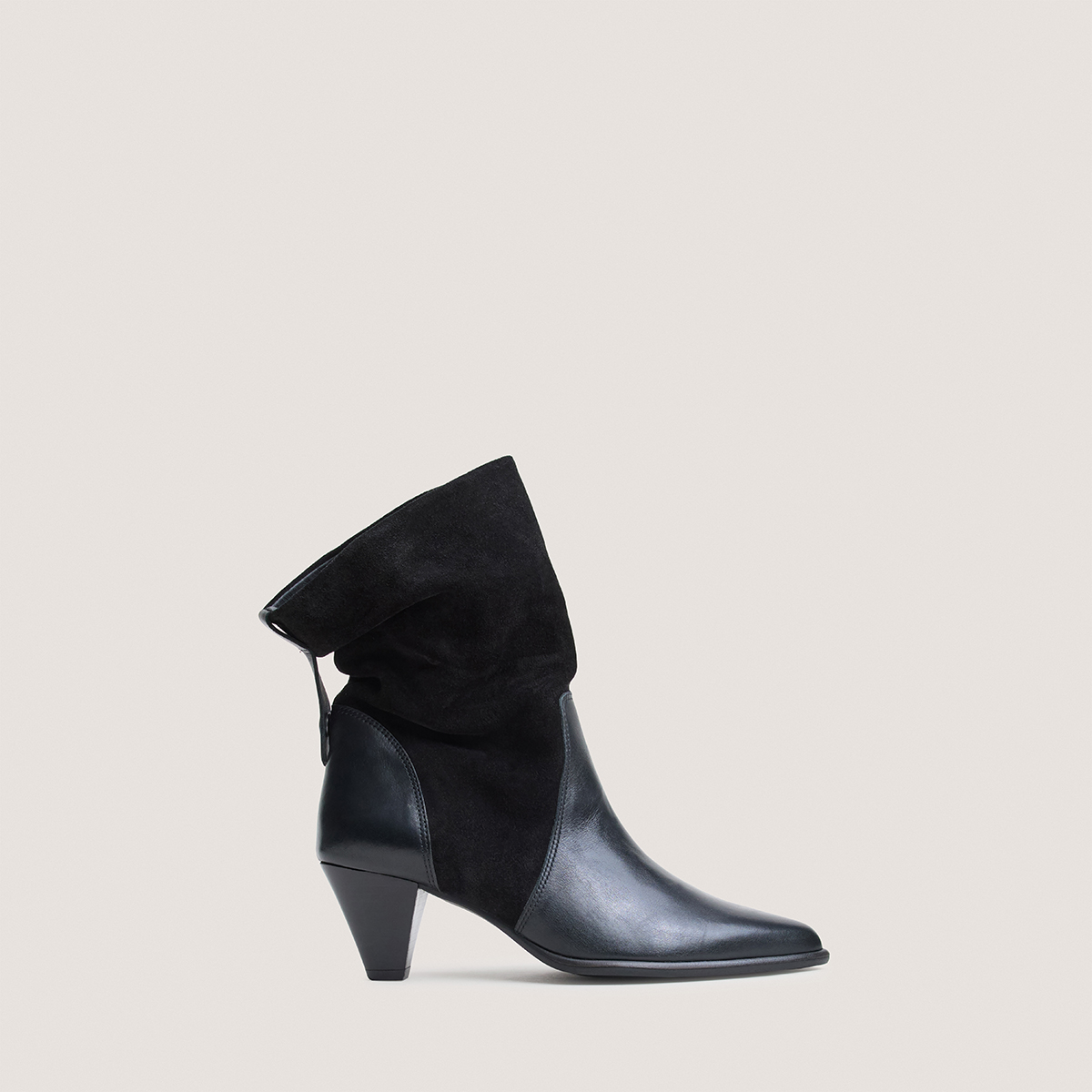
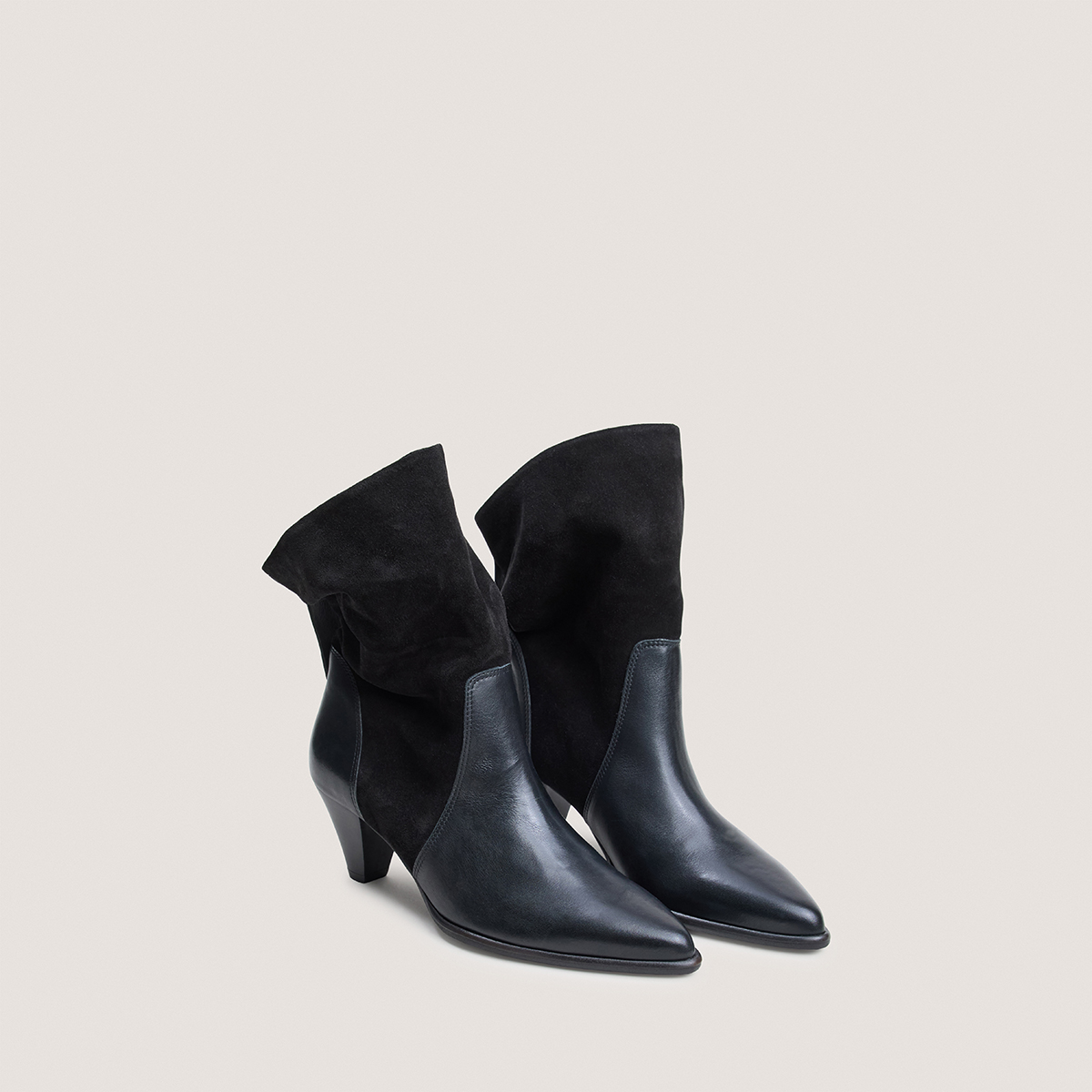
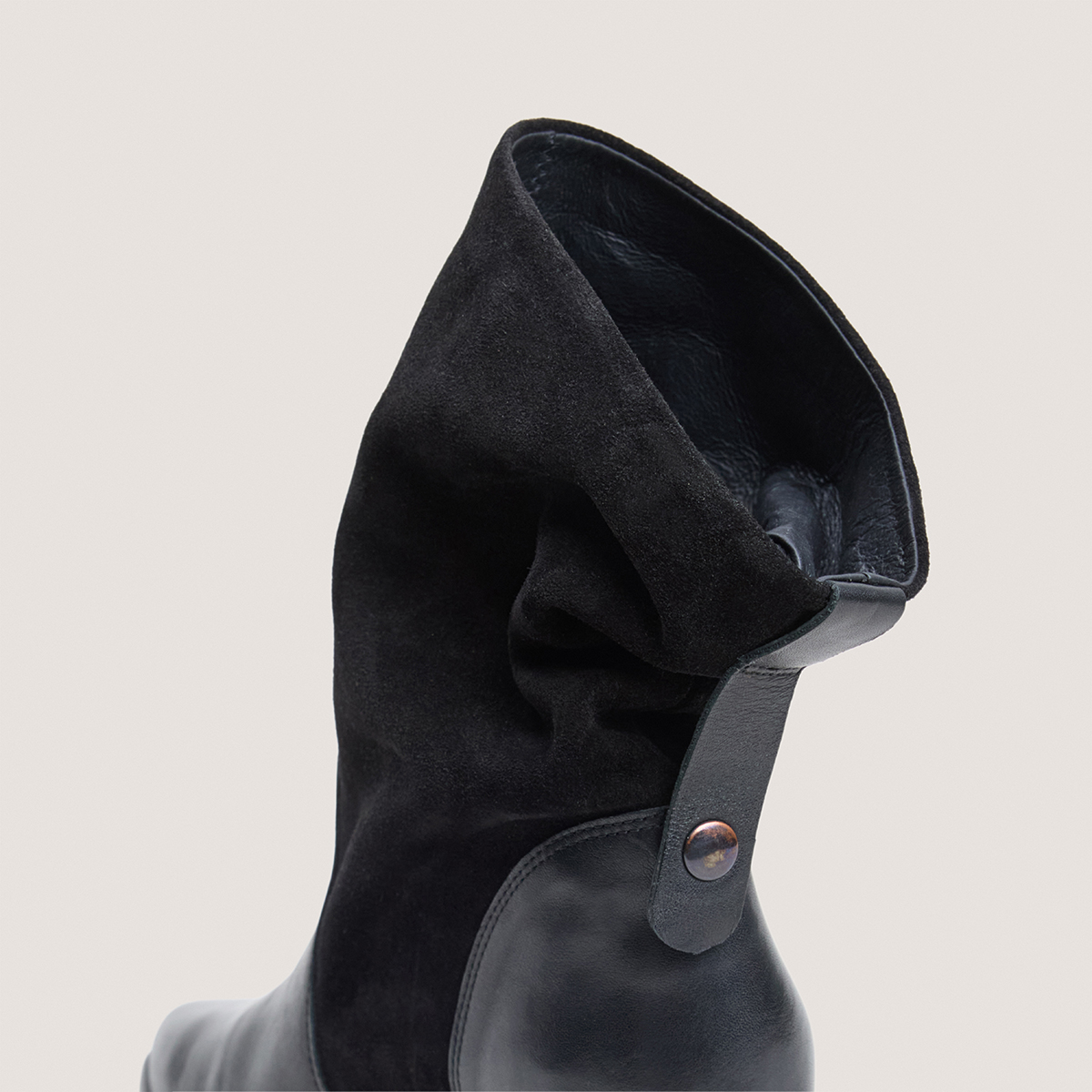
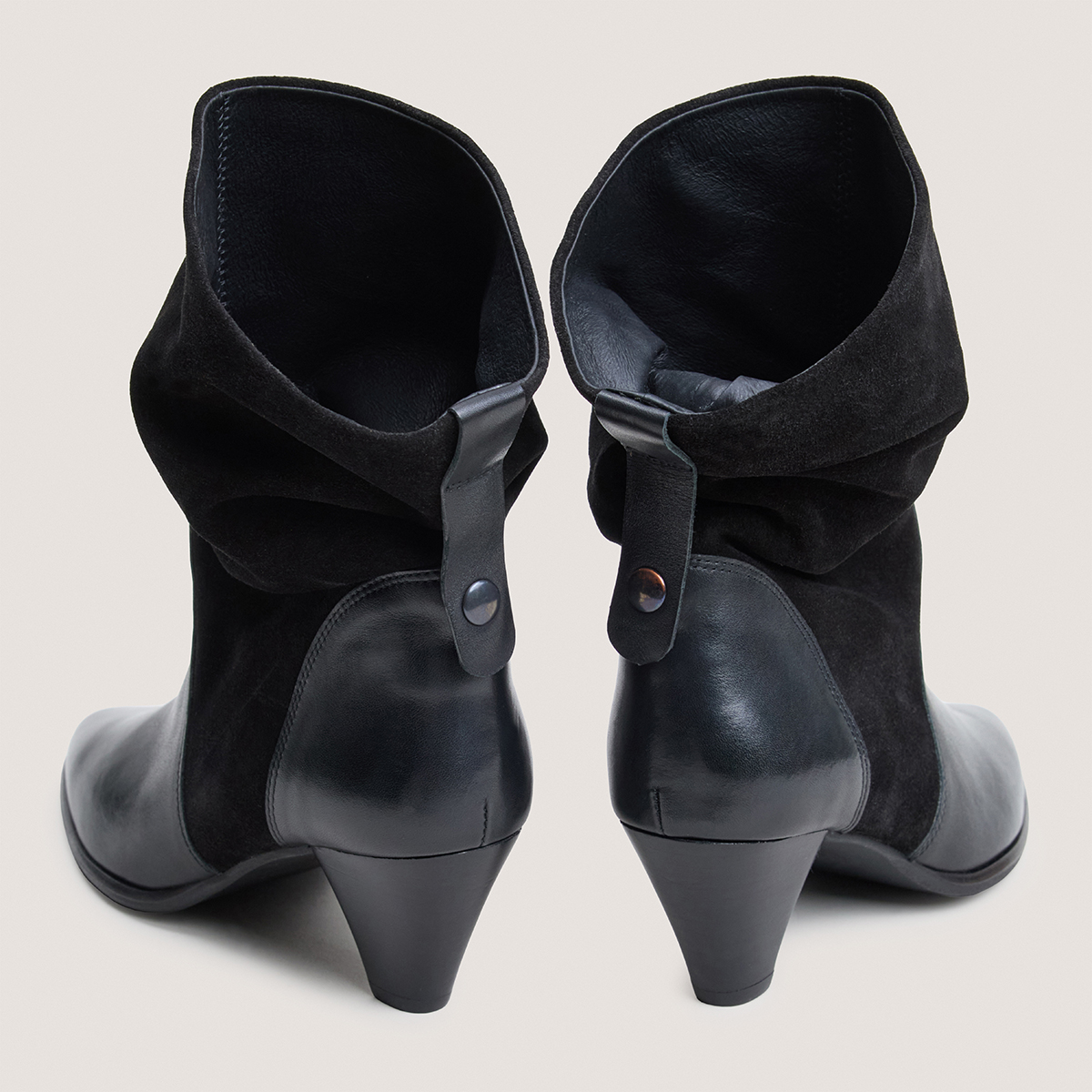
Suede boots add texture and a more distinctive touch to a classic silhouette. Soft to the touch and often in warm tones, they are a natural choice from the first days of fall. They are best worn on dry days. To enjoy them in wetter weather as well, discover our care advice later in this guide.


Split leather boots
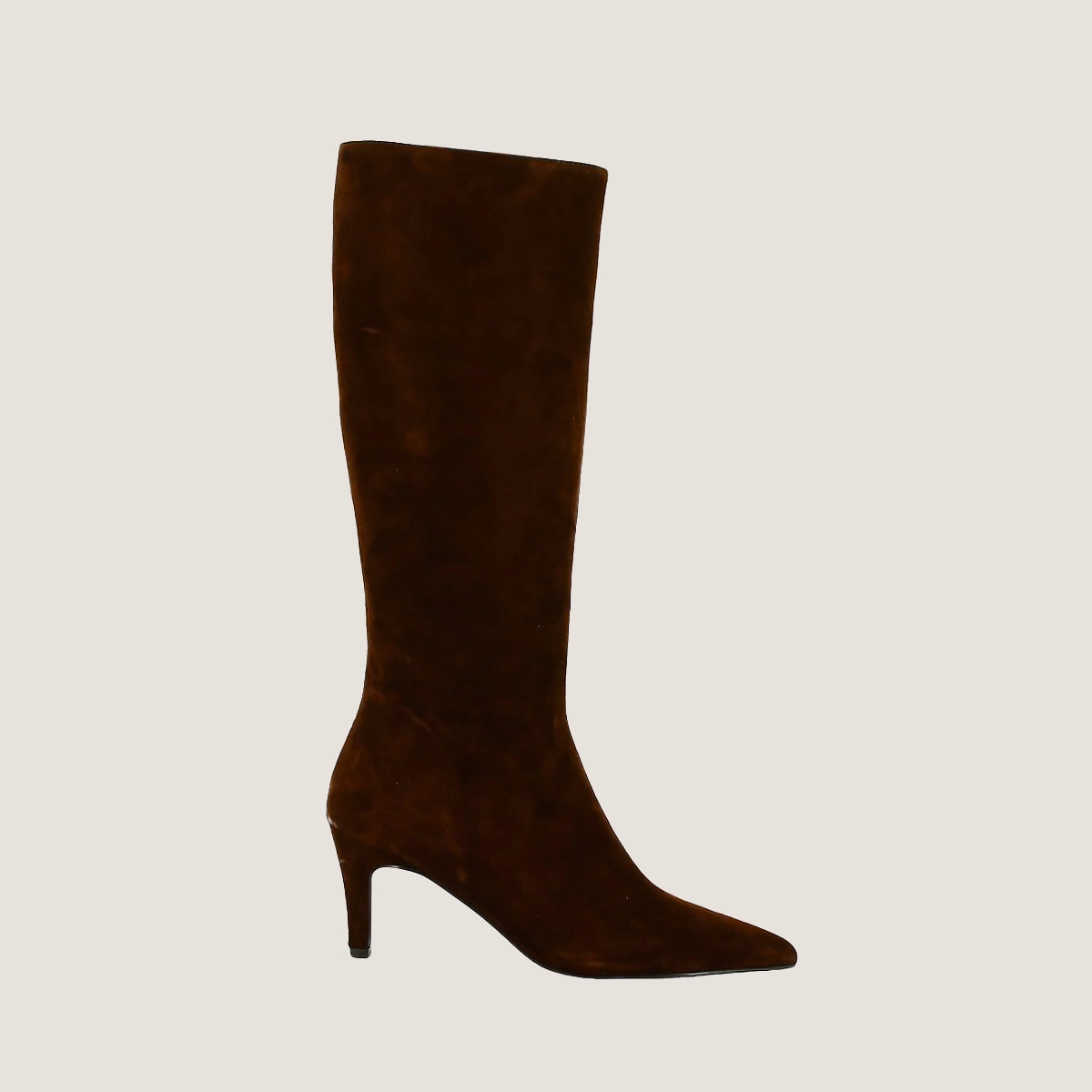
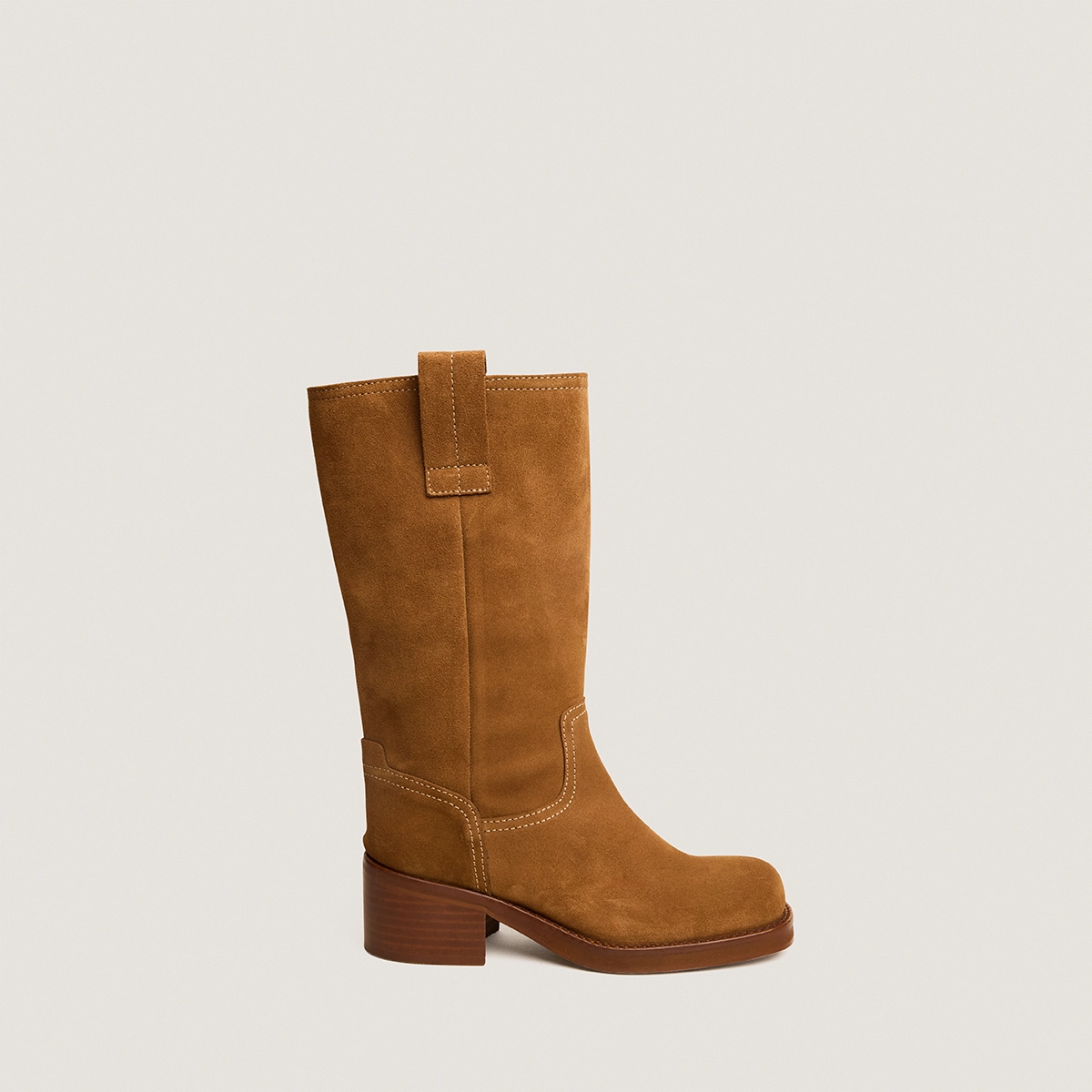
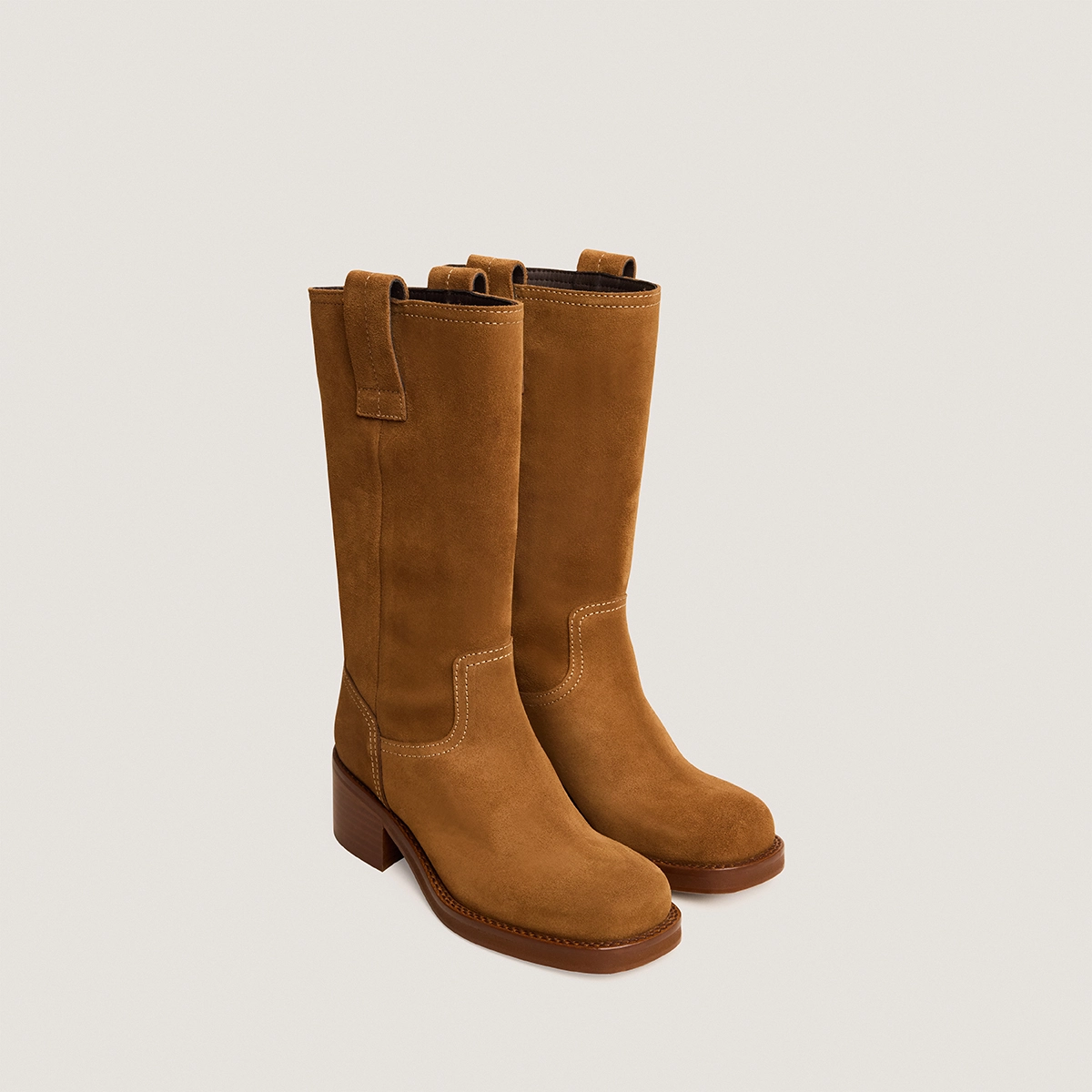
Split leather has a velvety finish, much like suede. Its matte texture brings out the lines of riding boots and the details of western-inspired styles. Like suede, it is best worn on dry days, or once it has been carefully protected.
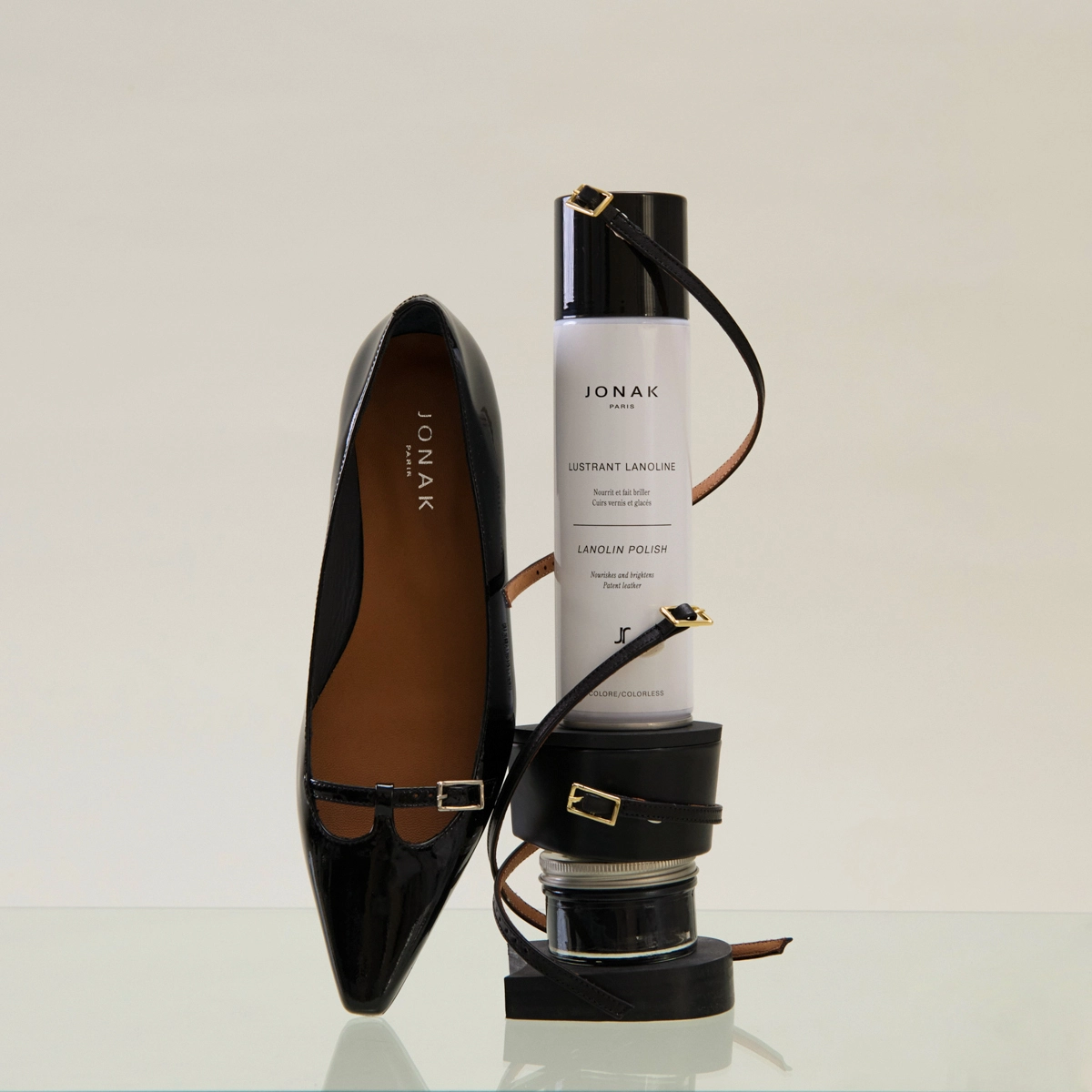
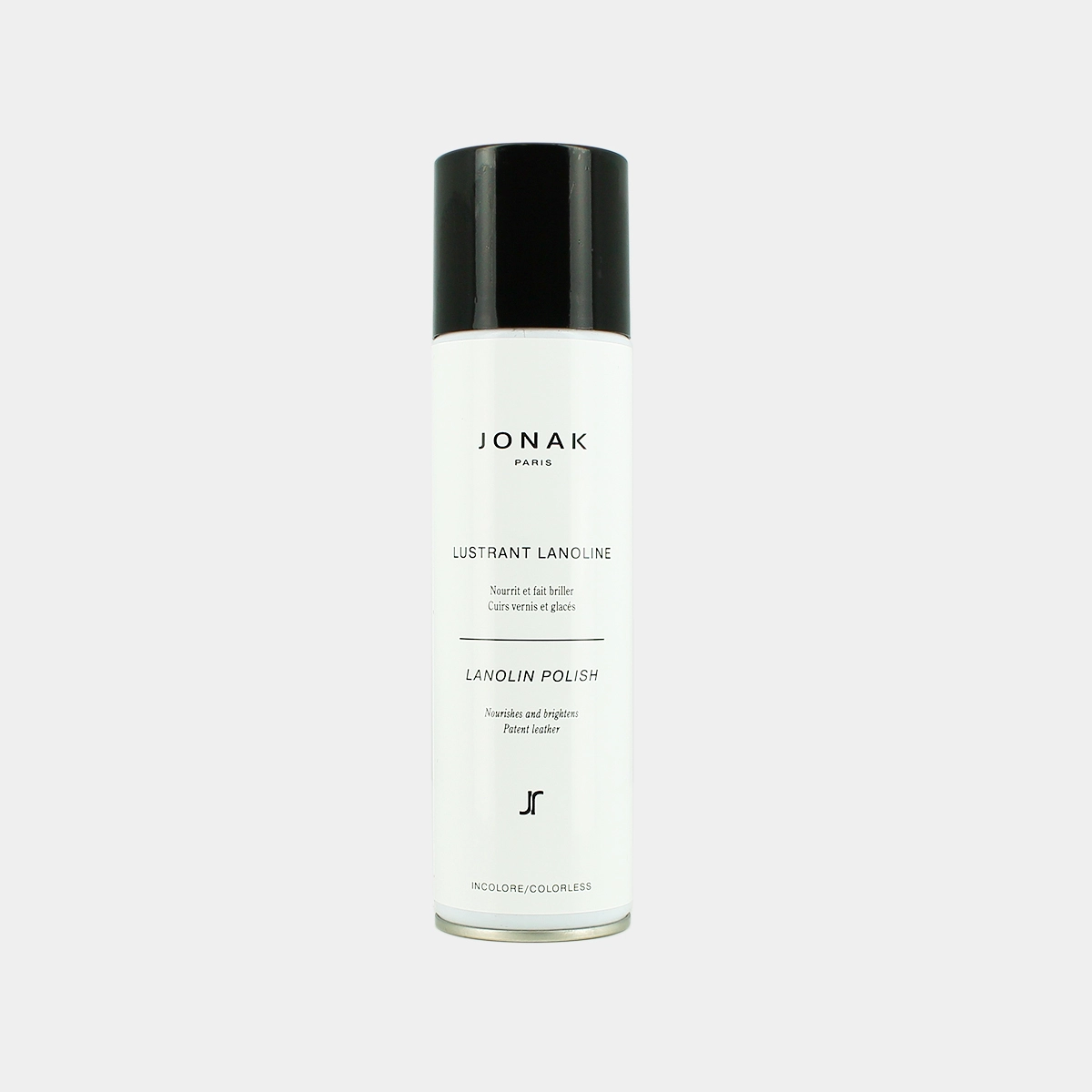
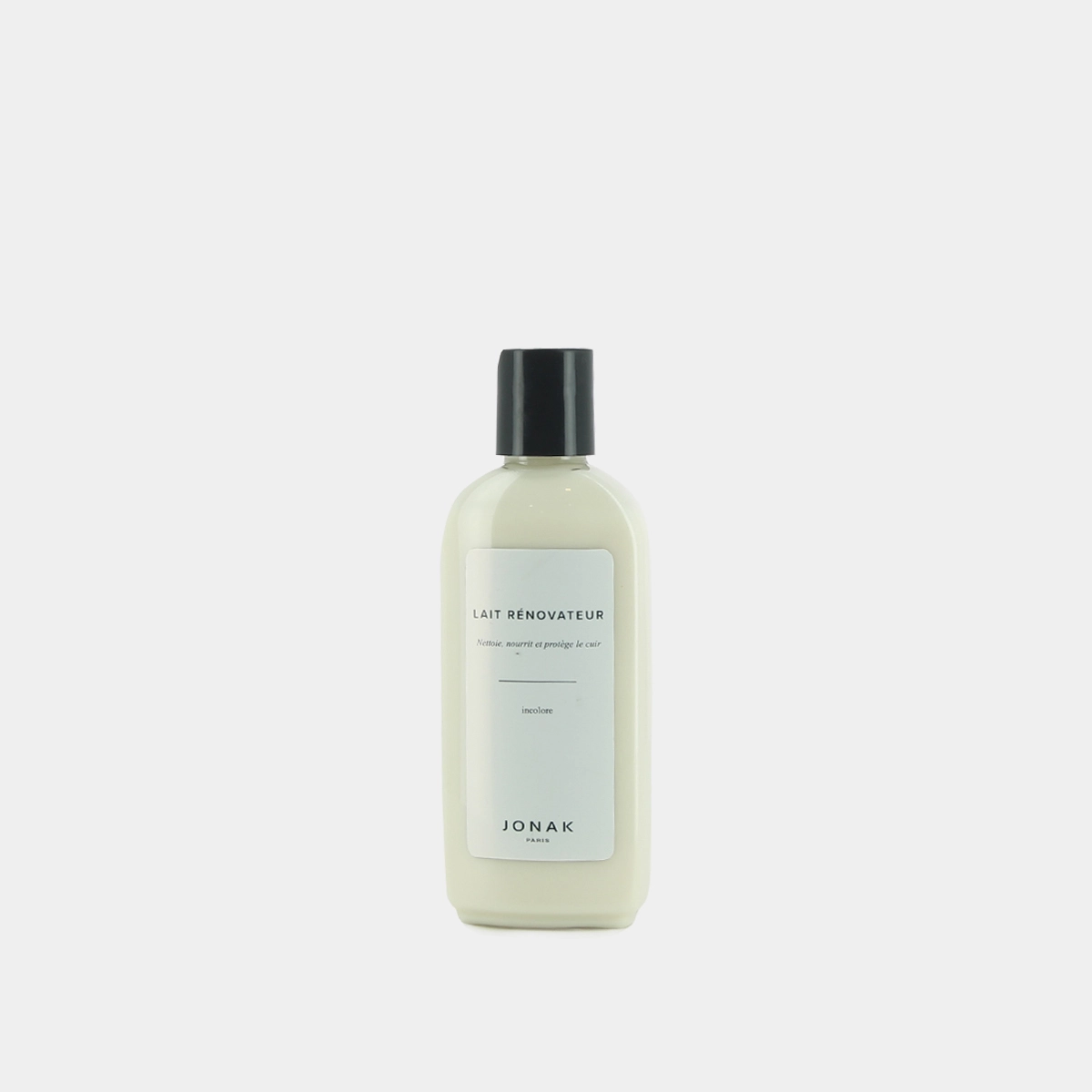
How to care for your boots by material
| Material | Care routine | After the rain |
|---|---|---|
| Smooth or grained leather |
|
Dry naturally, away from radiators, with boot shapers, then apply a little nourishing lotion |
| Patinated leather |
|
Dry naturally, away from radiators, with boot shapers, then apply a little nourishing lotion |
| Suede or split leather |
|
Dry naturally, away from any heat source, then brush gently |
How to care for soles and heels
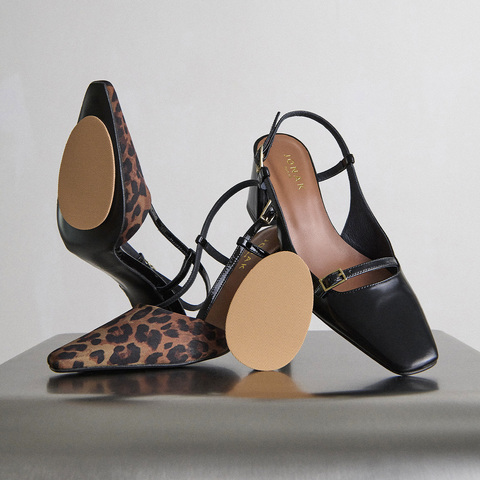
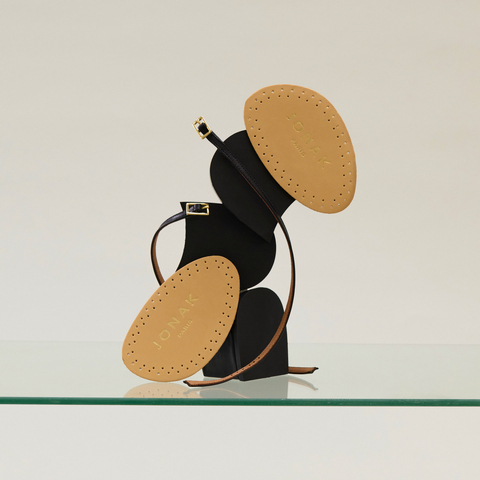
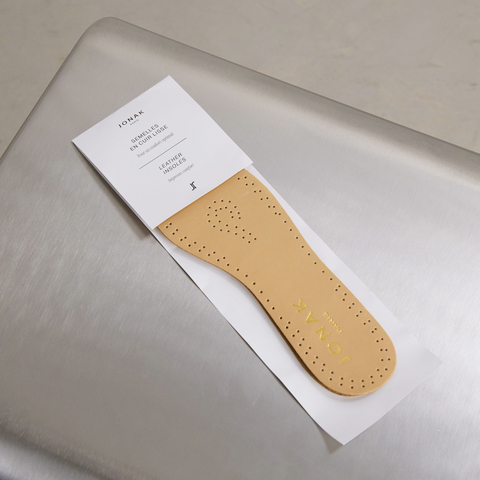
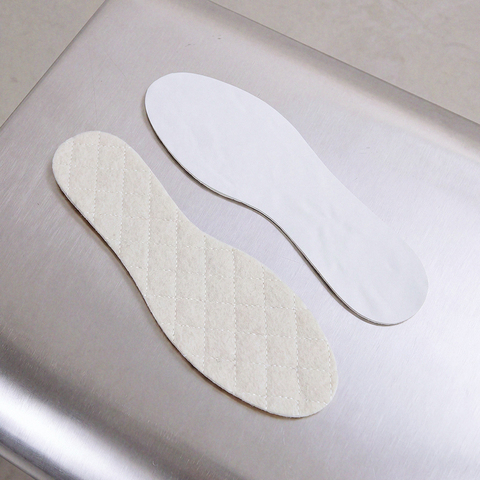
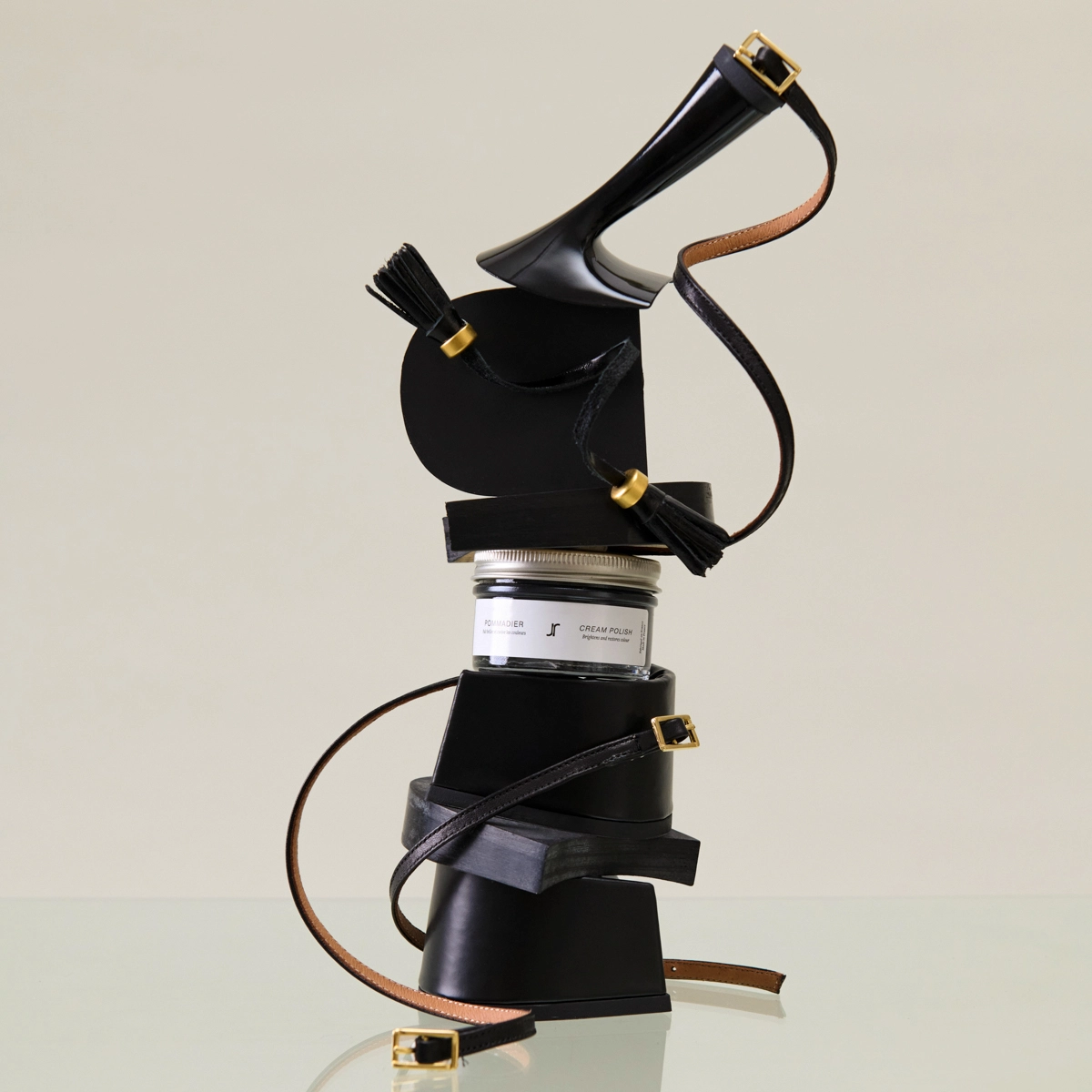
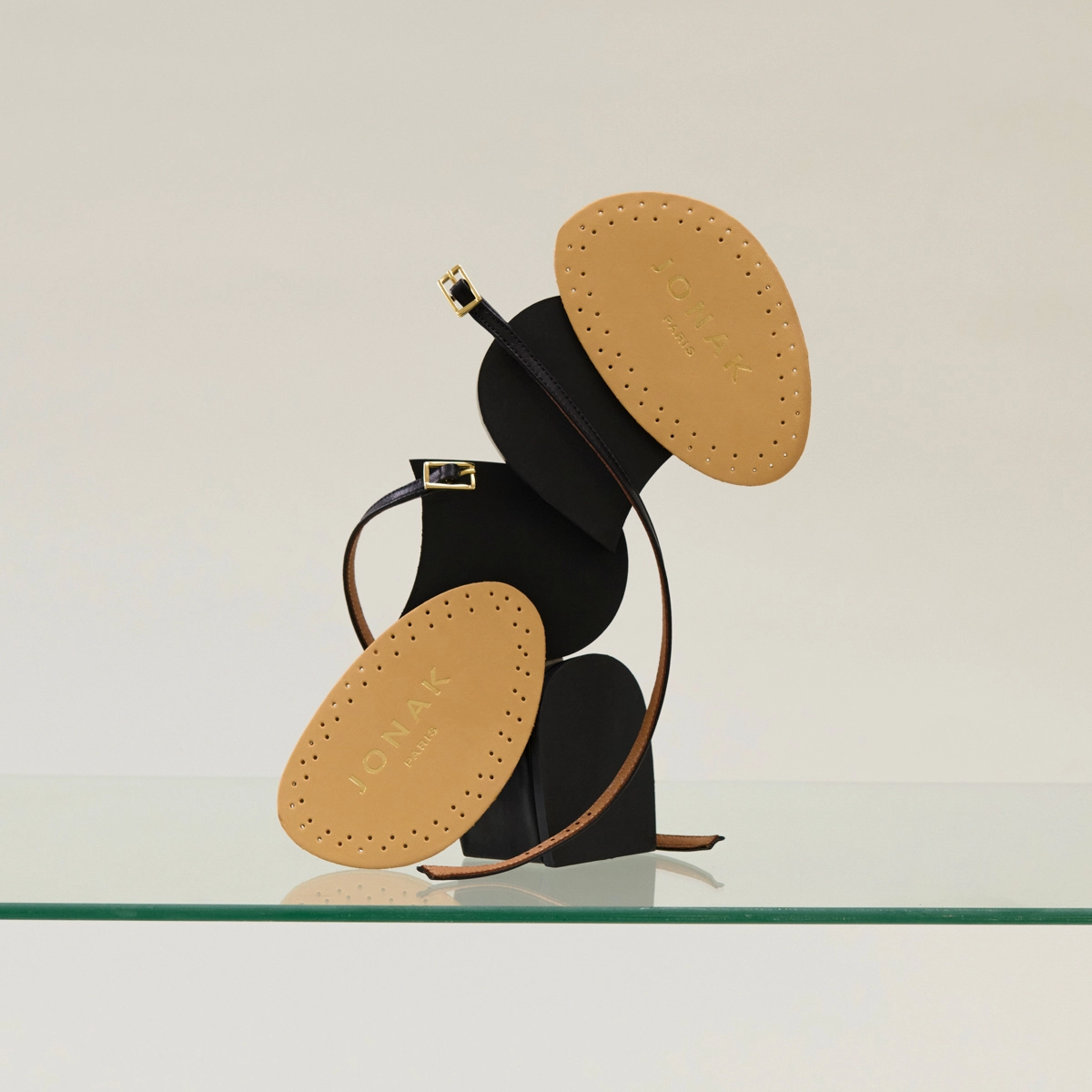
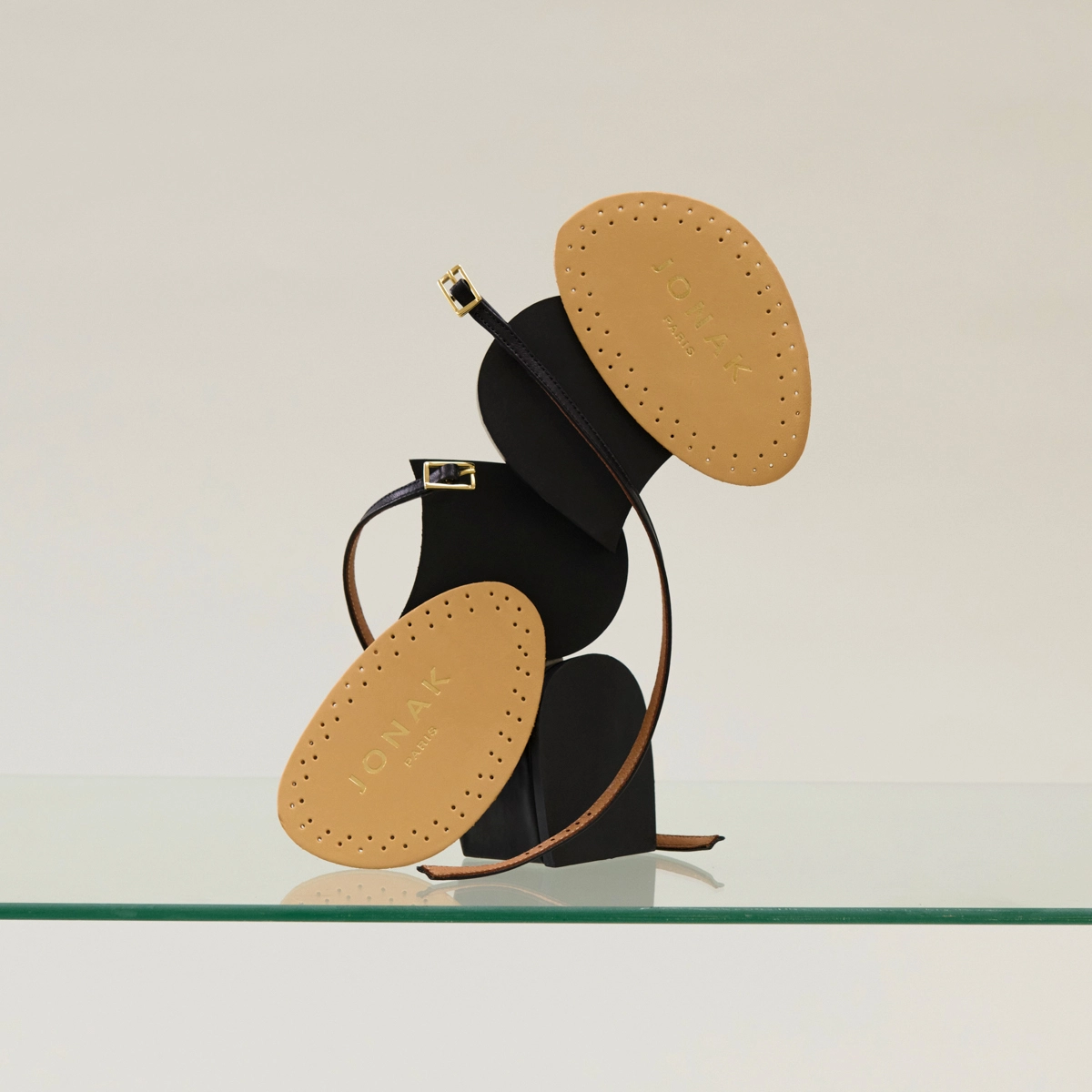
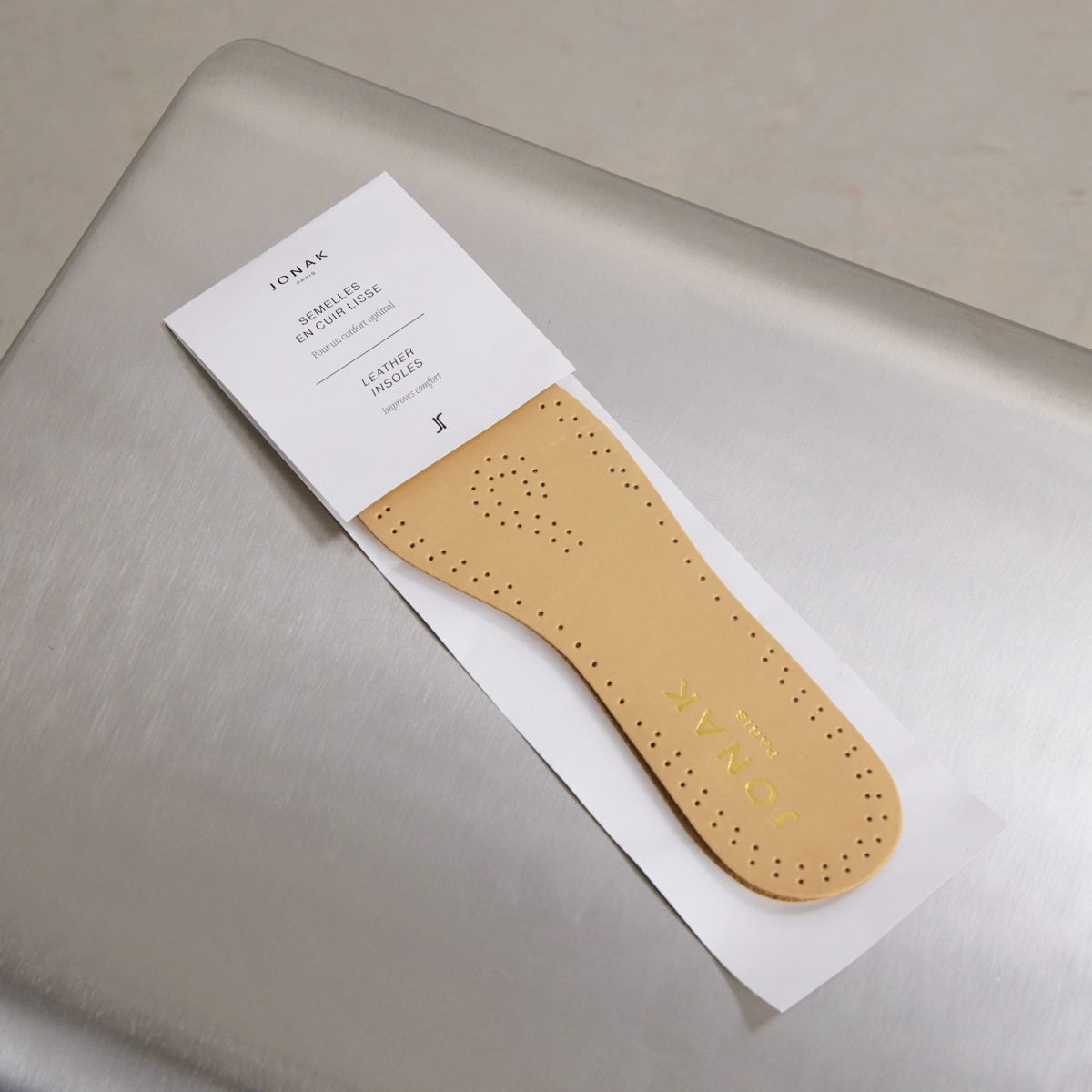
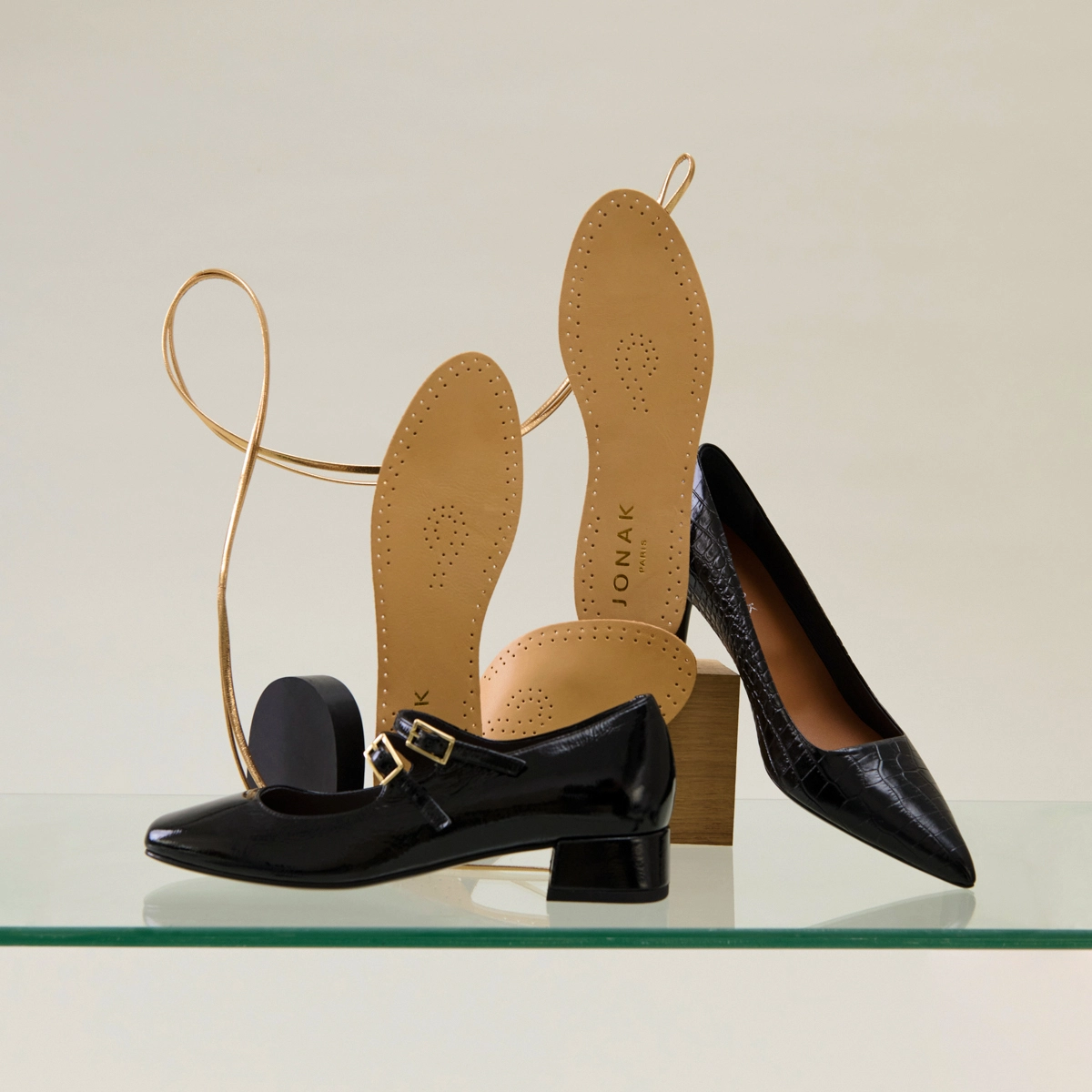
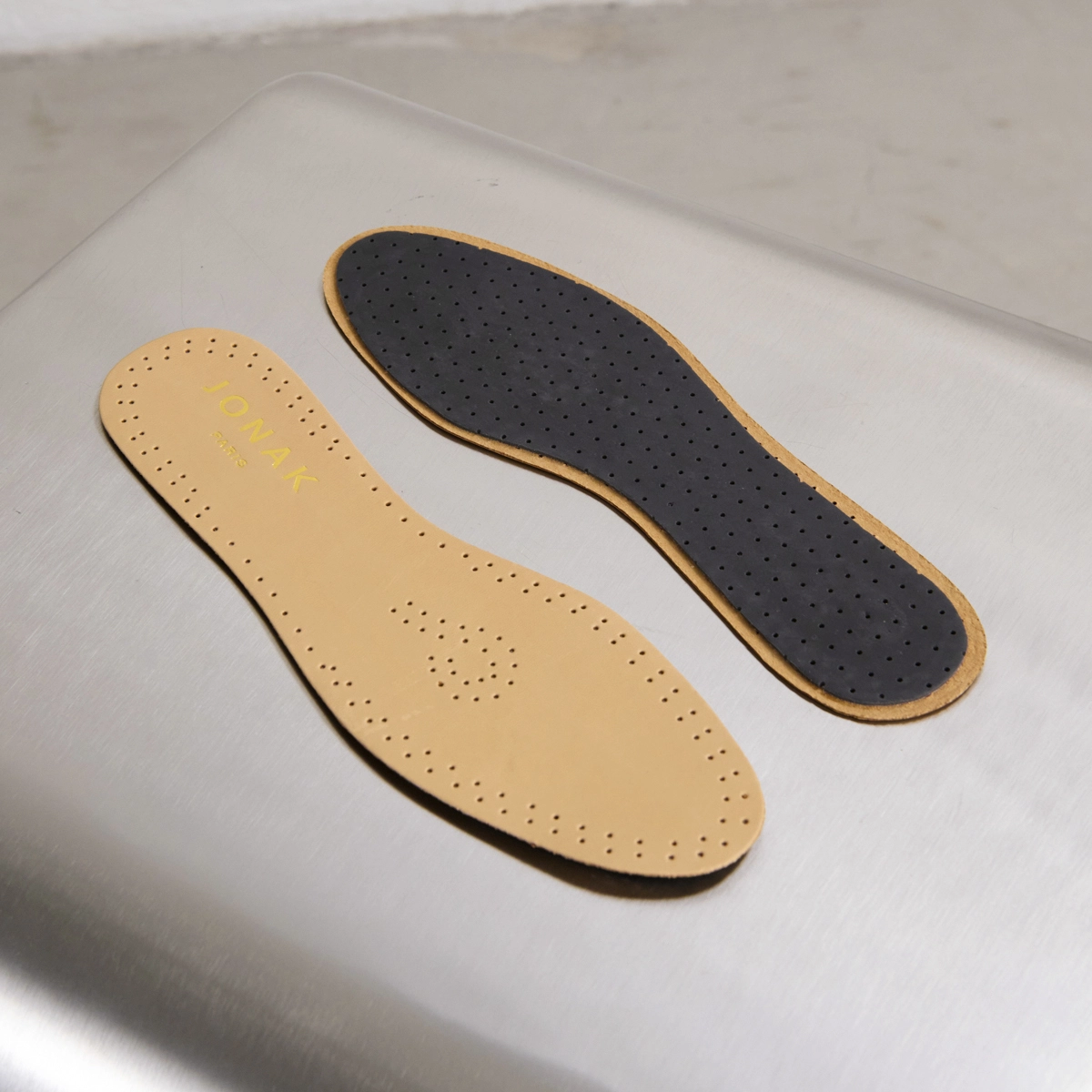
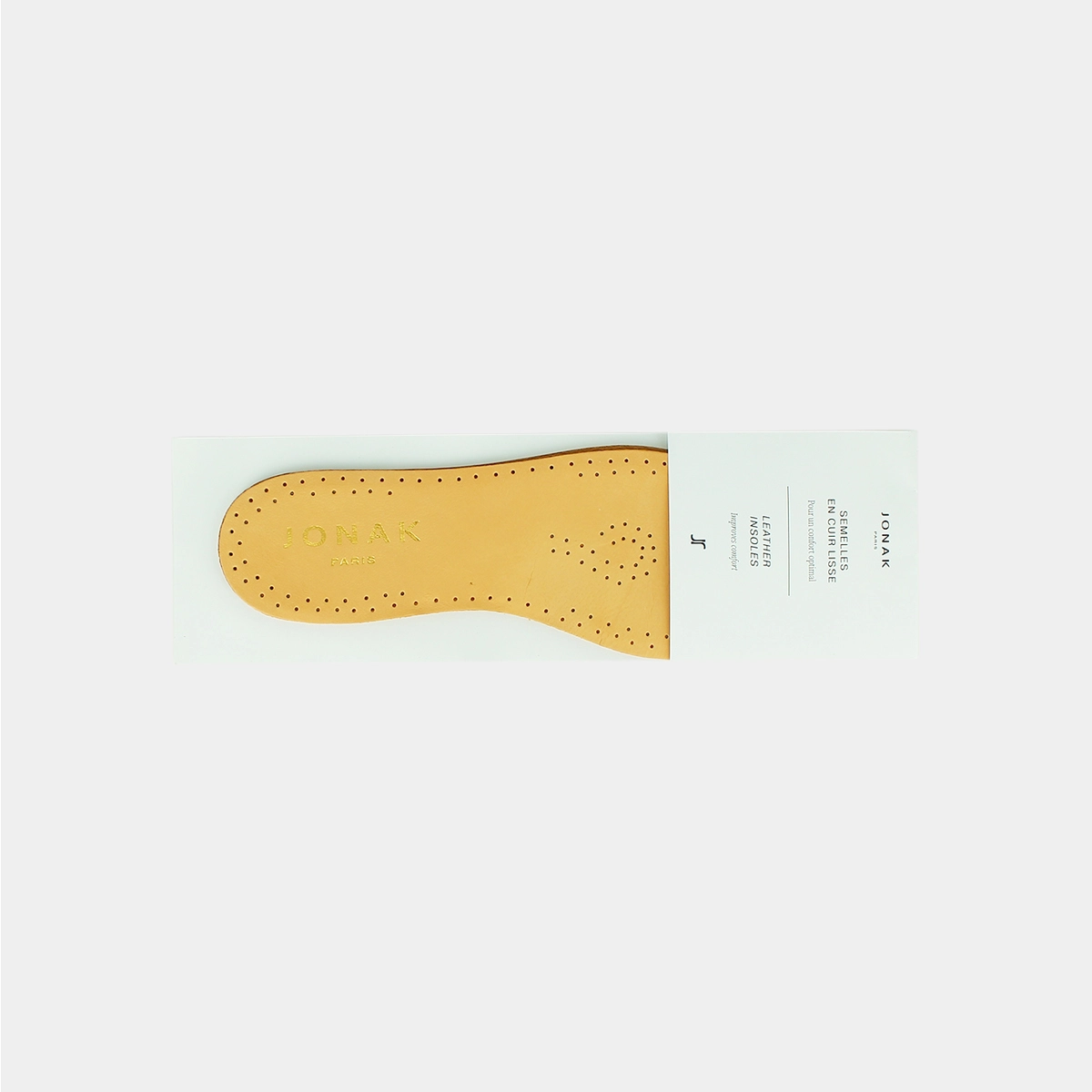
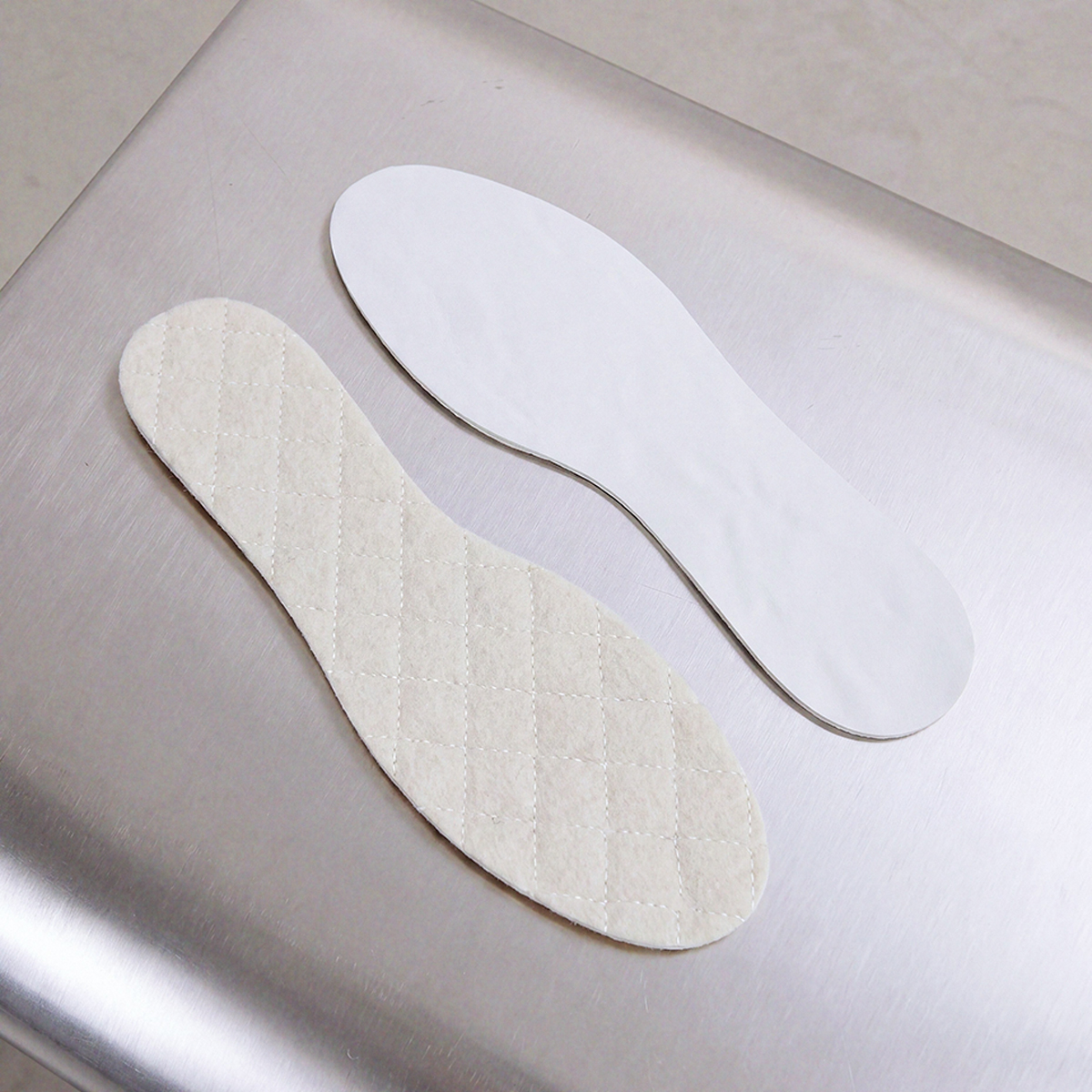
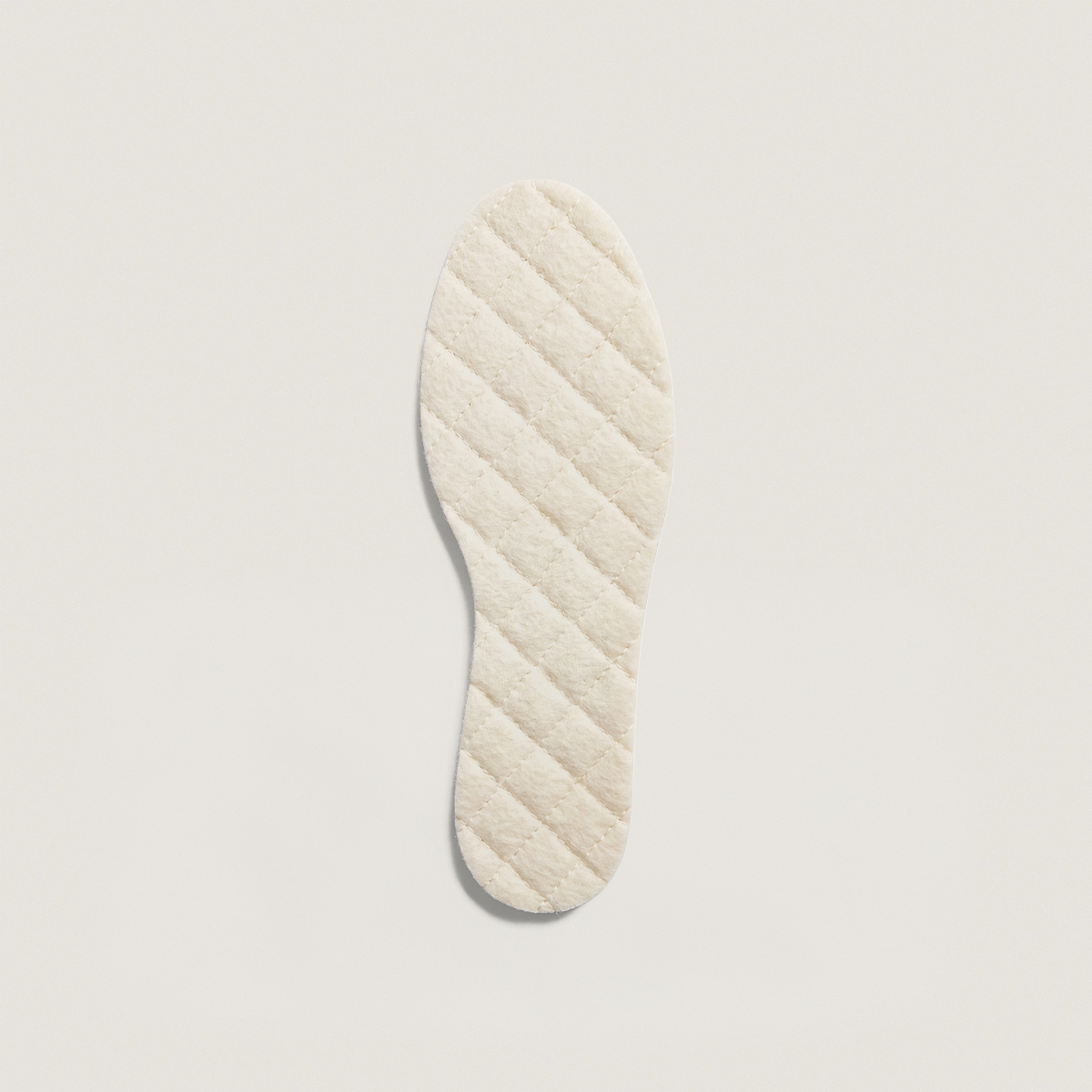
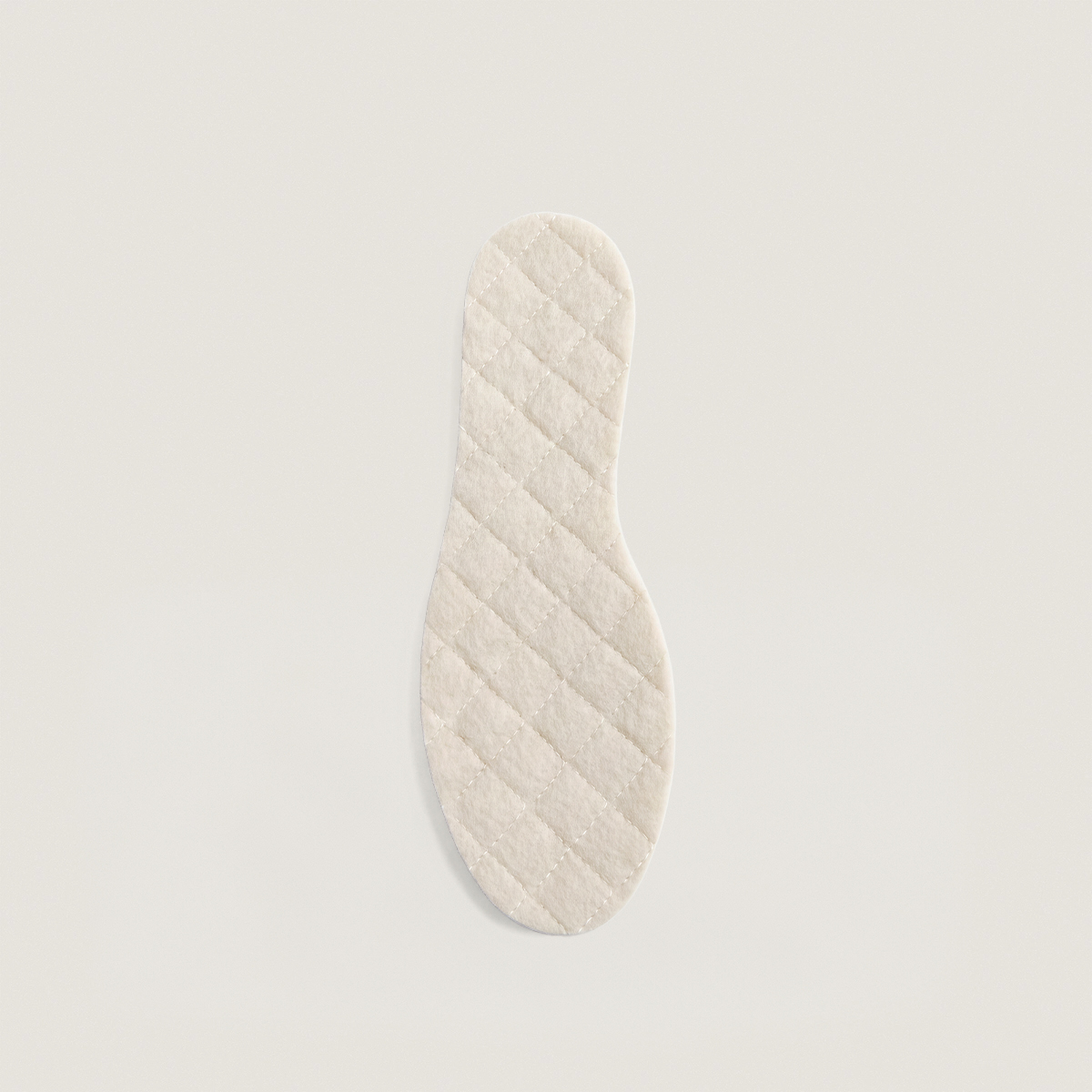
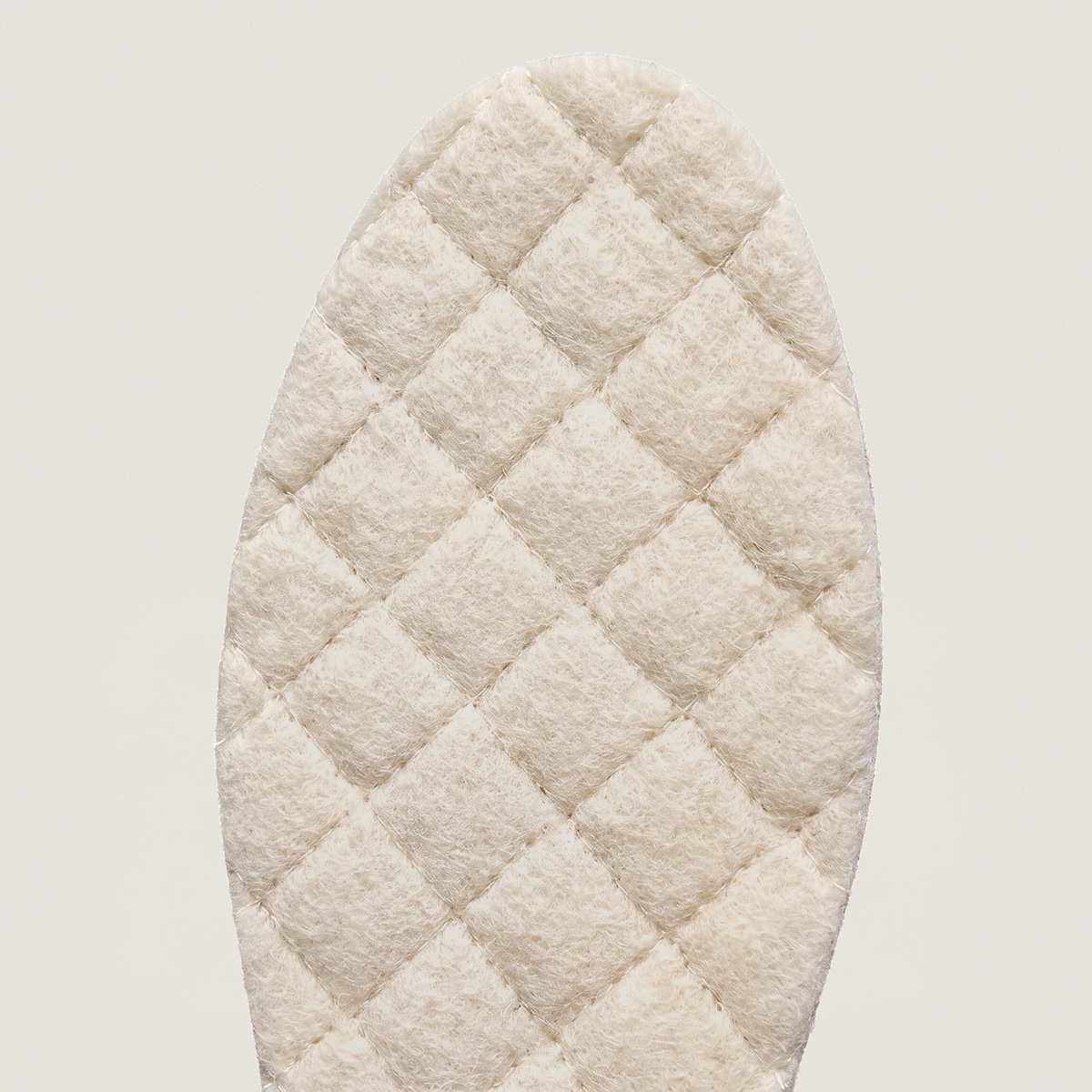
As boots are worn throughout the winter, often on wet sidewalks, fitting them with anti-slip pads from the outset is well worthwhile. They preserve the sole and offer better grip. Inside the boot, an insole or a removable half insole allows you to fine-tune the fit, and the wool version is ideal for the coldest days.
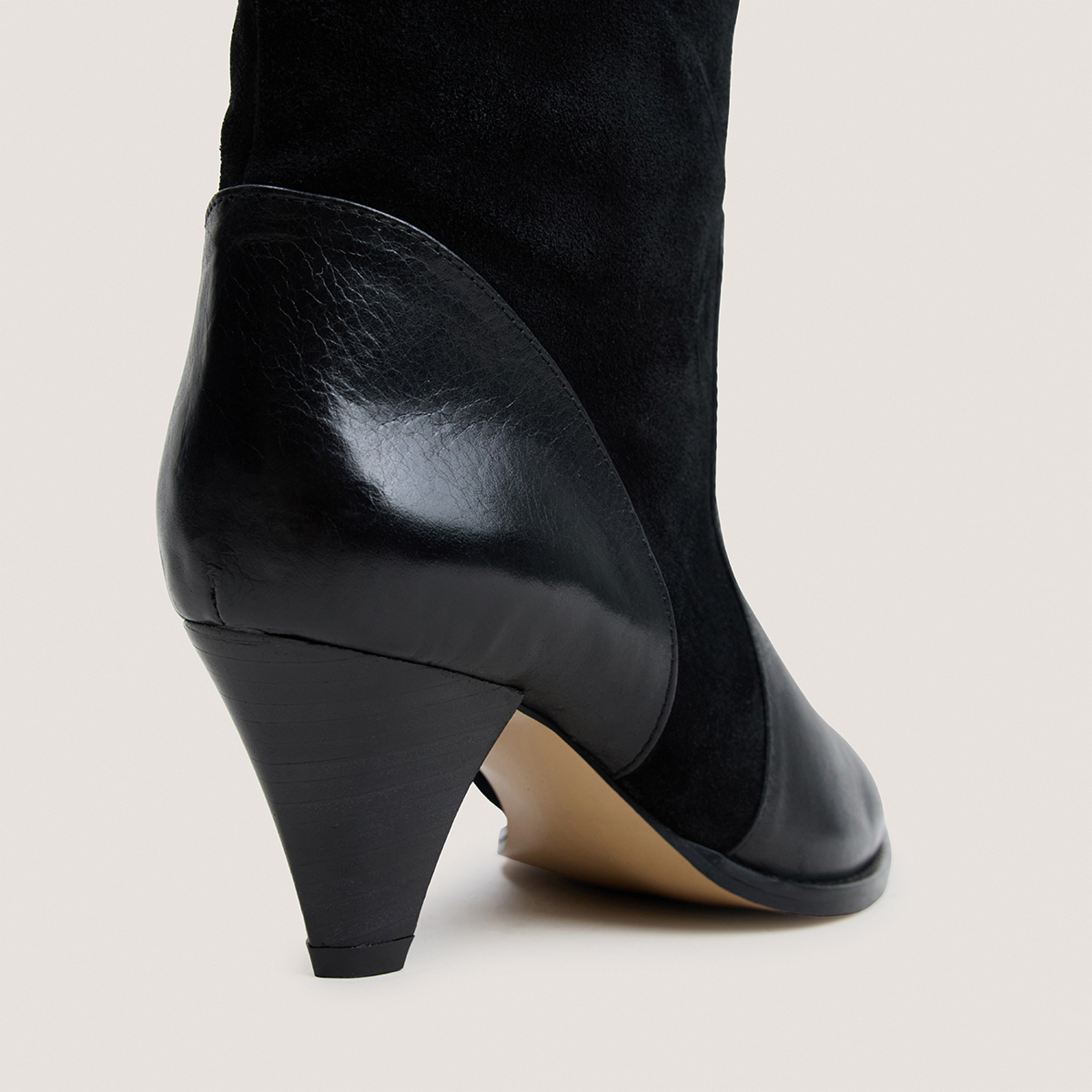
As for heels, rubber heel caps (the small pieces under the heel) are easy to replace. Laminated leather heels, made from thin layers of leather built up one on top of another, need a little extra care: sole protectors will keep them looking good for longer. Our cobbler workshop in our Paris stores can take care of all of these repairs, as well as resoling. It can also replace a zipper or adjust the height of your boots to suit you. Outside Paris, your local cobbler will be happy to help.
Choosing the right material is the first step to caring for your boots. Whichever pair you choose, a few simple habits and the right products will keep it looking its best from one season to the next. All that remains is to find the pair that suits you in our boot collection.
{{searchStr}}
{{products.length}} Result {{products.length}} Results
Vues
3
4
-
Filters
See the {{products.length}} products
See {{initPageSize}} items by page
{{searchStr}}
{{products.length}} Result {{products.length}} Results
No results were found for your search
- Some advice to help you:
- Search for general terms then use the filter options
- Check for spelling mistakes
- Use the catalog reference number (SKU) when searching for a specific item (ex: 12345).
- If your search is unsuccessful you can contact us or visit one of our stores.




loading